


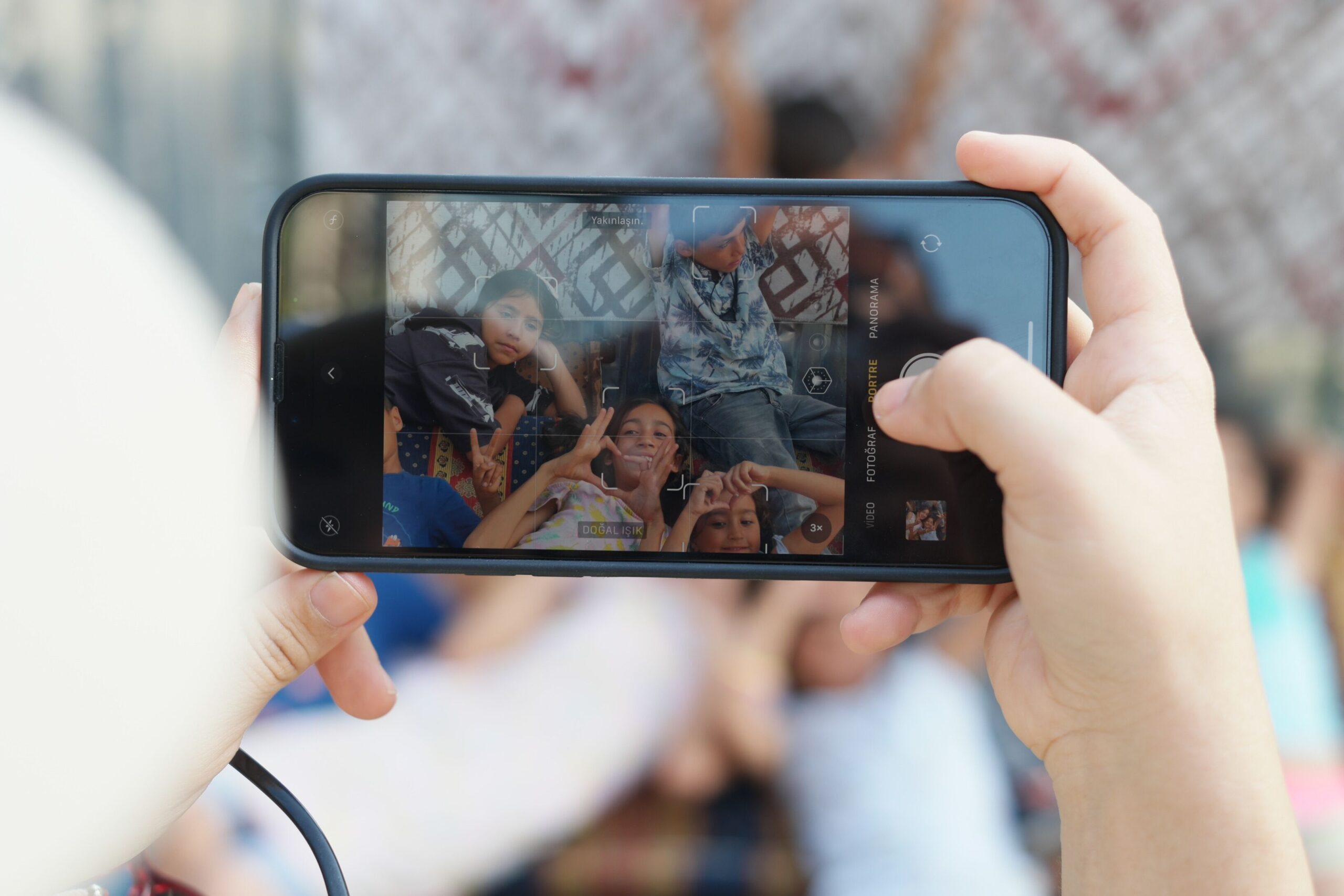
SCROLL through social media today and it is almost impossible to miss content featuring children.
They are everywhere across Instagram, Threads, TikTok and Facebook: dancing to a trending song, unboxing a new toy, acting out a comedy skit, or simply going about their day with parents at home or a teacher in the classroom.
Family photos and videos once stayed in private albums. Today, they are shared with the world as entertainment. Some children have become “kid influencers” with thousands, even millions, of followers, while their images generate sponsorships, endorsements and income.
This shift has created genuine opportunities for creativity, but it also raises difficult questions. How does constant online exposure affect a child’s privacy and development? What happens when childhood itself becomes part of the attention economy?
Malaysia is no exception. Videos of children switching effortlessly between languages, helping around the house or doing something endearingly funny regularly go viral. Alongside that popularity, however, concerns about privacy, safety and children’s digital footprints have grown.
This practice, known as sharenting, refers to parents, caregivers or other adults regularly posting details, photos or videos of children online.
A nationwide study involving 720 Malaysian parents and adults by researchers from Universiti Malaya found that 47.4% of parents had never heard the term before taking part in the study, despite already practising it.
More importantly, the research found that ethical sharing habits, such as asking a child’s permission where appropriate, avoiding sensitive content and checking who could view each post, were the strongest predictor of children’s reported well-being, even more than parents’ general awareness of online safety.
For now, Malaysia has no specific laws governing children’s participation in digital content, leaving most decisions to individual families.
Why children become content
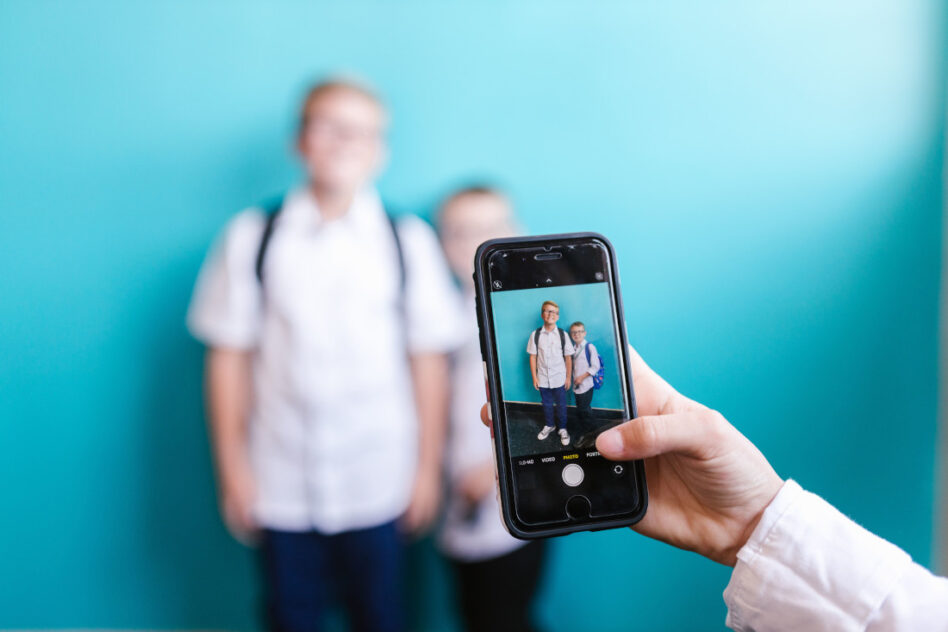
Children appear online for many reasons, and the choice is not always theirs.
Parents often want to preserve precious memories, join a viral trend or share joyful family moments. Social media has effectively become the new family photo album, except today’s audience often extends far beyond relatives and friends.
Teachers sometimes feature students in personal content unrelated to school, while children can also appear unintentionally in other people’s videos at public events or sports matches. Some creators deliberately film children’s reactions because they know such content attracts views.
The same Universiti Malaya study helps explain why the cycle continues. Among parents surveyed, 63.1% said posts featuring their children attracted more likes, comments and shares than their other posts.
Among adults without children, 41.8% reported the same pattern. The more attention a child’s content receives, the stronger the temptation to post again.
When privacy and safety are at stake
What appears harmless can carry lasting consequences.
Once a photo or video is uploaded, it can be copied, redistributed and remain online indefinitely.
Small details, such as a school uniform or the family home in the background, can unintentionally reveal personal information. Overseas cases have even shown children’s images being misused on inappropriate websites.
There is also the question of identity. Children who grow up constantly appearing online inherit a digital footprint created before they were old enough to understand or consent. What seems amusing at age three may become embarrassing years later.
The emotional effects deserve equal attention. When children are regularly praised or criticised online, they may begin measuring their self-worth through other people’s reactions.
For those whose online presence becomes commercialised, the pressures can resemble those faced by child performers, but without comparable legal safeguards.
These risks lead to an important question: what does developmental psychology tell us about what sharenting does to children, and how can parents balance sharing joyful moments with protecting their child’s future?
The authors are Senior Lecturers at the Department of Educational Psychology and Counselling, Faculty of Education, Universiti Malaya.
The views expressed are solely of the author and do not necessarily reflect those of MMKtT.
- Focus Malaysia.

No comments:
Post a Comment
Note: Only a member of this blog may post a comment.