


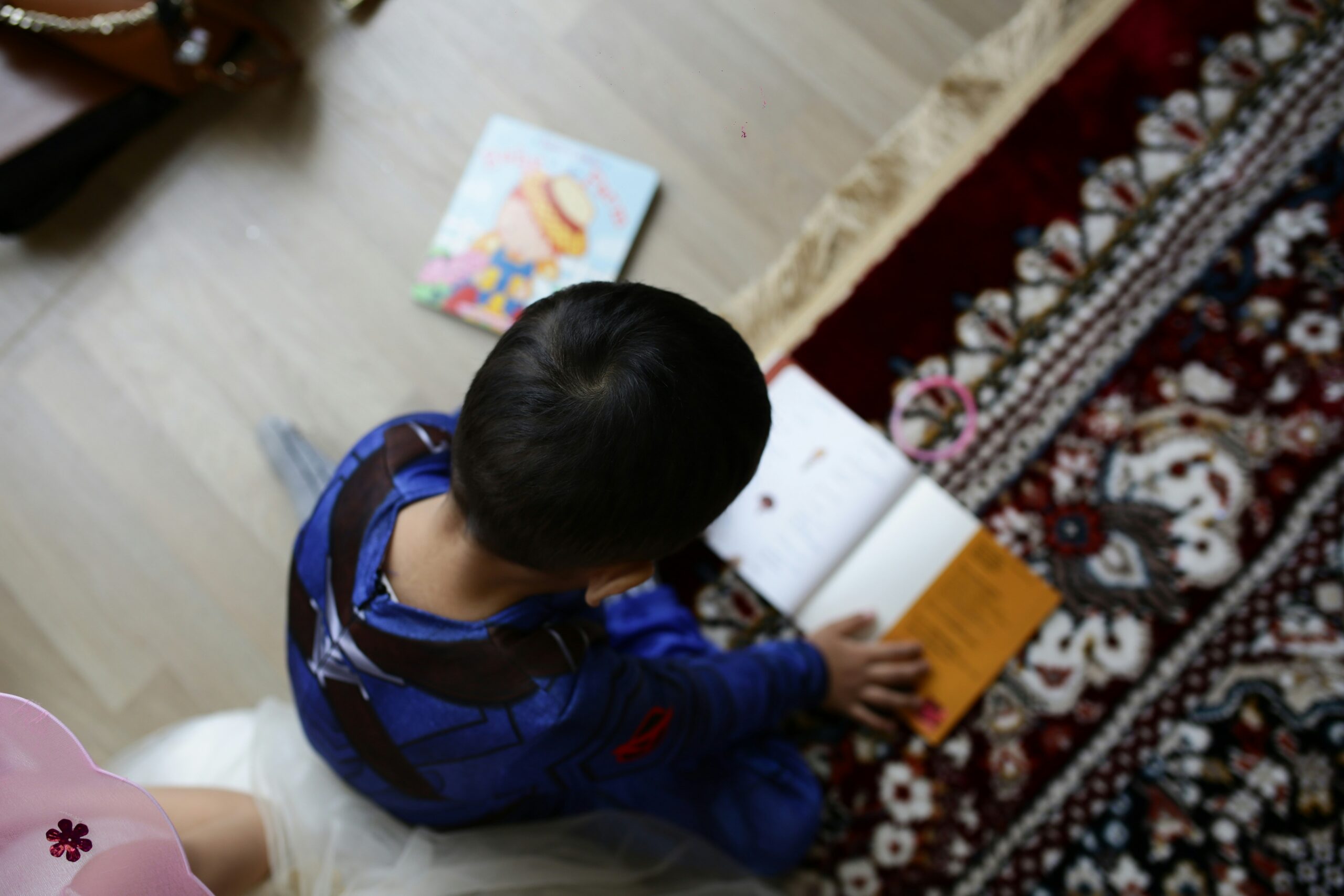
YEARS ago, while teaching a class of six-year-olds in a kindergarten, one girl stayed on my mind. She had attended the kindergarten since the age of four, yet after three years she was still struggling to read. She was often described as “lazy” and a “slow learner”.
As her teacher, those labels never seemed to fit. She was trying, but reading remained unusually difficult for her. At the time, I had never heard of dyslexia.
During a conversation with a close friend, I described what I had observed. My friend asked a simple question: “Could she have dyslexia?”
That question changed everything.
I began reading about dyslexia and realised many of its characteristics matched what I had been seeing. After discussing my concerns with the principal, we encouraged her parents to seek an assessment from Persatuan Dyslexia Malaysia. She was subsequently identified as having dyslexia.
About a year later, I met her mother again. She told me her daughter was reading confidently and preparing to return to mainstream schooling.
I have never forgotten that child.
Her experience taught me how easily a persistent learning difficulty can be mistaken for laziness, low ability or a lack of effort.
That memory comes back whenever I look at Malaysia’s literacy challenges today.
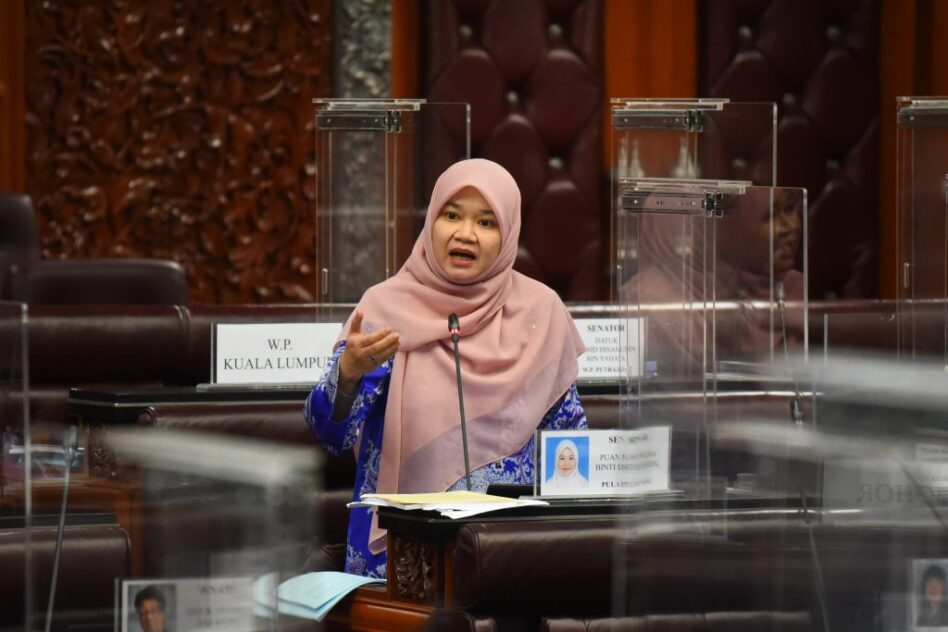
In a written Dewan Rakyat reply on 12 March 2024, the Education Ministry reported that, as of Dec 18, 2023, 154,853 students from Form One to Form Five were at Tahap Penguasaan 1 or 2 in Bahasa Melayu within its reporting on students who had yet to master basic reading, writing and numeracy skills.
That figure does not mean these students have dyslexia. Reading difficulties can arise from interrupted learning, language exposure, attendance, teaching experiences and many other factors.
But it raises an important question: among students whose reading difficulties persist despite years of schooling and intervention, could some have an underlying learning difficulty that has never been recognised?
International evidence points to a broader literacy challenge. According to PISA 2022, only 42% of Malaysian 15-year-olds achieved Level 2 or above in reading, compared with an OECD average of 74%.
This suggests that many Malaysian students struggle with the increasingly complex reading demands they face as they progress through school.
Recent Malaysian research makes the issue of identification even more significant.
A 2026 study involving 2,410 secondary-school students across five states examined a dyslexia screening instrument and highlighted concerns about late-diagnosed, misdiagnosed and late-emerging dyslexia.
A related study published in PLOS ONE found that some cases among secondary-school students may remain unidentified because screening tools for older students have been limited.
By secondary school, the demands of learning change dramatically. Texts become longer, vocabulary more specialised, instructions more complex, and assessments increasingly rely on independent reading and written responses.
For students with unidentified reading difficulties, repeated struggles can gradually affect academic performance, confidence and willingness to participate.
The problem may not be a lack of ability or effort. It may be that the underlying barrier has never been properly recognised or supported.
This is why the response cannot simply be more remedial reading classes.

Malaysia needs a clearer identification, intervention and referral pathway across both primary and secondary education.
Students with persistent reading difficulties should receive targeted support, have their progress carefully monitored, and be referred for further assessment when difficulties continue despite appropriate intervention. Screening should guide further investigation, not become a diagnosis in itself.
Teachers are central to this process.
They are not expected to diagnose dyslexia, nor should they be. But they need enough knowledge to recognise when a student’s pattern of difficulty may warrant closer attention and referral.
I know this because I was once the teacher who did not know what dyslexia was.
What helped that six-year-old was not that I had the answer immediately. It was that I questioned the label of “lazy”, looked more carefully at what she was experiencing and sought the right help.
If thousands of young people are reaching secondary school with significant literacy difficulties, we should ask not only why they have fallen behind, but whether their needs were recognised early enough and whether there was a clear path to the support they needed.
The author, Dr Faizanah Abdul Alim Sidique is a Senior Lecturer at the Faculty of Education, Universiti Malaya.
The views expressed are solely of the author and do not necessarily reflect those of MMKtT
- Focus Malaysia.

No comments:
Post a Comment
Note: Only a member of this blog may post a comment.