


MALAYSIA should make climate solidarity a principle of its foreign policy.
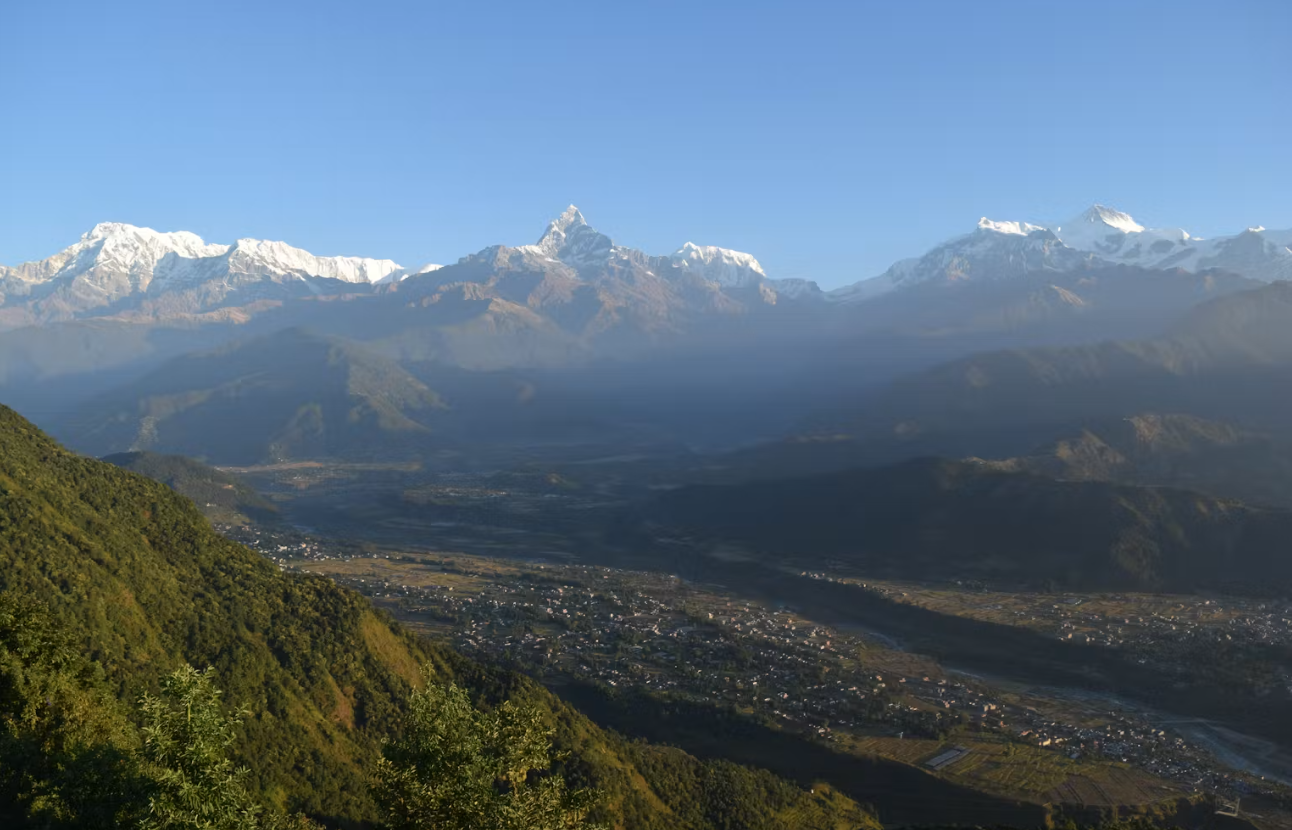
The devastating glacier disaster in Nepal should prompt Malaysia to look beyond the immediate tragedy and ask a larger question: what responsibility do countries have towards neighbours facing environmental disasters that recognise no political boundaries?
In his latest column in The Indian Express, Shashi Tharoor argues that India, China and Nepal must cooperate more closely in managing their shared Himalayan ecosystem.
His point is simple but profound: glaciers, rivers, atmospheric currents and geological systems do not recognise international borders, yet governments continue to manage them largely within those borders.
Nepal’s renewed calls for stronger real-time sharing of glacier, river and hazard information expose a deeper lesson. Climate information is not merely scientific data. It is a humanitarian resource.
Information saves lives
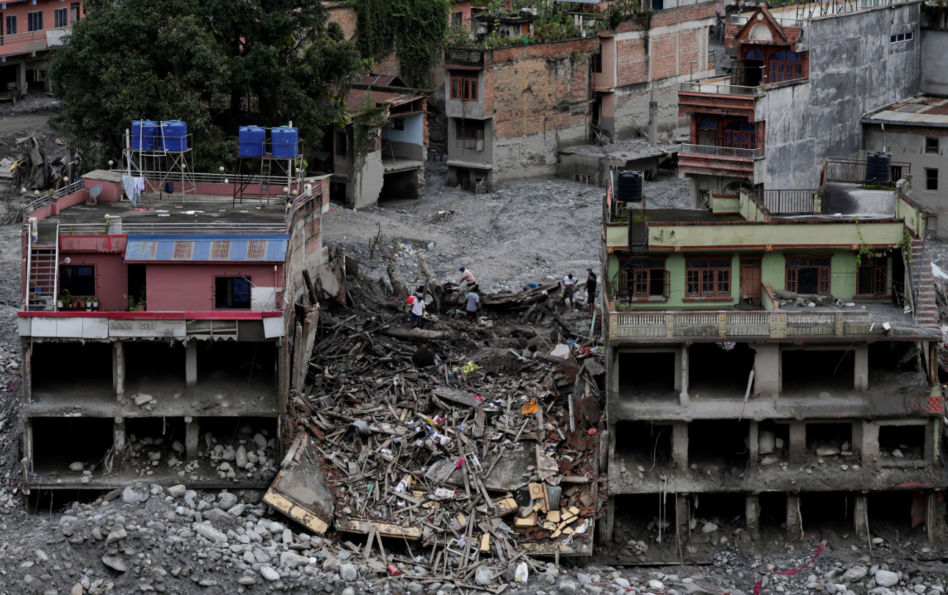
The most important lesson from Nepal is that disaster assistance should not begin after disaster strikes.
Satellite observations, rainfall measurements, river-level monitoring, weather forecasts, seismic sensors, artificial intelligence-based modelling and early-warning systems can give communities precious time to evacuate.
Information may not stop a glacier from collapsing or a flood from occurring. But it can save lives.
Whatever the competing explanations over cross-border information sharing, the broader principle remains clear: environmental information should be exchanged systematically, continuously and independently of political tensions.
This is where Malaysia can make a constructive international contribution.
An ASEAN early-warning network
Malaysia should champion an ASEAN Regional Environmental Early-Warning and Data-Sharing Network linking meteorological, hydrological, satellite, environmental and disaster-management agencies across the region.
The principle should be straightforward: no community should be denied life-saving environmental information simply because the threat originated across an international border.
Nor would this represent an entirely new direction for Malaysia.
The country has long experienced the consequences of transboundary haze. In July 2026, Malaysia proposed science diplomacy and a sustainable haze fund to strengthen cooperation under the ASEAN Agreement on Transboundary Haze Pollution.
More recently, Indonesia allowed Malaysian agencies to enter its airspace for cloud-seeding operations to help mitigate regional haze, demonstrating that environmental cooperation is possible while fully respecting national sovereignty.
The same spirit should apply to floods, droughts, forest fires, biodiversity loss, marine pollution and extreme weather.
Building on what already works
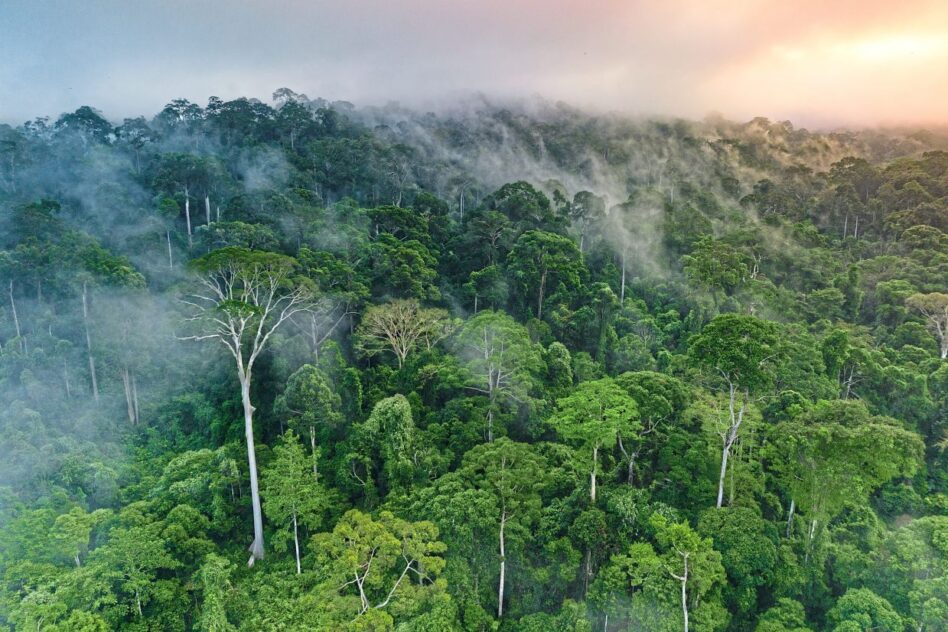
Malaysia already has another valuable example: the Heart of Borneo initiative involving Malaysia, Indonesia and Brunei.
The forests of Borneo function as one interconnected ecological system. Wildlife, rivers and watersheds do not stop at political boundaries, making cooperation essential for conservation and sustainable land use.
Malaysia could build on that experience by proposing shared ASEAN environmental databases covering forest-fire hotspots, rainfall and river levels, deforestation monitoring, biodiversity corridors, air quality and climate-risk mapping, with rapid access for neighbouring countries and, where appropriate, researchers and vulnerable communities.
There is also a diplomatic opportunity here.
Malaysia does not need to choose sides in geopolitical rivalries to become a stronger voice for climate cooperation. Environmental diplomacy offers rare common ground where countries with broader disagreements can still work together scientifically.
Malaysia’s Thirteenth Malaysia Plan for 2026–2030 already places greater emphasis on climate resilience. The next step is to extend that thinking beyond our borders.
Malaysia could propose that ASEAN establish a standing mechanism requiring member states to automatically share critical environmental information whenever agreed thresholds are reached, whether from unusually high upstream rainfall, major forest-fire outbreaks or dangerous coastal conditions.
Regular joint exercises involving meteorological agencies, disaster-management authorities, scientists and rescue organisations would help ensure those systems work when they are needed most.
The objective is not to surrender sovereignty. It is to use sovereignty responsibly when nature itself has already crossed the border.
Countries with advanced scientific and technological capabilities have a responsibility to share them with more vulnerable neighbours.
Climate justice cannot remain confined to debates about historical carbon emissions. It must also mean helping vulnerable societies adapt to dangers they did little to create.
The Himalayas may be thousands of kilometres away.
The lesson, however, is close to home.
When ecosystems cross borders, information must cross them too.
KT Maran is a Focus Malaysia viewer.
The views expressed are solely of the author and do not necessarily reflect those of MMKtT
- Focus Malaysia.

No comments:
Post a Comment
Note: Only a member of this blog may post a comment.