


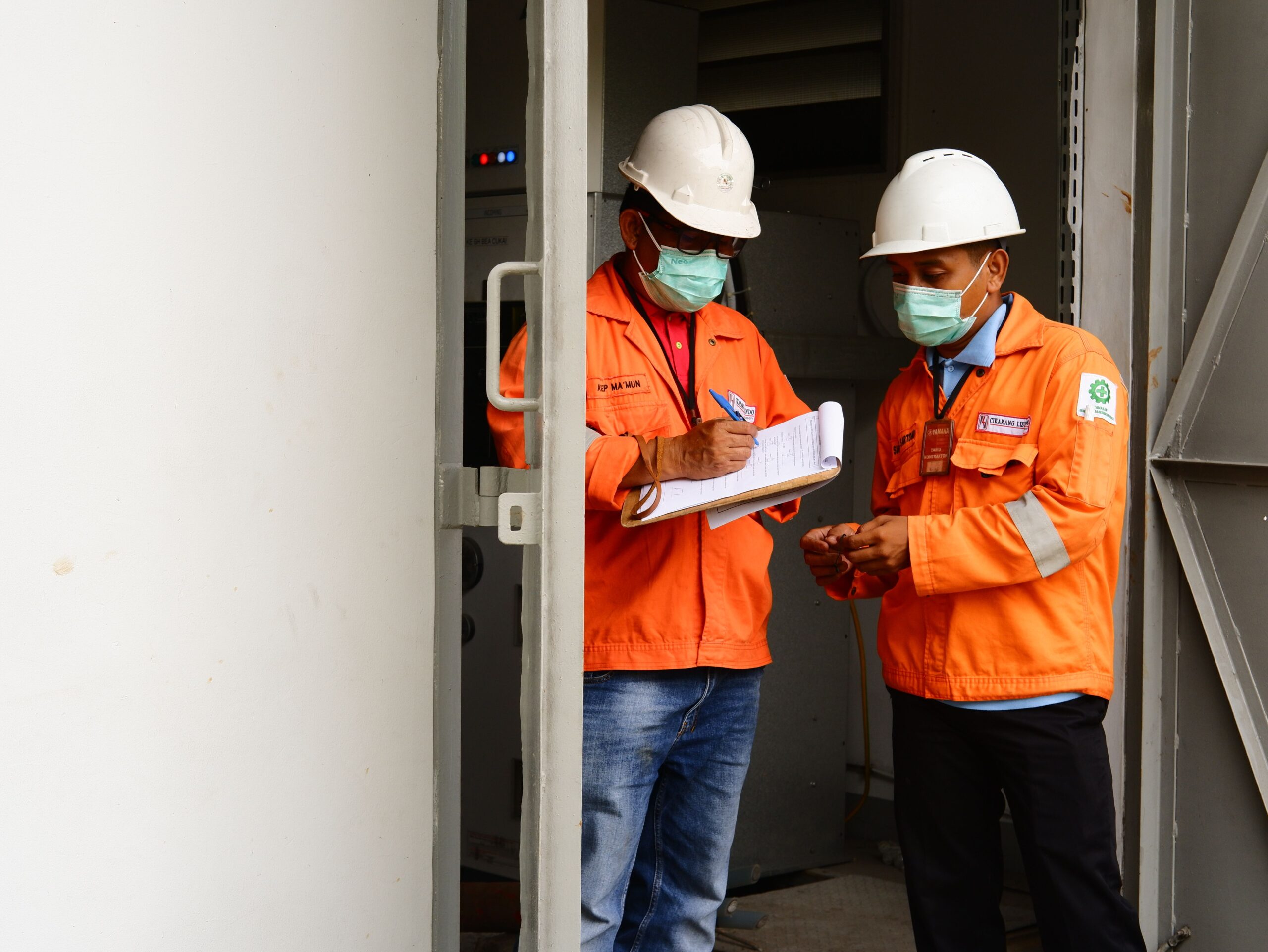
WALK into a small workshop, warehouse or family-run business in Malaysia, and the owner will likely tell you that safety matters. You may see a safety policy on the wall, warning signs and fire extinguishers around the premises.
These measures are important, but they do not necessarily show whether workplace risks are being identified and addressed before someone gets hurt.
That is where the Occupational Safety and Health (OSH) Coordinator can make a real difference.
Under Section 29A of Malaysia’s Occupational Safety and Health Act 1994, employers with five or more employees must appoint an OSH Coordinator if they are not required to have a Safety and Health Officer.
For many small and medium enterprises (SMEs), this provides a practical way to strengthen workplace safety without maintaining a full-time OSH department.
In many SMEs, safety responsibilities are added to the workload of a supervisor, administrative executive or another employee. That is not a problem in itself.
In fact, someone who already understands the workplace often has an advantage because they know how work is done, where hazards are likely to emerge and how employees respond to safety issues.
After completing training recognised by the Department of Occupational Safety and Health (DOSH) Malaysia, that employee gains the knowledge needed to coordinate workplace safety more effectively.
The greater challenge begins after the appointment.
From my engagement with SMEs across Malaysia, employers are constantly balancing production targets, customer expectations, rising costs and limited manpower.
Under those pressures, safety can become reactive instead of preventive, receiving greater attention only after an incident or when an inspection is expected.
Appointing an OSH Coordinator is therefore only the starting point. The coordinator also needs enough time, authority and resources to carry out the role effectively.
An effective coordinator connects management’s responsibilities with employees’ daily experiences.
The role includes identifying hazards, coordinating risk assessments, organising workplace inspections, monitoring corrective actions and bringing safety concerns to management’s attention. Just as importantly, employees gain someone they can approach to report hazards and near misses.
Consider a damaged electrical socket, an unguarded machine, a blocked emergency exit or chemicals stored without proper control. During a busy working day, these may seem like minor operational issues.
Left unresolved, however, they can become serious incidents. Someone needs to notice the problem, ensure it is reported and follow through until it is fixed.
This is where an OSH Coordinator creates real value.
For that value to materialise, management support must be visible. Coordinators need access to decision-makers and sufficient time to inspect the workplace, speak with employees and follow up on safety issues.
If every recommendation is dismissed as too expensive or inconvenient, the role quickly loses credibility. Employees may also conclude that reporting hazards is not worth the effort.
Building an effective safety culture does not require an expensive management system.
Smaller businesses can achieve meaningful progress through practical measures such as maintaining a simple hazard register, conducting regular workplace inspections, holding brief safety discussions and assigning clear responsibility for corrective actions.
The quality of a safety system should not be measured by the thickness of its files. It should be measured by whether risks are understood and addressed before someone gets injured.
There is also a compelling business case for treating the role seriously. A workplace incident affects far more than the injured employee.
It can interrupt operations, damage equipment, delay customer orders and place additional pressure on an already stretched workforce. For many SMEs, even one serious incident can disrupt business continuity.
Near misses, recurring minor injuries, unsafe shortcuts and repeated equipment defects should not be viewed in isolation. Together, they often signal weaknesses in how work is planned, supervised and controlled.
A capable OSH Coordinator helps management recognise these warning signs before they develop into more serious consequences.
The coordinator cannot carry this responsibility alone. Appointing an employee does not transfer the employer’s legal or moral obligations.
Management must provide resources, supervisors must reinforce safe work practices and employees must follow procedures and report hazards. The coordinator helps bring these efforts together.
Malaysia’s OSH Coordinator requirement offers SMEs more than another compliance obligation. It provides a practical foundation for preventing workplace accidents before they happen.
For SME owners, the more important question is no longer, “Have we appointed an OSH Coordinator?” It is, “Have we given that person what they need to make our workplace safer?”
The difference between those two questions is the difference between compliance on paper and prevention in practice.
Dr Khairul Hafezad Abdullah is Senior Lecturer in Occupational Safety and Health Management, School of Business Management, Universiti Utara Malaysia.
The views expressed are solely of the author and do not necessarily reflect those of MMKtT.
- Focus Malaysia.

No comments:
Post a Comment
Note: Only a member of this blog may post a comment.