


Something unusual is happening in global markets. Investors are no longer just reacting to interest rates or economic data. They are reacting to politics.
In recent days, a wave of selling has swept across American assets, from the US dollar to Wall Street stocks and even US government bonds. This phenomenon is now widely referred to as the “Sell America” trade.
At its core, this is about confidence. When investors lose confidence in a country’s leadership, policy direction and global role, they reduce exposure. That is exactly what is unfolding now.
Rising geopolitical tension and aggressive trade signals from Washington have unsettled markets that once treated American assets as the safest place to park money.
The latest trigger came from renewed tariff threats and confrontational foreign policy rhetoric, including pressure on long-standing allies in Europe.
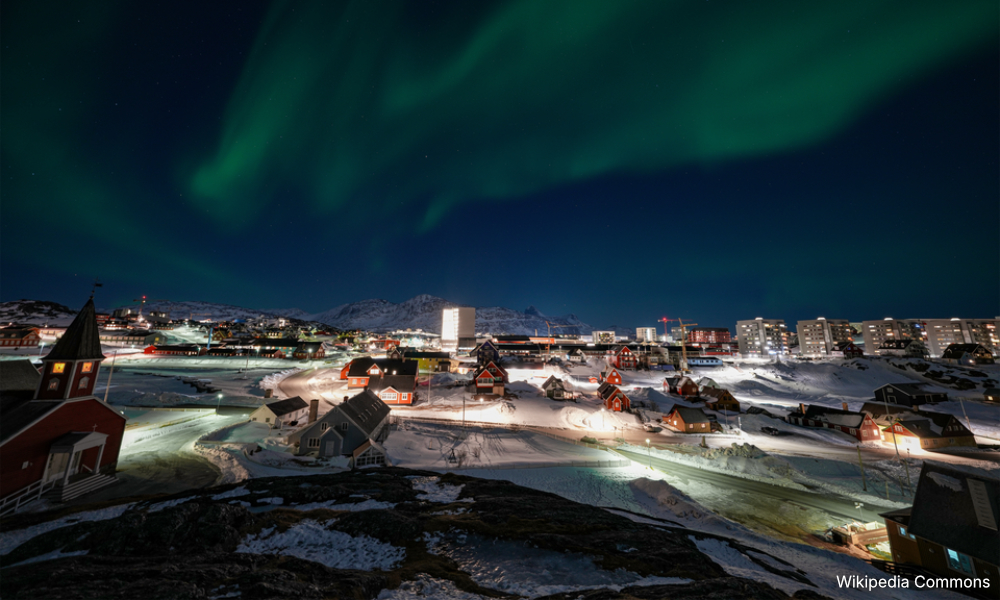
Remarks linked to Greenland and trade penalties sent a signal that diplomatic relationships could once again be treated as bargaining chips. For markets, this kind of uncertainty is costly.
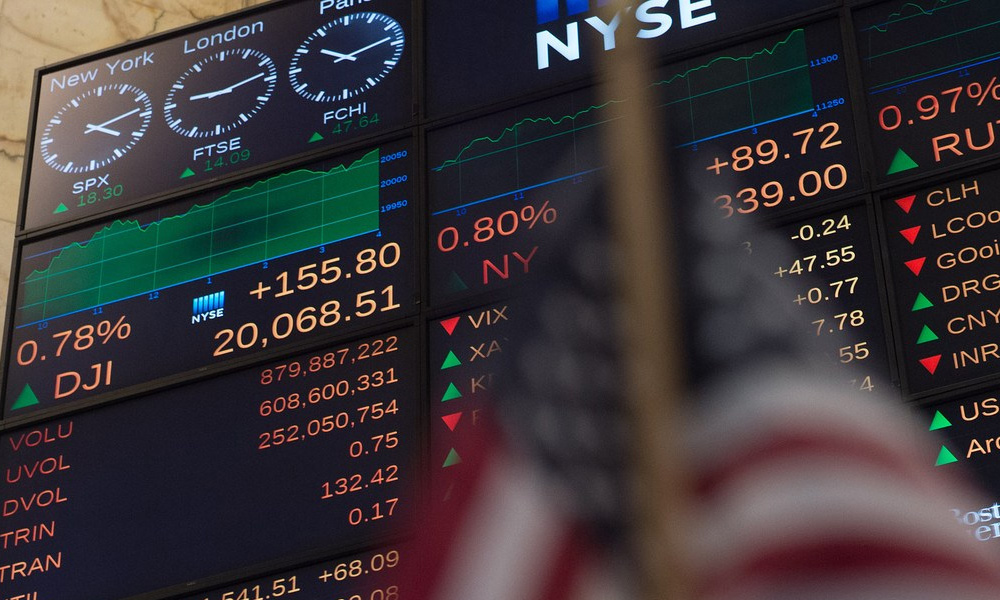
The reaction was swift. The US dollar index fell sharply in a single session, marking its weakest performance in several weeks. Against the euro and the Swiss franc, the dollar lost more than one percent.
US stock markets slid to their lowest level in a month. At the same time, yields on US Treasury bonds rose, a sign that investors were selling even the assets traditionally viewed as safe havens.
This combination is important. When stocks fall, bonds usually rise. When bonds fall too, it suggests something deeper is happening. Investors are not just shifting between assets. They are pulling away from an entire market.
Impact on Asia
The effects did not stop in the US. Asia felt the shock as well, particularly Japan. The yen weakened sharply as investors reacted to rising Japanese government bond yields, fiscal worries, and political uncertainty ahead of a surprise election.
Even though the Bank of Japan is expected to keep its policy unchanged, markets are nervous about the future direction. In times like these, uncertainty spreads quickly across borders.
What makes this episode different is that it is not driven by a sudden economic collapse or a financial crisis. It is driven by perception.
Markets are questioning whether the US can still be relied upon as a stable anchor in an increasingly fragile global system.
This is where the bigger picture comes in. The “Sell America” trade is not just a short-term reaction. It reflects a growing narrative that US policy direction is unpredictable, that trade conflicts could return, and that global cooperation is being replaced by confrontation.
Over time, this feeds into a broader trend known as de-dollarisation, where countries and investors slowly reduce reliance on the greenback.
If this pattern continues, the consequences will be significant. Dollar dominance would weaken gradually. Global market volatility would increase.
Diversification is a must
Countries like Malaysia would need to reassess how they manage foreign reserves, currency exposure, and capital flows. Diversification would no longer be optional. It would be necessary.
For Malaysia, this moment is both a risk and an opportunity. A weaker dollar can ease imported inflation and support emerging market currencies.
However, sudden shifts in global capital can also be disruptive if not managed carefully. Strong fundamentals, policy clarity, and institutional credibility will matter more than ever.

What this episode ultimately shows is that financial power is not built on size alone. It rests on trust. Once trust begins to erode, even the largest markets can feel the pressure.
Investors do not wait for crises to confirm their fears. They move early.
The world is watching closely, not because the US is weak, but because uncertainty has returned to a place that markets once assumed was predictable.
And when predictability fades, money looks for safer ground. - Mkini
MAHATHIR MOHD RAIS is a former Federal Territories Bersatu and Perikatan Nasional secretary. He is now a PKR member.
The views expressed here are those of the author/contributor and do not necessarily represent the views of MMKtT.

No comments:
Post a Comment
Note: Only a member of this blog may post a comment.