


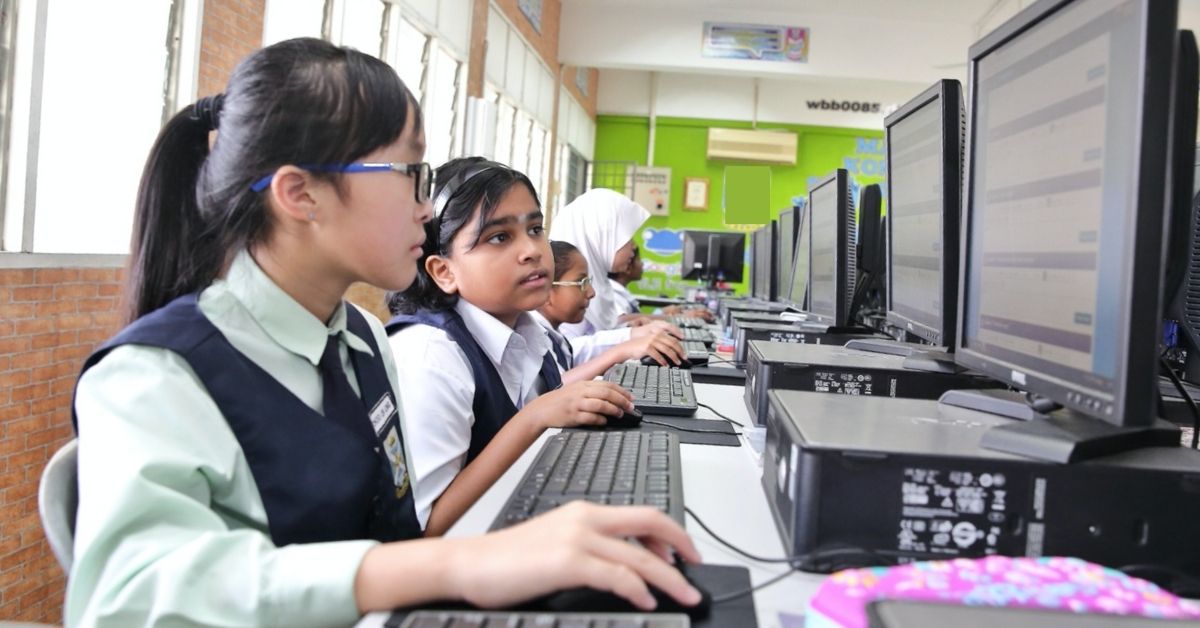
AS education systems worldwide accelerate their digital transformation, classrooms have become a key frontier for big technology firms.
A Sept 2025 Guardian analysis underscores how artificial intelligence, cloud platforms, and data-driven tools are no longer peripheral aids but central architects of how learning is delivered and assessed.
For Malaysia, this moment is especially consequential. The country is simultaneously pursuing modernisation, grappling with inequality, and defining its long-term human capital strategy.
Big tech’s growing presence in schools therefore presents not just a technical question, but a strategic and ethical one.
Malaysia’s push toward educational digitisation is neither new nor misguided. Initiatives such as 1BestariNet, the expansion of digital literacy curricula, and the introduction of coding in schools reflect a recognition that future competitiveness depends on technological fluency.
Properly deployed, digital tools can personalise learning, support overburdened teachers, and widen access to high-quality resources.
Yet the increasing reliance on platforms provided by global technology giants also risks outsourcing key elements of educational sovereignty to corporate actors whose incentives are not primarily pedagogical.

The Guardian piece highlights a crucial shift: big tech firms are no longer just vendors supplying software and hardware; they are shaping learning environments, assessment methods, and even curricular priorities.
Platforms operated by companies such as Google and Microsoft collect granular data on student behaviour, performance, and engagement.
In Malaysia, where regulatory capacity and digital governance frameworks are still evolving, this raises concerns about long-term dependence, data ownership, and the subtle commercialisation of education.
The question is not whether technology belongs in classrooms, but who ultimately controls its design, purpose, and outcomes.
One of the most pressing risks is the deepening of Malaysia’s digital divide. While urban students often enjoy high-speed internet, modern devices, and digitally confident teachers, many rural and remote communities—particularly in Sabah and Sarawak—continue to struggle with basic connectivity.
If advanced educational platforms assume constant internet access or costly devices, they may inadvertently widen existing inequalities. Big tech-driven solutions, if adopted uncritically, could privilege already-advantaged students while leaving others further behind.
Addressing this divide requires more than distributing tablets or laptops. It demands sustained investment in broadband infrastructure, locally appropriate technologies, and offline-capable learning systems.
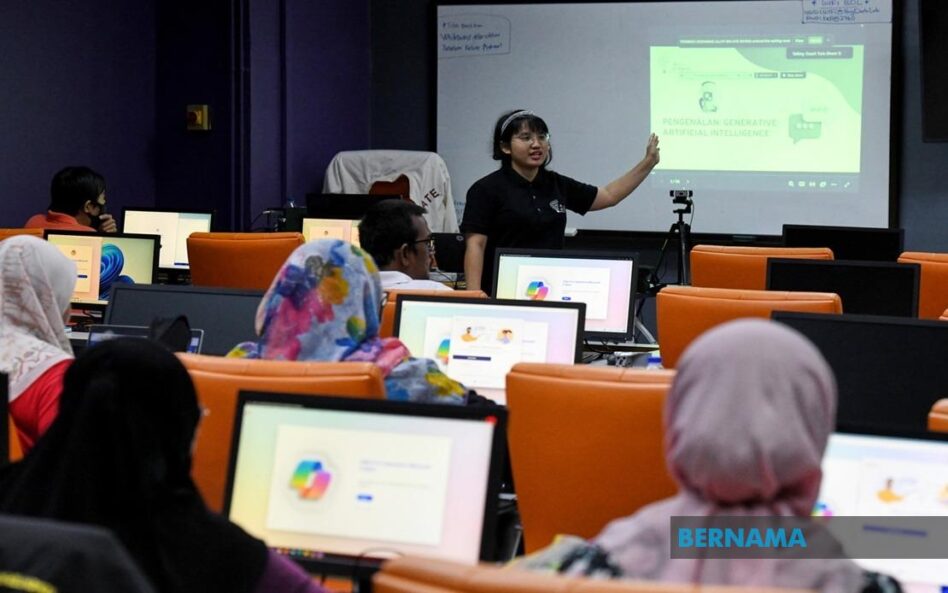
Equally important is policy coherence: digital education initiatives must be aligned with broader rural development and connectivity strategies. Without this, technological innovation risks becoming a symbol of progress rather than a driver of equitable outcomes.
Data governance represents another critical fault line. Educational data is uniquely sensitive, capturing not only academic performance but behavioural patterns, learning difficulties, and personal development trajectories.
Malaysia’s Personal Data Protection Act 2010 provides a foundation, but it was not designed with AI-driven education ecosystems in mind. As algorithms increasingly influence assessment and personalisation, the opacity of data use becomes a democratic concern. Who can access student data? For what purposes? And how long is it retained?
The Education Ministry must move beyond compliance-based regulation toward proactive stewardship. This includes mandating transparency from technology providers, limiting secondary commercial uses of educational data, and ensuring meaningful parental consent.
Just as importantly, Malaysia should invest in domestic expertise in educational technology and data ethics, reducing reliance on external actors for both tools and governance frameworks.
Teachers sit at the heart of this transformation, yet they are often treated as afterthoughts in digital reform. Technology is frequently framed as a solution to teacher shortages or uneven quality, but such narratives risk devaluing the human dimensions of education.
In Malaysia where teachers already manage large classes and administrative burdens, poorly implemented technology can add complexity rather than relief.
A more sustainable approach views technology as an enabler of professional judgement, not a substitute for it. This requires robust teacher training, not only in technical skills but in pedagogical integration—how to use digital tools to foster critical thinking, collaboration, and creativity.

Continuous professional development, especially for educators in rural schools, is essential if digital transformation is to empower rather than marginalize the teaching workforce.
Strategically, Malaysia must also reconsider its relationship with global technology firms. Collaboration with the private sector can drive innovation, but over-dependence risks locking the education system into proprietary ecosystems that are costly to exit and difficult to regulate.
Diversifying partners, supporting local edtech development, and insisting on interoperability standards can preserve national flexibility and align technological adoption with local values and priorities.
Ultimately, the role of big tech in Malaysian classrooms is not a binary choice between adoption and resistance. It is a question of governance, equity, and purpose. Technology should serve Malaysia’s educational goals, not redefine them.
The true measure of success will not be how advanced classroom tools appear, but whether they contribute to a more inclusive, thoughtful, and resilient generation of learners. Striking that balance is now one of the Education Ministry’s most consequential tasks.
R Paneir Selvam is the principal consultant of Arunachala Research & Consultancy Sdn Bhd (ARRESCON), a think tank specialising in strategic national and geopolitical matters.
The views expressed are solely of the author and do not necessarily reflect those of MMKtT.
- Focus Malaysia.

No comments:
Post a Comment
Note: Only a member of this blog may post a comment.