


Former MACC chief Latheefa Koya has raised doubts on Putrajaya's commitment to fighting systemic corruption in the country.
This followed a recent extensive report by Bloomberg about the ugly side of Bestinet - a Bangladesh migrant recruitment system that Malaysia adopted in 2015 and continued by the Anwar Ibrahim-led government in 2024 despite criticisms.
Taking to X, Latheefa (above) questioned the government for keeping silent about the Jan 23 article, which contained damning allegations against Malaysia and government officials.
"Where are all the big boasts about fighting corruption, cartels etc? It is a sickening, nauseating tale of the exploitation of desperate migrant workers, while political and business elites reap the benefits and profits.
"We now sound like one of those warlord-run, corrupt African states we often read about. Don’t even bother denying, we know it’s true - the migrant recruitment abuse in Malaysia has been known for a long time, and it damns us as a nation.
"But arising from this new expose, the big question is - why did the cabinet under Anwar renew Bestinet in 2024?
“And why has the Madani government closed its eyes to the loathsome trade in human beings that is the Bangladesh migrant recruitment system in Malaysia?" she asked.
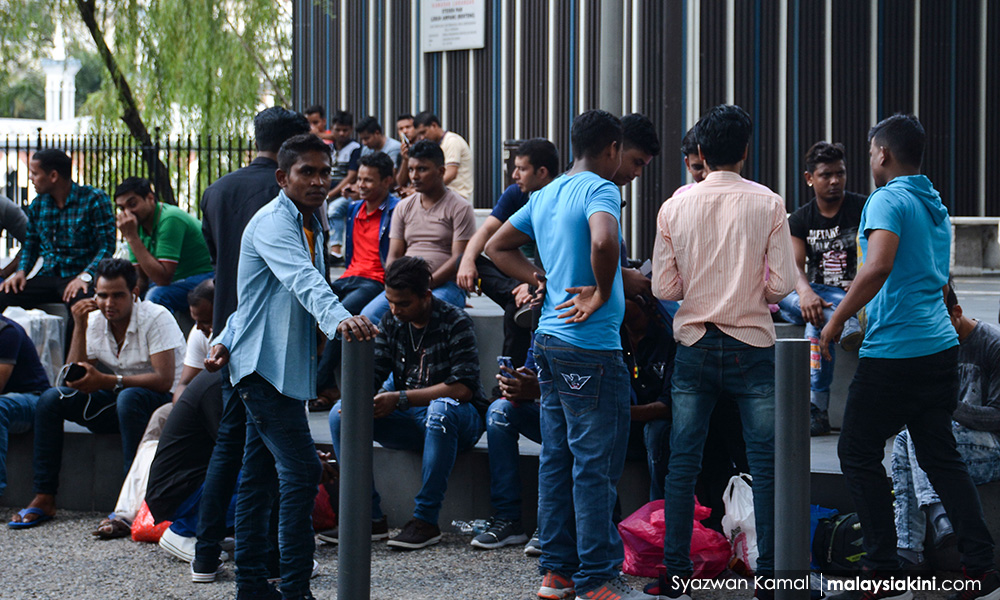
Titled “Everyone Gets A Cut, And Migrant Workers Pay The Price”, the article centred around the plight of Bangladeshi migrants who had to borrow a hefty amount of money so they could pay an alleged "syndicate fee" to work in Malaysia.
While migrant workers all over the world are facing the same problem of having to borrow money to get work, the article noted that Bangladeshis had to pay more than double compared to others after Putrajaya adopted a system introduced by Bestinet, which was founded by Aminul Islam, a Bangladeshi who has been naturalised as Malaysian.
Putrajaya's adoption of the system in 2015 also came with another arrangement that forced Bangladesh to route its workers through only 10 out of the country's over 1,000 agencies.
‘Syndicate fee’
According to Bloomberg, Amin and Deputy Prime Minister Ahmad Zahid Hamidi, who was then-home minister, had allegedly played key roles in this, but pointed out that Zahid had denied any involvement with Bestinet in 2018.
Back then, the system allegedly saw the 10 agencies unlawfully charging an additional fee called the "syndicate fee" on each migrant worker who wished to enter Malaysia.
Along with several other charges, the costs could skyrocket to as high as USD6,600 (RM25,000), which the International Labour Organisation described as more than twice what Bangladeshis paid before Bestinet got involved.
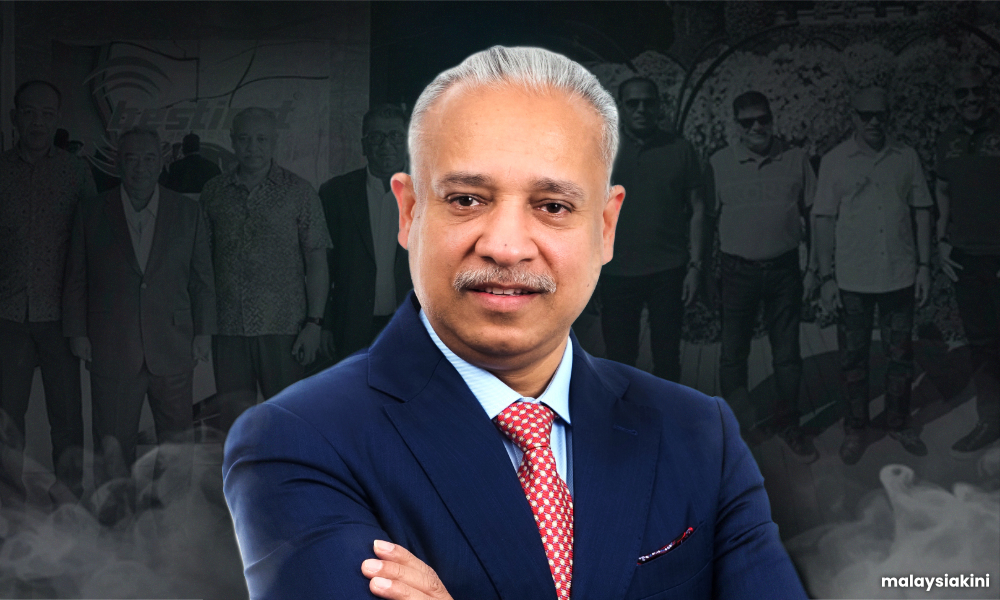
Bloomberg said more than a dozen of those it interviewed suggest that "figures in Malaysia’s ruling elite, including at the highest levels of government, are aware of the issues but don’t attempt to fix them because the recruitment fees line the pockets of everyone involved”.
For the record, Bestinet has long been dogged by controversy, starting from 2015, when the Foreign Worker Central Management System (FWCMS) it provided to the government was suspended from use amid claims that it won the deal through political connections, ostensibly from former home minister Azmi Khalid.
In a response at the time, Azmi said the deal was not signed yet and that it was only in the proof-of-concept stage.
Despite the initial suspension, the system was later reinstated and used by government agencies to process the hundreds of thousands of migrant workers entering Malaysia every year.
No formal contract
However, the Public Accounts Committee (PAC) and Auditor-General’s Department found there was never a formal contract between the government and Bestinet, which collected RM100 from each worker for the service.
PAC also found that the cabinet, in August 2015, agreed to put the FWCMS on trial mode, together with another system provided by another provider, called ePPAx.
ePPAx was built by Syarikat Ivy Matrix Sdn Bhd, which won a RM20 million Human Resources Ministry project through an open tender.
PAC found both the FWCMS and ePPAx served the same purpose of “processing (migrant workers) from the application stage to the end of employment and return to their sending country”.
Despite ePPAx’s development, the Home Ministry decided to use FWCMS instead. In 2018, the government issued an approval letter to Bestinet to develop, supply, provide, and maintain FWCMS for six years from April 1, 2018, to May 31, 2024.
On Dec 22, 2021, the Ismail Sabri Yaakob-led government agreed to use FWCMS exclusively but no formal contract was drawn up. Hamzah Zainudin was the home minister at the time.
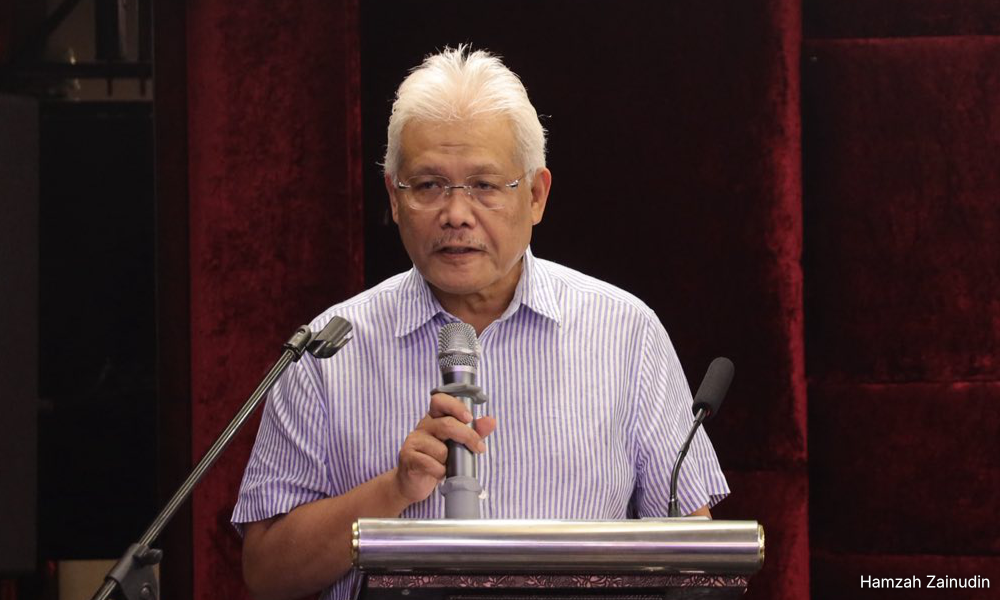
"This means that the government/Home Ministry has used the FWCMS system for approximately six years without a finalised contract, clearly violating the regulations set by the government," PAC said in a statement.
PAC also flagged other issues, including system vulnerabilities to hacking and potential fraud in migrant worker management.
Despite these issues, in June 2024, the cabinet agreed to extend Bestinet’s contract for another three years, but with improvements in governance. - Mkini

No comments:
Post a Comment
Note: Only a member of this blog may post a comment.