


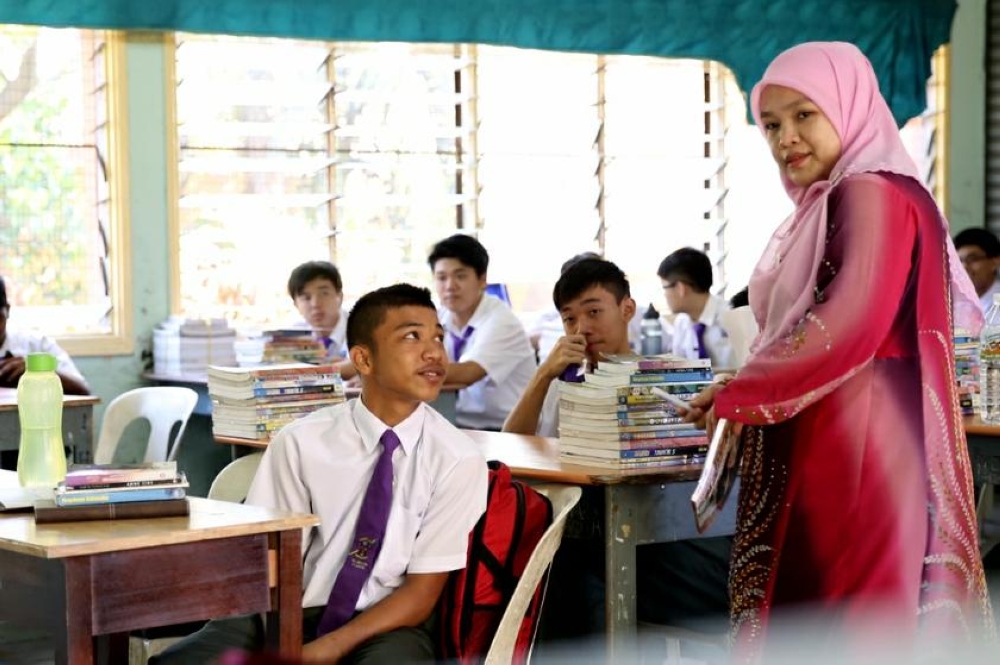
JUST last year, the incident in Bandar Utama where several teachers bravely tackled a boy armed with a knife sparked attention nationwide and elicited national admiration as the teachers’ instinctive response prevented a potentially tragic situation.
The teachers have acted swiftly, selflessly, and without hesitation, although a troubling question is looming among Malaysians: “Why are teachers in situations where they have never been trained or expected to handle? And what does such an incident mean for the other thousands of teachers who have watched it unfold and wondered what they would have done?”
Accordingly, teaching has frequently revolved around educating, guiding, and nurturing students, despite the actual role in numerous schools in the contemporary era extending beyond academic duties.
Particularly, when violence has erupted, teachers are adults at the forefront to respond and occasionally the first party to put their personal safety at risk.
While actions might be heroic, the situation has revealed that schools have largely depended on the goodwill, courage, and swift decision of educators in situations not expected from the teachers.
Across Malaysia, multiple teachers, especially women, who constitute the majority of the profession, have privately asked themselves difficult questions, including whether they should be the ones in that classroom and would they be criticised or even blamed if they froze, panicked, or chose not to confront a student holding a weapon?
The above thoughts—silent and uncomfortable—have reflected a growing fear that society has begun to anticipate teachers to assume roles that the teachers have neither been trained nor obligated to fulfil, which has created an enormous emotional burden on the teachers.
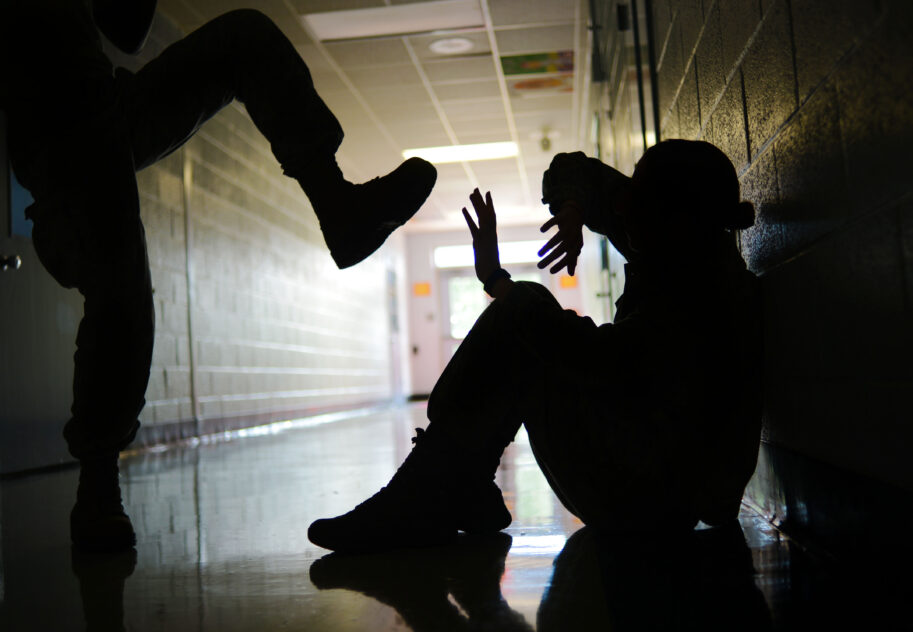
Although teen violence in schools is not new, teen violence has become more visible and unpredictable.
A fight in the corridor, a threat posed due to anger, or the presence of a weapon hidden in a bag are several examples of anxieties teachers were not accustomed to previously, and currently, the teachers are compelled to experience in daily obligations.
While an incident might not escalate into physical harm, the possibility remains, which has shaped how teachers walk into classrooms, observe student behaviours, and manage different conflicts.
The emotional impact of school violence is profound for educators, especially educators who have been directly involved in an incident, which might have rendered them to experience fear, guilt, shock, and lingering anxiety.
Moreover, certain teachers might replay the event repeatedly in their minds by imagining what could have been exacerbated, whereas other teachers have begun to be afraid of returning to the same environment where the danger has occurred, even for teachers who have only read relevant news.
Simultaneously, the teachers have begun to wonder whether the schools are adequately prepared, whether personal knowledge is sufficient to handle such situations, and whether they can realistically protect students without endangering their personal lives.
Hence, the consequences of the above unspoken pressure have disseminated throughout the teaching community, in which certain teachers have felt emotionally exhausted owing to the fear of potentially negative events afterwards.
Other teachers have also experienced role confusion and are unsure of the boundaries of personal responsibilities.
Furthermore, numerous teachers have grappled with moral distress and worried that they would be perceived as failures if they chose to protect themselves over students.
In the long term, the above feelings would lead to burnout, job dissatisfaction, and the intention to switch careers. Thus, safety is currently one of the critical factors discouraging experienced teachers from continuing in the current profession and younger graduates from entering the field.
Heroic teachers should never be treated as the sole solution to systemic problems. Despite teachers’ courage deserving gratitude, courage should not become the expectation.
Instead, the government should focus on how schools can become safer without relying on teachers to physically intervene in dangerous situations.
Schools should train security staff, conduct proper threat-assessment procedures, and implement emergency protocols that clearly define teachers’ obligations and actions.
In addition, teachers should have adequate access to training, which can assist in equipping teachers with practical and non-physical strategies for recognising early warning signs and de-escalating potentially dangerous situations.
The training is not aimed at converting teachers into security professionals. Instead, it should aid in boosting the confidence and clarity required to navigate crises more effectively without risking personal safety.
Additionally, emotional and psychological support should constantly be available for teachers who have experienced traumatic events, as mental well-being is as crucial as that of their students.
Most importantly, society should rethink the current expectations as teachers are not soldiers, police officers, or emergency responders. Teachers’ primary responsibility is to teach, nurture, and guide young individuals rather than physically confronting armed students.
When society implicitly expects heroism from teachers, teachers’ vulnerability and humanity would be neglected, as teachers also have personal families, children, and lives beyond school environments.
Dr Syarifah Maisarah Syed Alwi is a Senior Lecturer at the Faculty of Education, Universiti Malaya and a Clinical Psychologist.
The views expressed are solely of the author and do not necessarily reflect those of MMKtT
- Focus Malaysia.

No comments:
Post a Comment
Note: Only a member of this blog may post a comment.