


Malaysia’s food crisis is no longer a distant threat. It is already here, playing out in flooded farms, warming seas, and on the dinner plates of ordinary Malaysians.
Across the country, climate change is reshaping how food is grown, caught, and priced. Rising temperatures, erratic rainfall, floods, and droughts are placing unprecedented strain on Malaysia’s food system.
In December 2024, severe floods swept through Johor, Malacca, Perak, Kelantan, and Terengganu, destroying more than 100ha of farmland.
Within weeks, vegetable prices surged by 50 to 80 percent for everyday staples such as sawi, bayam, and kangkung.
Throughout 2025, food prices continued to rise steadily, typically by two to 3.3 percent depending on the state and month, becoming a major driver of Malaysia’s rising cost of living.

For low-income households, this was not merely inconvenient. It meant fewer vegetables on the table, reduced protein intake, and painful trade-offs between food, healthcare, and education.
For many families, it also increased the risk of malnutrition and long-term health problems.
But the crisis does not stop at our farms. It flows downstream, into our rivers, our coasts, and our seas.
Climate change effects are everywhere
Malaysia’s waters are warming, and they are warning us. During 2023 and 2024, rising sea temperatures driven by climate change and intensified by El Niño triggered harmful algal blooms and mass coral bleaching along Malaysian coastlines.
Fish deaths in Penang, shellfish advisories in Port Dickson, and harvesting bans in Malacca repeatedly disrupted seafood supply chains.
These events not only damaged marine ecosystems but also directly threatened livelihoods and national protein security.

Malaysia’s iconic ikan kembung, a staple for millions, has experienced erratic population declines over the past decade.
Even when stocks rebounded briefly in 2022, the fish were noticeably smaller and lighter, a biological signal of warming seas and stressed plankton systems.
For fisherfolk, this means longer trips, higher fuel costs, and lower returns. For consumers, it means higher prices and less reliable access to affordable protein.
Long-term studies now show clearly that rising sea levels and ocean temperatures are undermining fisheries sustainability, with consequences that will compound for decades if left unaddressed.
Divided approach unsustainable
Agriculture and fisheries are not separate crises; they are parts of the same system. The floods that flatten vegetable farms also carry sediment and nutrients into rivers and estuaries, fuelling algal blooms that devastate aquaculture cages and coastal fisheries.
The same heatwaves that wilt crops on land trigger coral bleaching at sea. What happens upstream rapidly becomes a disaster downstream.
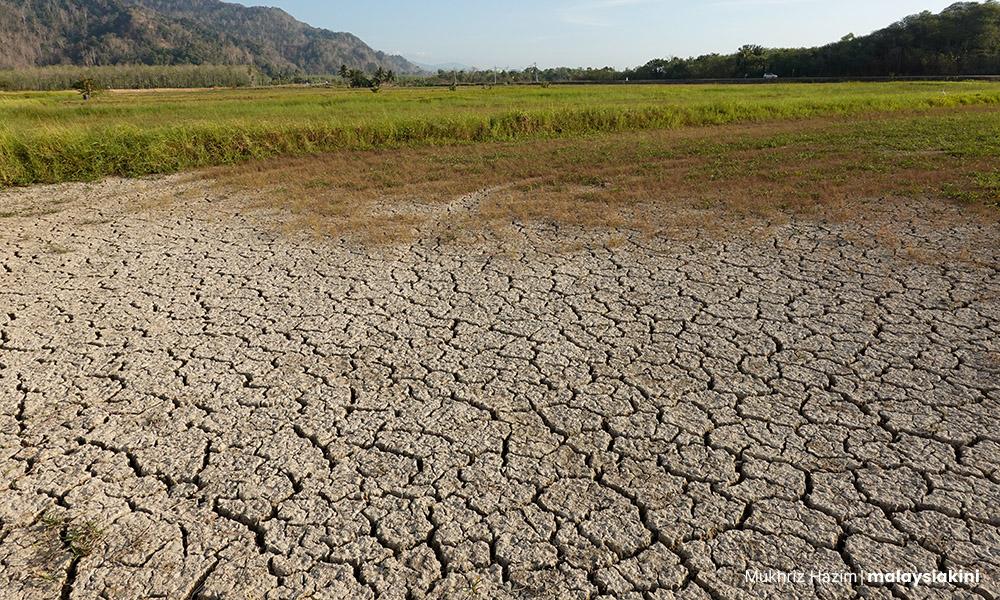
Yet as vulnerability rises across the entire food system, Malaysia’s response remains fragmented; agriculture managed here, fisheries there, biodiversity somewhere else. This divided approach is no longer tenable.
Malaysia’s agricultural productivity has struggled to keep pace with population growth, in part due to chronic underinvestment, even as climate impacts intensify.
At the regional level, food systems across Asean, on which Malaysia increasingly relies, are also under severe strain from climate variability.
Regional leaders have already sounded the alarm, calling for a rapid transition toward more resilient and sustainable agri-food systems.
Meanwhile, Malaysia’s agricultural contribution to GDP continues to decline relative to regional peers, increasing dependence on food imports.
Aquaculture, now supplying about 30 percent of Malaysia’s fish production, is expanding, but it too is increasingly vulnerable to heat stress, pollution, disease outbreaks, and harmful algal blooms.
A sector often promoted as the solution to declining wild fish stocks is itself being battered by climate shocks.
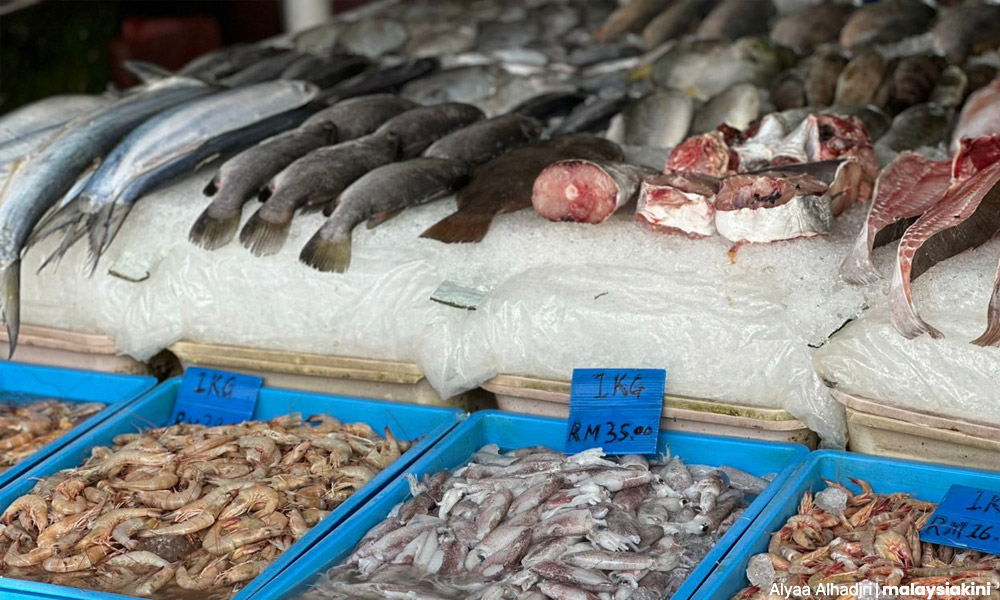
If left unchecked, these trends will deepen inequality, erode national food sovereignty, and undermine the livelihoods of farmers and fishers who often lack the resources to adapt to extreme weather.
Regional projections suggest Asean will face rising food demand as populations grow, making it even more urgent for Malaysia to strengthen domestic resilience.
What must Malaysia do?
First, climate-smart agriculture must be treated as critical national infrastructure. Flood-tolerant, drought-resistant, and heat-resilient crop varieties should be scaled up urgently.
Investments in precision farming, smart irrigation, soil and crop sensors, drone monitoring, and artificial intelligence-based yield forecasting can help farmers optimise water and nutrient use while reducing losses under climate stress.
Post-harvest losses, a major issue across Asean, must be cut through better cold-chain and storage infrastructure.
Urban and indoor farming, from vertical farms to rooftop gardens and community food hubs, can reduce dependence on climate-vulnerable rural supply chains.
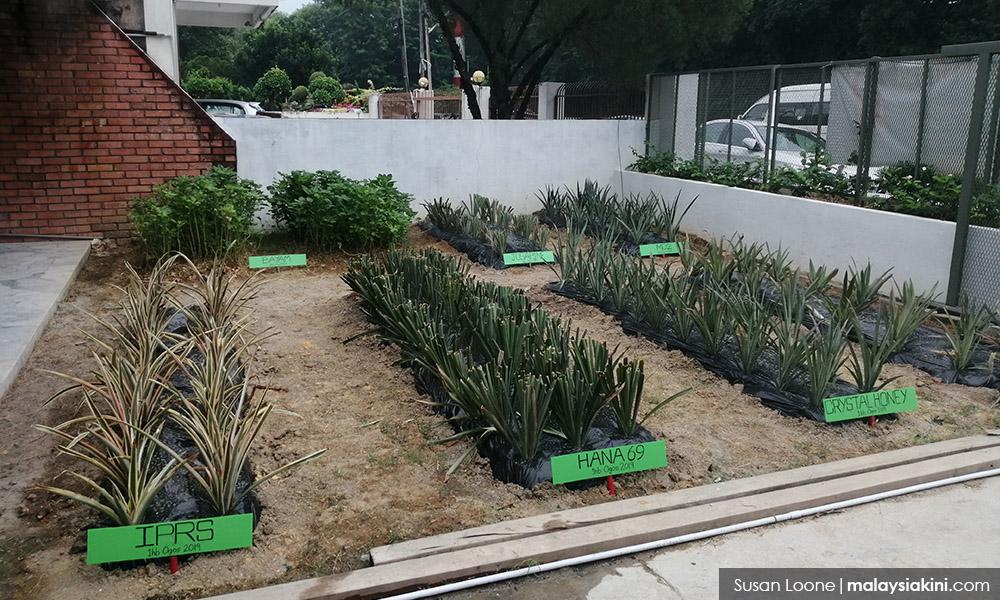
Second, rivers and coasts must be managed as one connected system. Restoring wetlands, buffer zones, and drainage systems can reduce nutrient runoff that fuels coastal algal blooms.
Integrated early-warning systems linking rainfall forecasts, river flows, and coastal water-quality monitoring are no longer optional; they are essential.
Third, fisheries management must be overhauled to reflect climate reality. Adaptive, ecosystem-based rules that account for warming seas, shifting species distributions, and coral decline are urgently needed.
Climate-linked changes in fish populations are already well documented, yet current management frameworks largely ignore them.
Fourth, aquaculture must be climate-proofed before the next bloom hits. Mandatory shading, aeration, and real-time water-quality monitoring should become standard practice.

Harmful algal bloom response plans and insurance schemes are critical to protect small-scale operators facing repeated losses.
Fifth, protections for B40 households must be strengthened. Climate-driven food price shocks are becoming more frequent, and nutrition support programmes and targeted subsidies must be scaled up to prevent malnutrition and safeguard vulnerable communities.
Finally, Malaysia should use Asean as a resilience multiplier. Aligning national policies with the Asean Integrated Food Security Framework and collaborating on climate technology, biotechnology, and regional trade mechanisms can help cushion cross-border shocks.
We can and must act now
This is a wake-up call, not a death sentence. Malaysia has the science, the technology, and the talent to navigate this crisis if we act with urgency, coordination, and courage.
The floods of 2024 and the marine heatwaves of 2023 to 2025 were not freak events. They were previews.
Our food system, our farms, our fisheries, our households, are telling us what they need. The question for policymakers is whether we are willing to listen.
The cost of inaction will not be measured in economic terms; it will be measured in the health of families, the stability of communities, and the sovereignty of Malaysia’s food supply for generations to come. - Mkini
ALVIN CHELLIAH is a marine scientist and Reef Check Malaysia’s chief programme officer.
The views expressed here are those of the author/contributor and do not necessarily represent the views of MMKtT.

No comments:
Post a Comment
Note: Only a member of this blog may post a comment.