



MALAYSIA’S intention to protect children and teenagers from online harm is both understandable and necessary.
However, as policymakers consider imposing a blanket ban on social media access for those under the age of 16, it is critical that we pause and examine international experience—particularly Australia’s—before rushing into legislation that may prove ineffective or counterproductive.
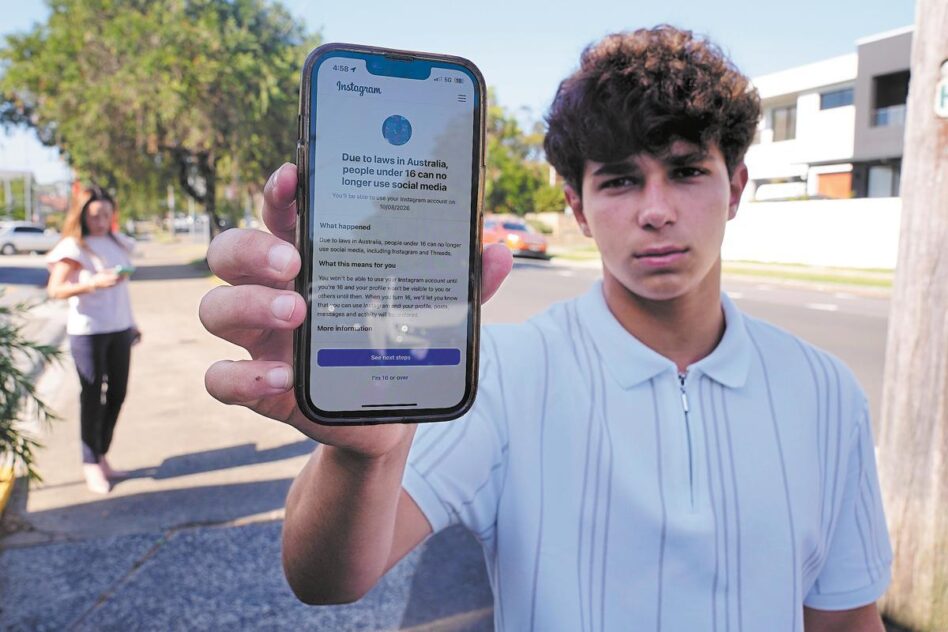
Australia implemented its under-16 social media ban in Dec 2025, targeting major platforms such as TikTok, Instagram, Facebook, YouTube, Snapchat and X.
Within weeks of implementation, media reports began to surface showing widespread circumvention by teenagers. These included the use of fake birth dates, shared adult accounts, multiple devices and virtual private networks (VPNs) to bypass age restrictions.
This reality highlights a core policy flaw: outright bans assume compliance in a digital environment where young users are highly adaptive and technologically savvy. When regulation ignores behavioural realities, enforcement becomes a game of catch-up rather than a genuine safeguard.
A January 2026 commentary in The Spectator Australia by political commentator and policy writer David Werdiger described how Australian teenagers were already “dodging the ban” through increasingly creative methods.
He characterised the situation as a regulatory “cat-and-mouse” game, warning that enforcement mechanisms were easily circumvented and risked turning the ban into a largely symbolic gesture rather than an effective solution.
More concerningly, Werdiger cautioned that pushing young users off mainstream platforms could drive them towards less regulated or underground digital spaces, potentially exposing them to greater risks rather than reducing harm.
Malaysia should take these lessons seriously. Good public policy must be grounded in how people actually behave, not how we wish they would behave.
Young people today are digitally native. They adapt faster than regulatory frameworks can evolve. Copy-pasting policies from other jurisdictions without understanding their real-world outcomes risks creating laws that appear decisive on paper but fail in practice.
More importantly, criticism of Australia’s ban has not come solely from commentators and the media—it has also emerged from within Australia’s own political establishment after the policy took effect.
Independent Senator David Pocock warned that the law risks being “performative”, arguing that it does not address the root causes of online harm and instead shifts responsibility away from social media companies.
Greens Senator Sarah Hanson-Young criticised the ban for placing an unfair burden on young people while allowing major technology firms to avoid accountability for harmful content and addictive algorithms.
These post-implementation concerns should serve as a warning to Malaysian policymakers. Effective regulation must be proportionate, enforceable and sustainable—not reactive.
Age-verification technologies, in particular, raise unresolved issues around data security, privacy and accuracy. Evidence from Australia suggests that underage users continue to slip through filters while legitimate users face unnecessary access barriers.
Rather than defaulting to blanket bans, Malaysia should consider a more comprehensive and long-term approach to online safety.

This includes stronger digital literacy education, better parental controls, clearer platform accountability, improved mental health support and tougher enforcement against genuinely harmful content and online predators.
Protecting children online requires a whole-of-society response. Education, parental engagement and platform responsibility must come first. Over-reliance on bans risks creating enforcement headaches without delivering meaningful protection.
Before introducing any restrictive legislation, broad stakeholder consultation is essential. Educators, parents, child development specialists, technology experts and civil society groups must all be part of the conversation. Digital policy should be designed with care, balance and foresight.
Malaysia still has an opportunity to design smarter regulation—one that balances safety with access, and protection with empowerment. Learning from Australia’s experience will help us avoid repeating costly mistakes.
Foo Lee Khean is a Malaysian capital markets practitioner and policy commentator with extensive experience in corporate finance, market structures and regulatory frameworks.
The views expressed are solely of the author and do not necessarily reflect those of MMKtT.
- Focus Malaysia.

No comments:
Post a Comment
Note: Only a member of this blog may post a comment.