


THOUSANDS of foreign tourists in Taiwan must have panicked when they woke up to news that Chinese warships had encircled the island nation in late December.
They must have heard the distant boom of gunfire, screaming jets and missiles exploding midair as the People’s Liberation Army (PLA) of China carried out a coordinated “attack” on this tiny neighbour.
Has China finally made good on its long-standing threat to invade Taiwan? Where can the tourists flee when all lines of communication to the outside world would have been cut off and the international airport bombed out of service?
But the “war” didn’t happen. It turned out to be a large-scale military exercise, using real bullets and bombs, conducted in waters and airspace around Taiwan on Dec 29‒30.
It was just another round of sabre-rattling to warn Taipei to toe the line and not walk away from your motherland. Taiwan had experienced many such threats and provocations from Big Brother across the strait in the past but through it all, the people stayed cool.
Nevertheless, the intense drill must have soured the holiday mood of the thousands of foreign travellers whose flights to Taichung International Airport in Taipei were delayed or cancelled.
When I landed in Taipei on Jan 9 there were no anti-aircraft guns ringing the busy airport or a heavy military presence although the nation is still on a state of high alert. You never know when the giant boots of the PLA will stomp on Taiwanese soil.
Travellers from afar swarmed the immigration gates, seemingly oblivious to the precarious position Taiwan was in just two months ago. Life in Taipei appears to be back to normal at least on the surface of it.
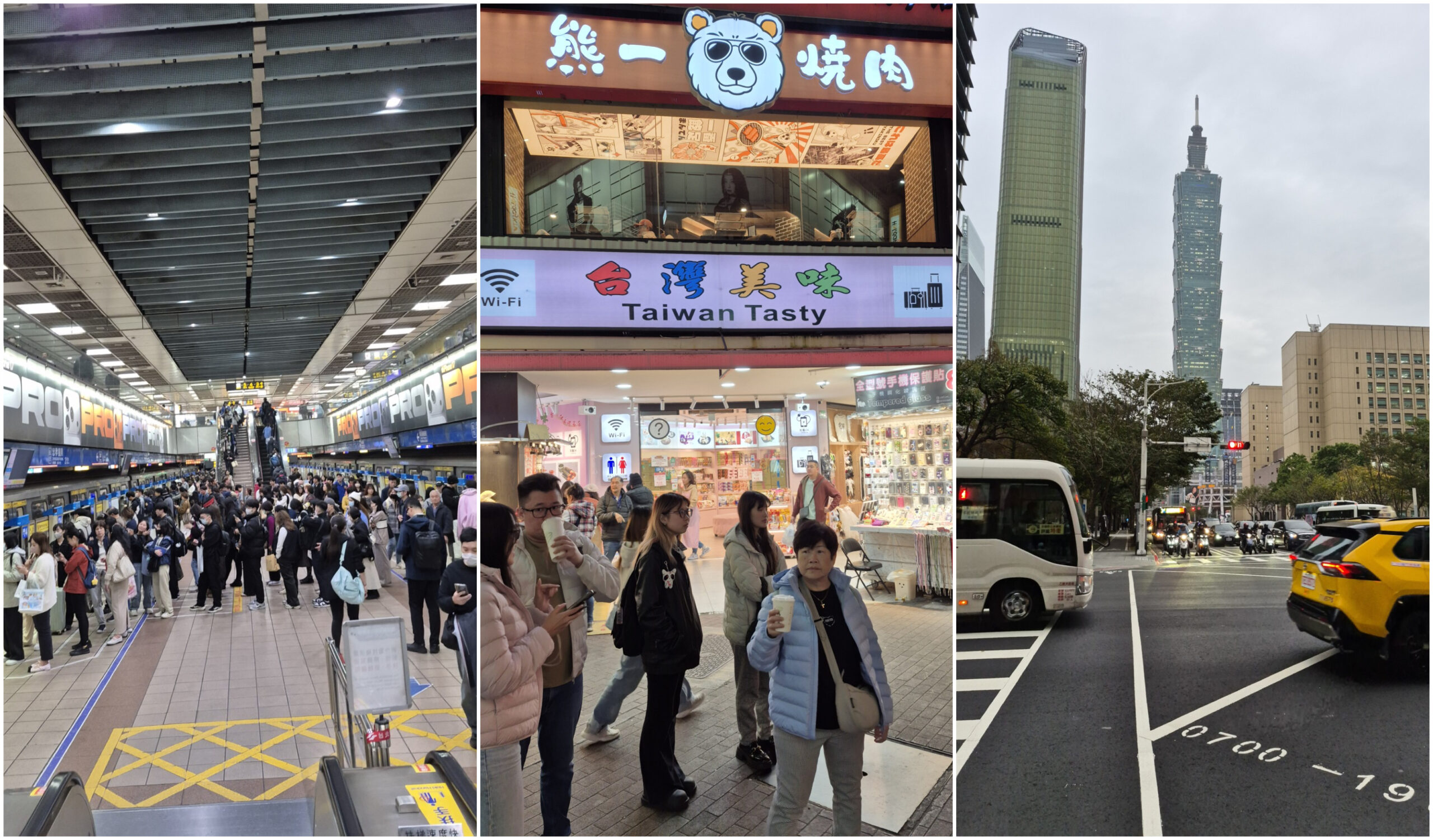
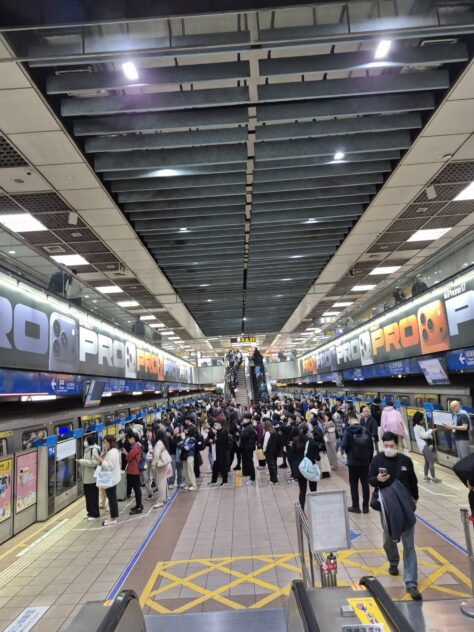
The office-rush hour crowd, the MRT running with clock-work precision, common people going about their daily chores, street foodstalls doing roaring business tell you the story of a resilient nation living unfazed under the lengthening shadow of a hostile neighbour.
Since the dark clouds of the “phoney war” have dissipated, the island continues to draw the crowds. Tourism is one of Taiwan’s money-spinners with tourist arrivals reaching more than 4.2 million in the first half of 2025. The forecasted target is to hit 8 million.
Though small in size—about 35,980 sq km—the island has many “small wonders” for tourists to explore. Like all countries around the world, Taiwan too has its own unique attractions to lure the tourist dollars.
Whether it is a group tour or a family outing, you can visit all the many popular spots that dot all over the island. Mine was a family excursion.
For starters, we took a stroll down the streets of Taipei, home to about 2.4 million people. Many of the streets were packed with local residents as well as tourists.
As we ambled along, we came across many small eye-catching cafes and eateries packed with customers. Food seems to be an all-consuming passion of the local people.
When in Taiwan, never miss the night markets. That”s where you can savour a variety of delicious food along the streets which are closed off to traffic.We went to some of the night markets and we didn’t mind waiting in the long queue for our turn for a vacant table.
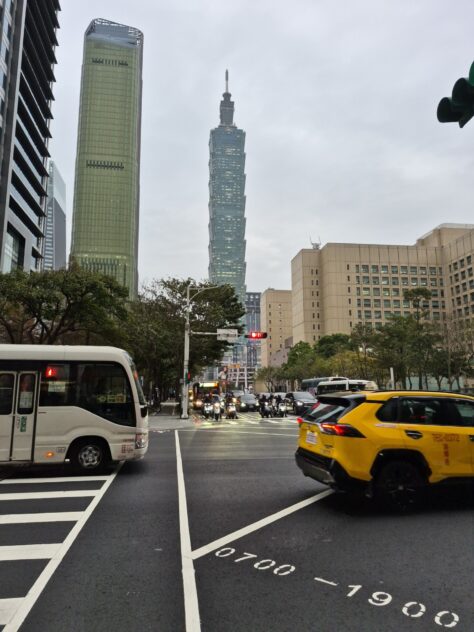
For the foreign visitors they are invariably drawn to an iconic building which is the pride of Taiwan: Taipei 101. The 101-storey skycraper was once the tallest building in the world from 2004 to 2009. Every New Year’s Eve the tower is aglow with fireworks at the stroke of midnight from a large countdown clock.
Most of our time was spent in the northern part of the island. Here, you can take a “bong bong” train ride to see a national forest in Taipingshan, bathe in an outdoor hotspring spa in Jiuzhize, or take an e-ride around the placid Meihua Lake in Dongshan.
My son marked off Huashan cultural park as another must-see place. Well, this is a park with a difference.
The site was once a Japanese-era wine factory but the creative local talents have turned the old warehouses and buildings into an ivy-covered business hub featuring pop-up shops, design shops, souvenir outlets, art exhibits and foodstalls.
Taiwan is a mountainous island with about 70% of it covered with rugged terrain. To get its rugged feel, we headed to the Qingtiangang Grassland which lies 770 metres above sea level. There are many peaks but only strong legs can hike up the slopes.
My wife and I chose a gentler slope and as we trudged, we could hear the cold, howling wind under a clear sunny sky.
Back to ground level. Love seafood? We stopped by the Taipei Fish Market in Zhongshan and saw huge tanks teeming with giant crabs, lobsters, and many other sea creatures.
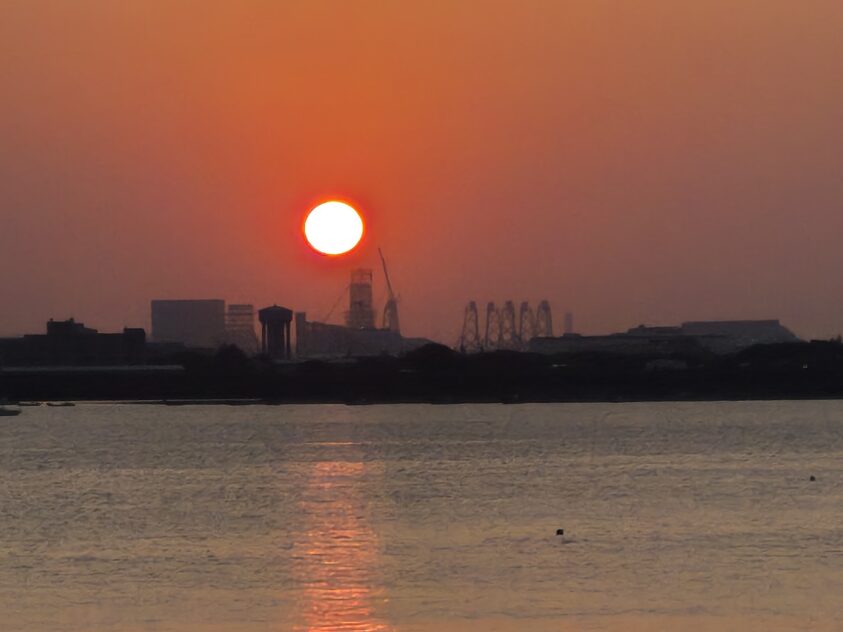
Watching the sun set is a popular outing in many coastal countries like Malaysia. So it is with Taiwan where you can watch the huge fireball in the sky sinking down the horizon in the late evening. The best place to observe the sun go to sleep is at the Dadaocheng wharf plaza on the banks of the Tamsui River.
Ecological-themed park is another favourite spot for local and foreign tourists. One such urban park, considered to be the “lungs of Taipei city”, is located in the centre of the district of Daan.
For local residents, the Daan forest park is a nice place to unwind and relax in the presence of many trees, bamboo groves, lawns and ponds. And you have squirrels, ducks, egrets and turtles for company.
All these places are easily accessible via MRT or, if you prefer a fast ride to your destination, call Uber.
Unlike many countries, Taiwan with a population of about 23 million is said to be living on borrowed time or that its existence is temporary.
Notwithstanding this gloomy assessment, this tiny island in the sun will continue to stay afloat in the sea of democracy for the foreseeable future, welcoming visitors to all its small wonders.
Phlip Rodrigues is a retired journalist.
The views expressed are solely of the author and do not necessarily reflect those of MMKtT.
- Focus Malaysia.

No comments:
Post a Comment
Note: Only a member of this blog may post a comment.