


This year, Chinese New Year and Hari Raya Aidilfitri are coming closer together. It isn’t going to be a Kongsi Raya celebration just yet, but the lunar new year is going to coincide with the beginning of Ramadan.
This is very significant for my family because both my wife and I are mixed Malay and Chinese, and we celebrate both festive seasons with full aplomb!
This means that, basically, our bank account is about to undergo a high-intensity cardio workout similar to the first full marathon I completed two weeks ago!
Duit raya and angpow packets are going to swallow up our cash! Buying expensive salmon for our Yee Sang and also ikan parang for our Laksa Johor will also put us closer to financial ruin!
But then, the government walks in like a hero trying to save the day. They’ve announced the Sumbangan Asas Rahmah (Sara) Untuk Semua.
Cash aid for poor goes universal
In case you are not familiar, Sara used to be a handout for the B40. To qualify, you are required to be on a specific list or earn below a certain line.
But starting early February, if you’ve got a MyKad and you’re over 18, you’re getting RM100.
From the uncle selling goreng pisang at the corner to the high-flying corporate lawyer in Mont Kiara who probably spends RM20 on a single matcha latte, everyone is getting it.
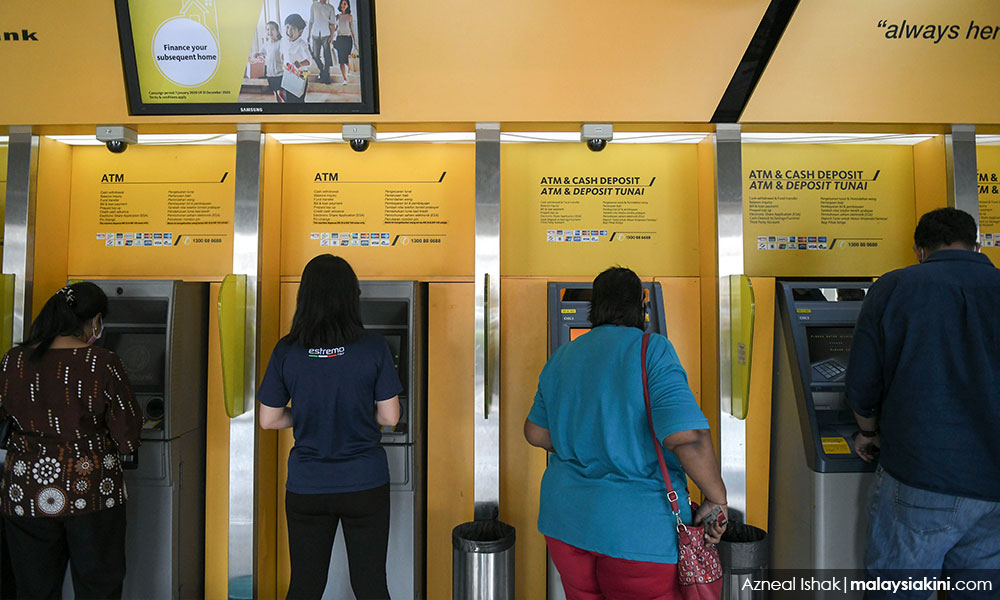
It’s inclusive and very much in the spirit of “Kita Jaga Kita”. But I couldn’t help but wonder if we are actually fixing the economy, or if we are just handing out fish to people.
Look, Malaysia is absolutely no stranger to handouts. Name the acronym, and we are probably familiar with it.
It all started with BR1M (Bantuan Rakyat 1Malaysia) in 2012, then it became BSH (Bantuan Sara Hidup), then BPN (Bantuan Prihatin Nasional), then BKM, and now STR and Sara.
No matter what you call it, the point remains the same, and that is, “Here is some cash, please don’t be too mad about inflation.”
Malaysians have been conditioned to wait for the budget announcement, like how we wait for the school bell to ring so we can go home.
The Bantuan Awal Persekolahan (BAP) has also just been announced. For 2026, the government isn’t just looking at adults; they’re looking at the kids, too.
Every student from primary school to secondary school is getting a one-off RM150. Similarly, there is no income limit, and everyone gets it.
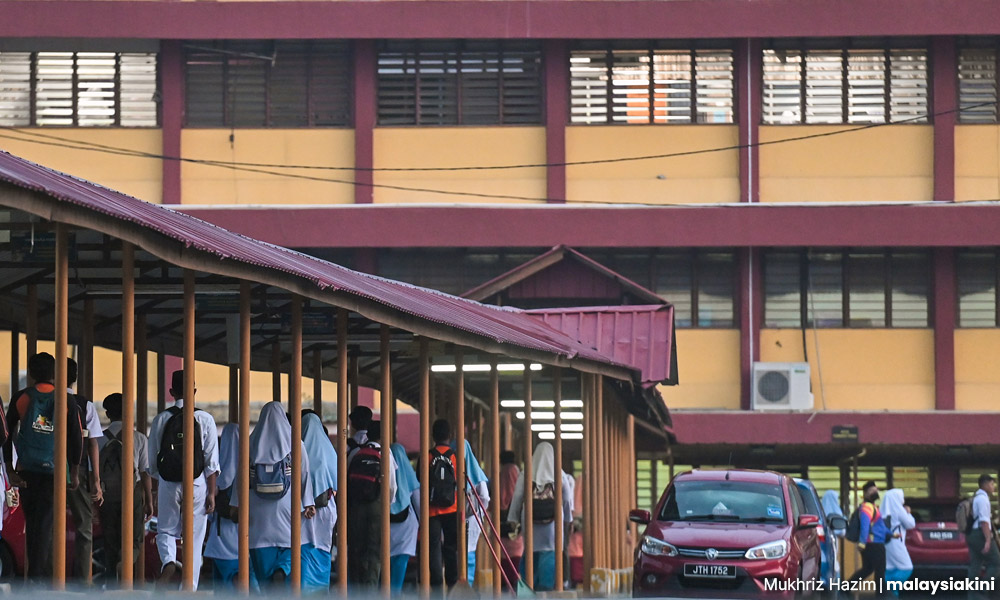
Whether you’re struggling to buy a school uniform or you’re choosing between different private tutors, you’re getting that money.
For years, the M40 has been the ignored middle child of the Malaysian economy. We pay the taxes, we consume at all the shopping malls, and we basically keep the country going.
Yet, we usually get the same amount of government aid, which is almost nothing. We’re too “rich” to get the handouts, but too “poor” to not feel the sting when the price of a plate of nasi lemak goes up.
By making the RM100 Sara and the RM150 BAP universal, the government is finally giving the middle class some attention. It acknowledges that the cost-of-living crisis is a universal experience.
Short-term economic benefits
Now, how does all this work economically for the country? In plain and simple words, if you give RM100 to the masses, that money moves.
When you spend that money at a local supermarket, the store owner pays their staff, who then buy a meal at a local stall, and the stall owner buys more ingredients.
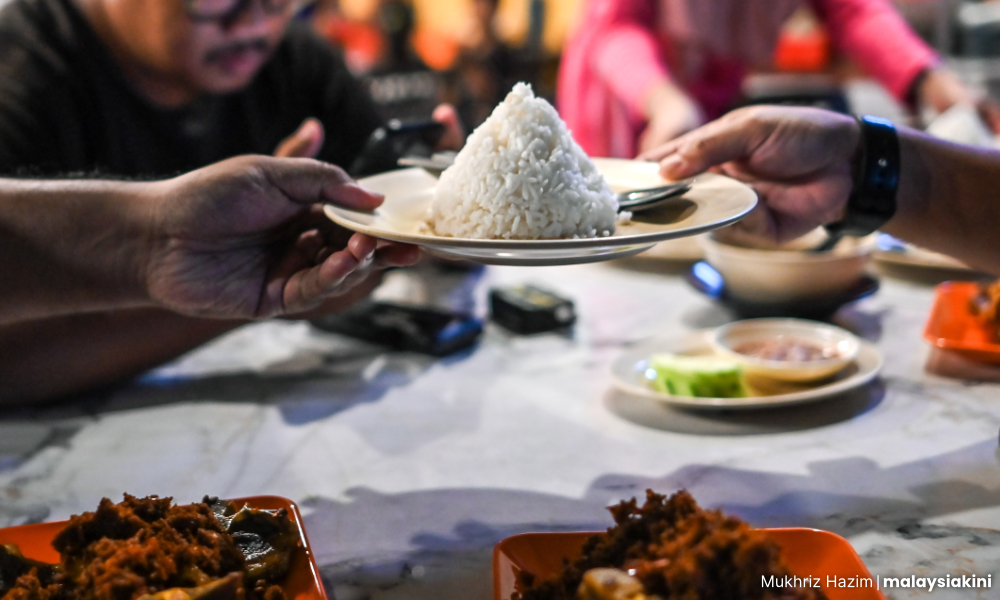
By the time the original RM100 has finished its journey, it has generated hundreds of ringgit in actual economic activity. This is important because keeping the domestic cash circulating is vital; it basically keeps the country’s economy alive.
However, this is also the part which makes people nervous. If 22 million people suddenly have an extra RM100, what’s stopping the local grocery store from quietly bumping up the price of a packet of oil or sugar by RM0.50?
First off, Sara is cashless, and it is linked to your MyKad. Every transaction leaves a digital trail.
If a shop starts charging RM10 for a tin of sardines that costs RM7 everywhere else, the system will be able to flag it. And anyway, the items that Sara covers are price-controlled goods.
Promising pilot programmes
So all this universal aid reminds me of Universal Basic Income (UBI), which I have written about before. Imagine if the government gave every citizen a set amount every single month, like a salary, with no strings attached.
RM100 once a year isn’t exactly UBI, but there are examples of where it worked.
For decades, every resident in Alaska has received an annual dividend from the state’s oil wealth, and research shows that Alaskans don’t stop working. They spend the money locally, boosting the economy.

A 2017 trial in Finland gave a group of unemployed people €560 monthly with no strings attached. Although it didn’t increase employment, the recipients reported better mental health, higher life satisfaction and more trust in social institutions.
Kenya also initiated long-term UBI trials, and the results were also very positive. The recipients showed that they could start businesses, sustain them, and it helped them to go through difficult times like the Covid-19 pandemic better.
Maybe we can look at Sara as a trial version of UBI, but an expensive trial. The total bill for these 2026 cash aids must be staggering. That’s money that isn’t going into improving our public transport or any other infrastructure. That’s an opportunity cost.
But it does give the economy a quick jolt, even if it doesn’t have any big effects in the long term. True economic health comes from people having good jobs and fair wages, so they don’t need to rely on government aid to survive. So, I guess we just enjoy the RM100.
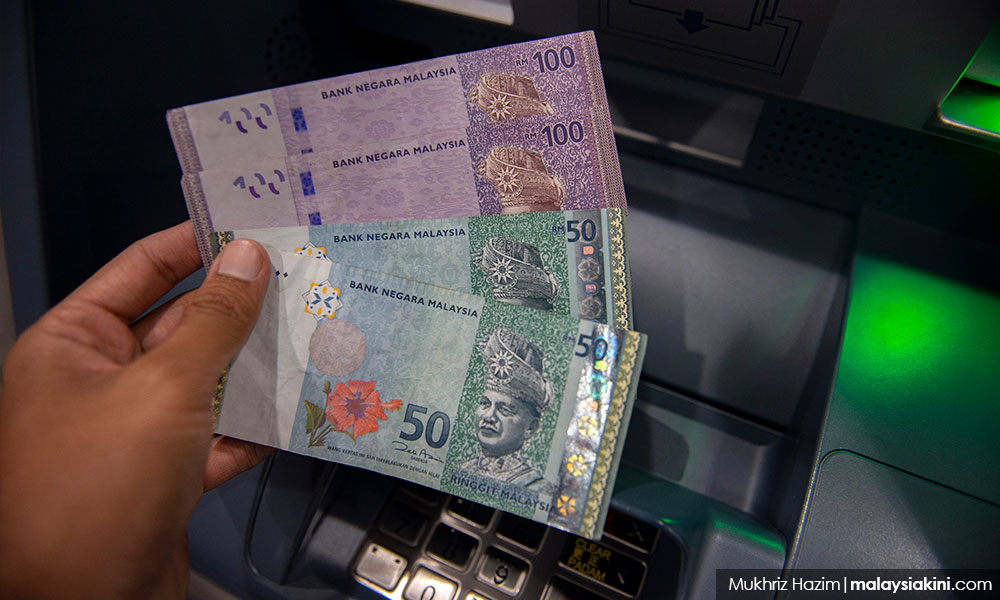
The universal nature of this aid is a step in the right direction. It acknowledges that everyone is feeling the pinch, but it shouldn’t stop there.
The government, which has been entrusted to administer the country by the people, needs to work hard to make everything better holistically.
Until then, I’ll continue to be the guy slowly walking away from the supermarket counter, pushing a full cart, staring at the receipt in disbelief as I walk towards the car. - Mkini
ZAN AZLEE is a writer, documentary filmmaker, journalist, and academic. Visit fatbidin.com to view his work.
The views expressed here are those of the author/contributor and do not necessarily represent the views of MMKtT.

No comments:
Post a Comment
Note: Only a member of this blog may post a comment.