


PARLIAMENT | A Bersatu lawmaker has urged the public not to mock the food choices of those from other faiths.
While debating the royal address today in the Dewan Rakyat, Kalam Salan (PN-Sabak Bernam) said that while Islam forbids the consumption of pork, the religion also does not teach its followers to mock non-believers who do.
Kalam stressed that religious restrictions should not be used as a justification to insult other people’s food choices, noting that many other foods have a strong smell yet remain popular.
“Budu is claimed to smell bad, but it’s delicious; that’s why we eat it. There are many types of smelly foods that taste good,” he said.
Last week, Puncak Borneo MP Willie Mongin called out comments disparaging pork as “smelly” and “dirty”, and drew comparisons to budu and belacan, which he claimed “smell worse”.
He also emphasised that despite their consumption of pork, many in his community lead upright lives and do not engage in illegal or immoral activities.
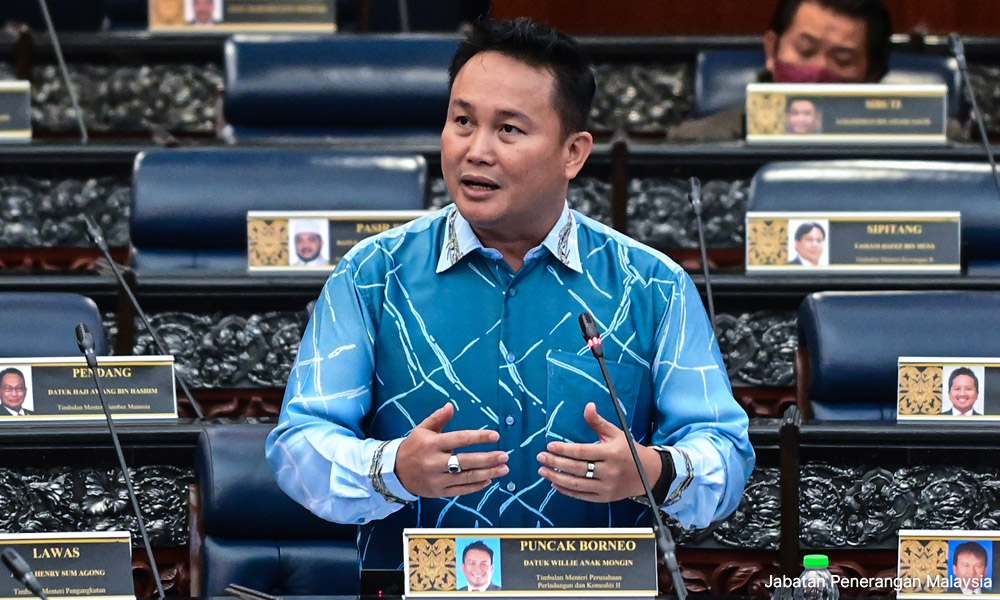
“As a Dayak, we have never spoken badly or criticised what other people eat.
“While we do eat pork, many of us don’t take bribes, abuse drugs, or do anything weird. But we have been condemned as uncivilised for eating pork,” he added.
‘Blame the farms’
On that note, Kalam said that as a farm owner, he was used to facing wild boars, and the animal in itself is not smelly - a factor he instead attributed to operations of domestic pig farms - an issue of recent contention.
“The pigs themselves aren’t smelly, really, they’re not. What smells are the pens, and how they are maintained.
“As a Malaysian, I too feel like eating pork and other animals. We only live once. But my religion forbids it, so that’s why I don’t eat it.
“The same goes for monitor lizards and snakes - I’m curious to try them, but I don’t because of religious prohibitions,” he said.
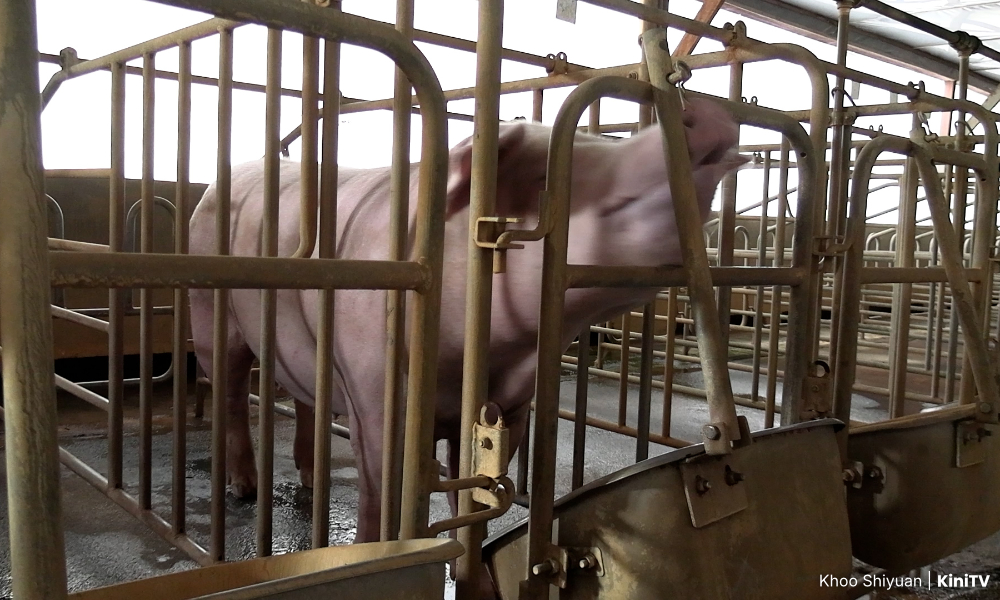
Earlier in his speech, Kalam noted how pig farming projects had received constant objections from local residents, whether in Kuala Langat, Selangor; Bukit Pelanduk, Negeri Sembilan; Benut, Johor; or even in Chinese new villages.
According to Kalam, the situation showed that pig farming in the country consistently faces difficulties gaining public acceptance.
As such, Kalam said an alternative approach should be considered, including importing pork from overseas.
“There’s no need to rear pigs; we can just import. Import roast pork or processed pork as we do with chicken.
“In Singapore, more people eat pork, but they don’t farm it themselves, and that situation is safer,” he said.
Royal displeasure
On Jan 10, Selangor ruler Sultan Sharafuddin Idris Shah expressed his disappointment and disagreed with the state government’s plan to allow pig farming operations in Tanjong Sepat, Kuala Langat, starting this year, before relocating them to Bukit Tagar in 2030.
Subsequently, last Friday, Prime Minister Anwar Ibrahim was also reported to have suggested that the centralised pig farming project in Bukit Tagar, which has caused unease among local residents, be cancelled for the time being or moved to a more suitable new location.

Following this, the Selangor state government decided to temporarily postpone the pig farming project.
Menteri Besar Amirudin Shari said the state government decided on the postponement while it searches for a new location, in addition to the need to hold discussions with farm operators and provide clarification to all parties over misunderstandings that have arisen. - Mkini

No comments:
Post a Comment
Note: Only a member of this blog may post a comment.