


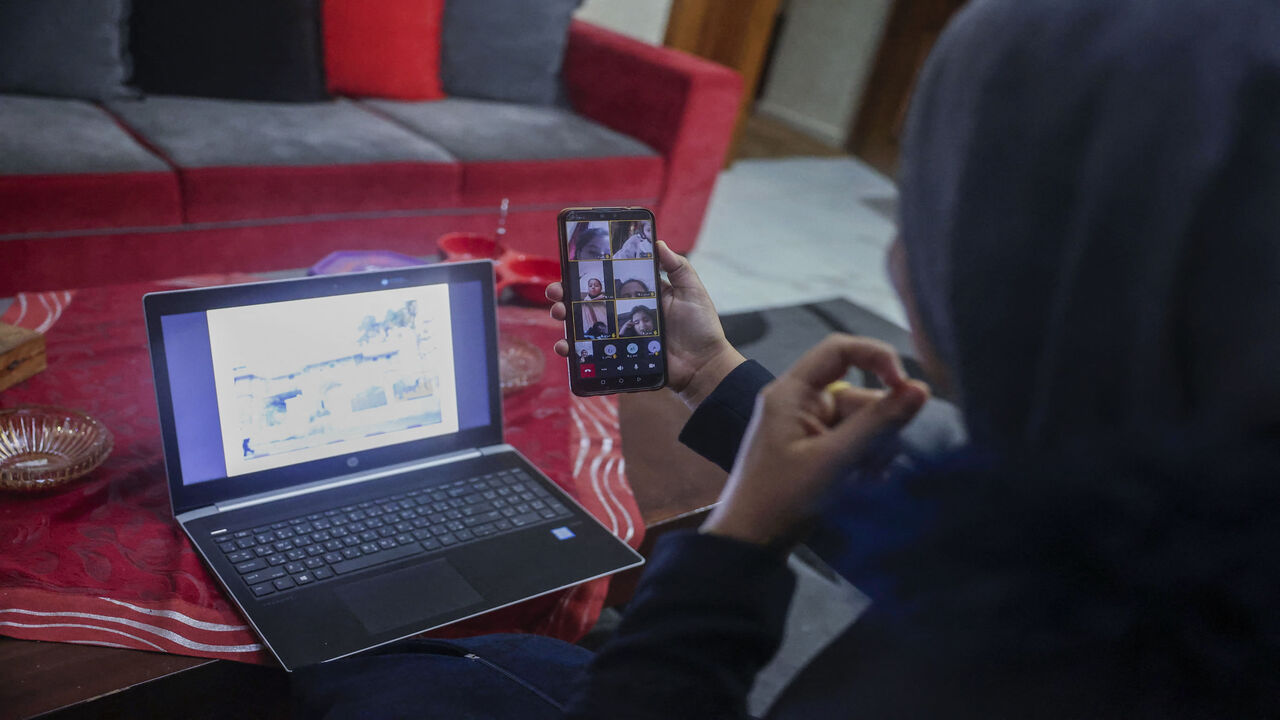
FOR children growing up in Malaysia today, the internet is not an add-on to life—it is life. It is where friendships are formed, identities shaped, values absorbed, and worldviews quietly constructed.
Screens are not just tools; they are environments. Yet if we look at our education system, one uncomfortable truth emerges: our schools still behave as though this digital world is peripheral when it is in fact central.
Classrooms remain focused on traditional subjects—and rightly so. But in doing so, they are neglecting the most urgent skills young Malaysians need to survive and thrive today: how to protect their mental health online, how to recognise misinformation, how to deal with cyberbullying, and how to understand the invisible algorithms shaping what they see, think and feel.
These are not optional extras. They are foundational life skills. And they are barely taught.
The gap is widening. Technology evolves at breakneck speed, social media trends shift overnight, yet our syllabuses change at a glacial pace. Students are left navigating a fast-moving digital world largely on their own.

What are they facing online? Constant comparison with curated, unrealistic lives. Viral challenges that reward risk. Fake news designed to provoke outrage. Online harassment that follows them home. Content that becomes ever more extreme just to keep them scrolling.
These pressures do not stop at the school gate; they intensify in the quiet, unsupervised hours spent on personal devices.
Parents and teachers see the consequences: rising anxiety, distorted body image, declining self-esteem, cyberbullying that spills into classrooms. But too often, society responds only after harm has occurred. We treat digital dangers like accidents rather than predictable outcomes of poor preparation.
Most students are never taught how algorithms decide what appears on their feeds, how easily images and videos can be manipulated, why false information spreads faster than truth, or how constant online comparison corrodes self-worth. They are rarely encouraged to pause and ask a simple but powerful question: Is this true?
The result is a generation absorbing warped standards and harmful narratives, unaware that their attention is being engineered and monetised.
This has serious mental health consequences. While youth anxiety and depression have many causes, it is impossible to ignore the impact of an unregulated digital environment.
Young people are flooded daily with images of “perfect” bodies and glamorous lifestyles, stripped of context or reality. Encountering this while still forming one’s identity can quietly erode self-worth.
This is not about blaming young people for being online. No generation before them has grown up under such constant psychological pressure—without being given the tools to understand or resist it.
Teachers, meanwhile, are left to manage the fallout. They deal with shortened attention spans, online conflicts turning into school disputes, and students struggling with confidence.
Yet most teachers have received little to no training in digital wellbeing or media literacy. We cannot expect them to fight a battle they were never equipped for. This is not a failure of educators, but of policy.
Here lies a national contradiction. Malaysia proudly speaks of Industry 4.0, artificial intelligence and a digital economy. But we are producing tech users faster than tech thinkers. We talk about mental health while ignoring one of its most powerful modern influences.
What must change is clear. Digital literacy must be taught as a life skill, embedded across subjects from early schooling. Teachers must be trained and supported in digital wellbeing.
Technology platforms must be held accountable for the environments they create. And policymakers must recognise that digital wellbeing is as essential as physical health or academic achievement.
Our young people are not asking for the internet to be taken away. They are asking to understand it. If we fail to act, we leave a generation exposed—not because they are incapable, but because we refused to prepare them for the world they already inhabit.
KT Maran is a Focus Malaysia viewer.
The views expressed are solely of the author and do not necessarily reflect those of MMKtT.
- Focus Malaysia.

No comments:
Post a Comment
Note: Only a member of this blog may post a comment.