


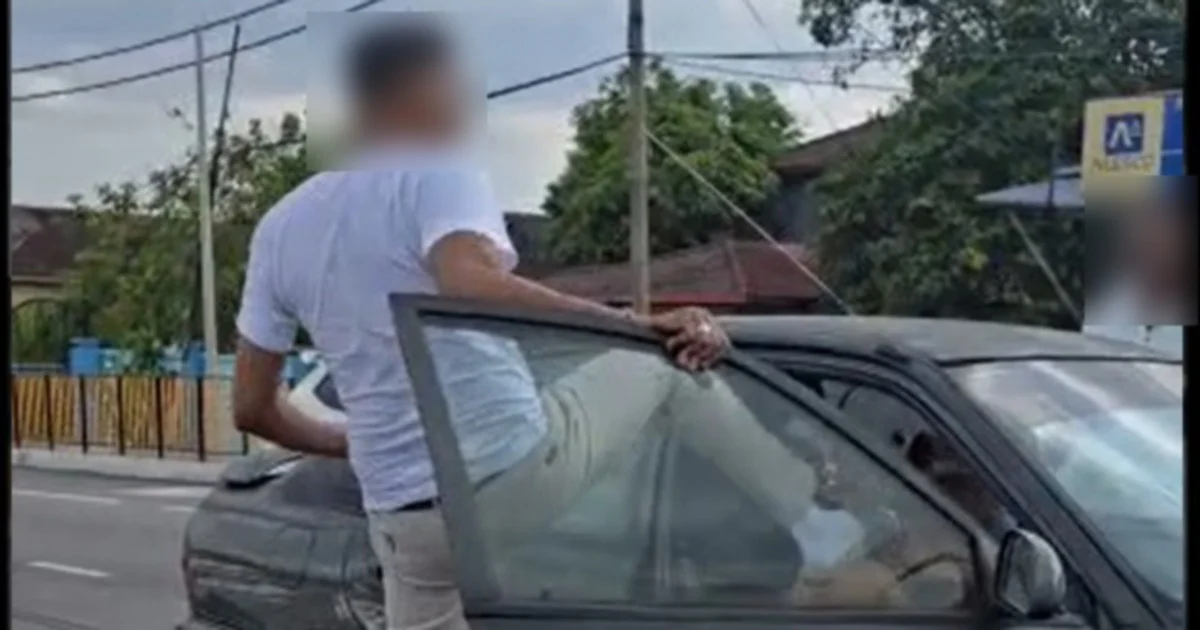
A BUSINESSMAN was recenty fined RM5,500 by the Kajang Magistrate’s Court after pleading guilty to two charges of injuring and threatening to kill a 70-year-old man at Jalan Cheras-Hulu Langat last Sunday.
However, when a minor collision leads to a senior citizen being punched, kicked, and threatened with death, a monetary penalty feels less like justice and more like a transaction.
As Tan Sri Lee Lam Thye of Malaysia’s National Road Safety Council (MKJR) warns, such a fine risks being seen as a mere “fee for misconduct” rather than a meaningful deterrent.
This case has ignited a crucial question: when road rage turns violent, is a fine ever enough?
How the law currently sees road rage
In Malaysia, there is no specific offence called “road rage”. Violent incidents are prosecuted under a patchwork of existing laws, which can lead to penalties that feel disconnected from the public danger and trauma caused.
The common legal frameworks used for reckless or dangerous driving covered under the Road Transport Act 1987. Penalties can include fines up to RM10,000 or imprisonment.
Assault and criminal intimidation charges like those in the Cheras case (Sections 323 and 506 of the Penal Code) for causing hurt and threats.
General traffic offences and other aggressive acts may fall under various minor traffic violations.
The core criticism is that this framework treats violent road rage as a collection of separate minor offences, failing to recognize it as a unique and serious act of public violence that endangers entire communities.
A look at how other societies respond in other countries have moved decisively to treat road rage with the seriousness it demands, focusing on public protection, deterrence, and rehabilitation.
Japan legally defines “obstructive driving” (like sudden braking to menace others) and imposes penalties of up to five years imprisonment and license invalidation. For driving causing death or injury, penalties can reach 15 years’ imprisonment.
New South Wales in Australia has specific offences like “predatory driving” (pursuing another vehicle to cause impact) and “menacing driving” which carry severe penalties including imprisonment and unlimited license disqualification.
United Kingdom sentencing guidelines mandate that aggressive driving (like sudden lane changes or cutting off others) can be prosecuted as “dangerous driving” which carries a maximum penalty of two years’ custody and an obligatory driving ban.

There must be meaningful road reform.
The public anger over the Cheras case is a demand for change. Meaningful legal reform would require more than adjusting fine amounts; it would involve a fundamental shift in viewing violent road rage as a threat to public safety. Key measures could include:
- Create a specific, aggravated offencewhereby a clear “aggravated road rage” or “violent driving” offence is established within the Road Transport Act. This would legally recognise the unique context and danger of violence that erupts from traffic disputes.
- Mandate license suspension and rehabilitationfor offenders. Conviction should trigger an automatic driving license suspension. Restoration should be contingent on completing certified anger-management and behavioral rehabilitation programme
- Centrejustice on the victim whereby sentencing must look beyond fines to the state. It should mandate compensation for victims covering medical costs, therapy, and other losses, ensuring justice addresses the harm where it was felt.
- Ensure consistency and deterrencewhere Parliament should establish national sentencing guidelines to ensure similar offences receive similar punishments nationwide, strengthening deterrence and public trust.
A fine can settle a debt, but it cannot heal trauma, restore a sense of security, or deter future violence.
As Lee had stated, there is “absolutely no justification” for taking the law into one’s own hands on the road.
Strengthening the law is not about harshness for its own sake; it is about clearly affirming that our shared roads must be spaces of civility, not violence.
KT Maran
Seremban, Negri Sembilan
The views expressed are solely of the author and do not necessarily reflect those of MMKtT.
- Focus Malaysia

No comments:
Post a Comment
Note: Only a member of this blog may post a comment.