

At two of Malaysia’s most emotionally charged sporting moments, Lawrence Chan forged conviction, turning fear into purpose and teams into something greater than themselves.

It was pitch dark. No voices, no instructions, only the quiet movement of a team carrying the weight of a nation.
Then, one by one, their names rang out. A flame flickered to life. In its glow, the Malaysian flag appeared, and the opening strains of Negaraku filled the room.
For the players of the 1975 Hockey World Cup, this was not just another team talk. It was the moment conviction took hold.
The man behind it was Lawrence Chan Kum Peng, who died on May 2 at the age of 81. He never appeared on team sheets or match reports, yet his influence ran through some of Malaysia’s most defining sporting moments.
Long before sports psychology took root in the country, Chan had already found a way to make it tangible.
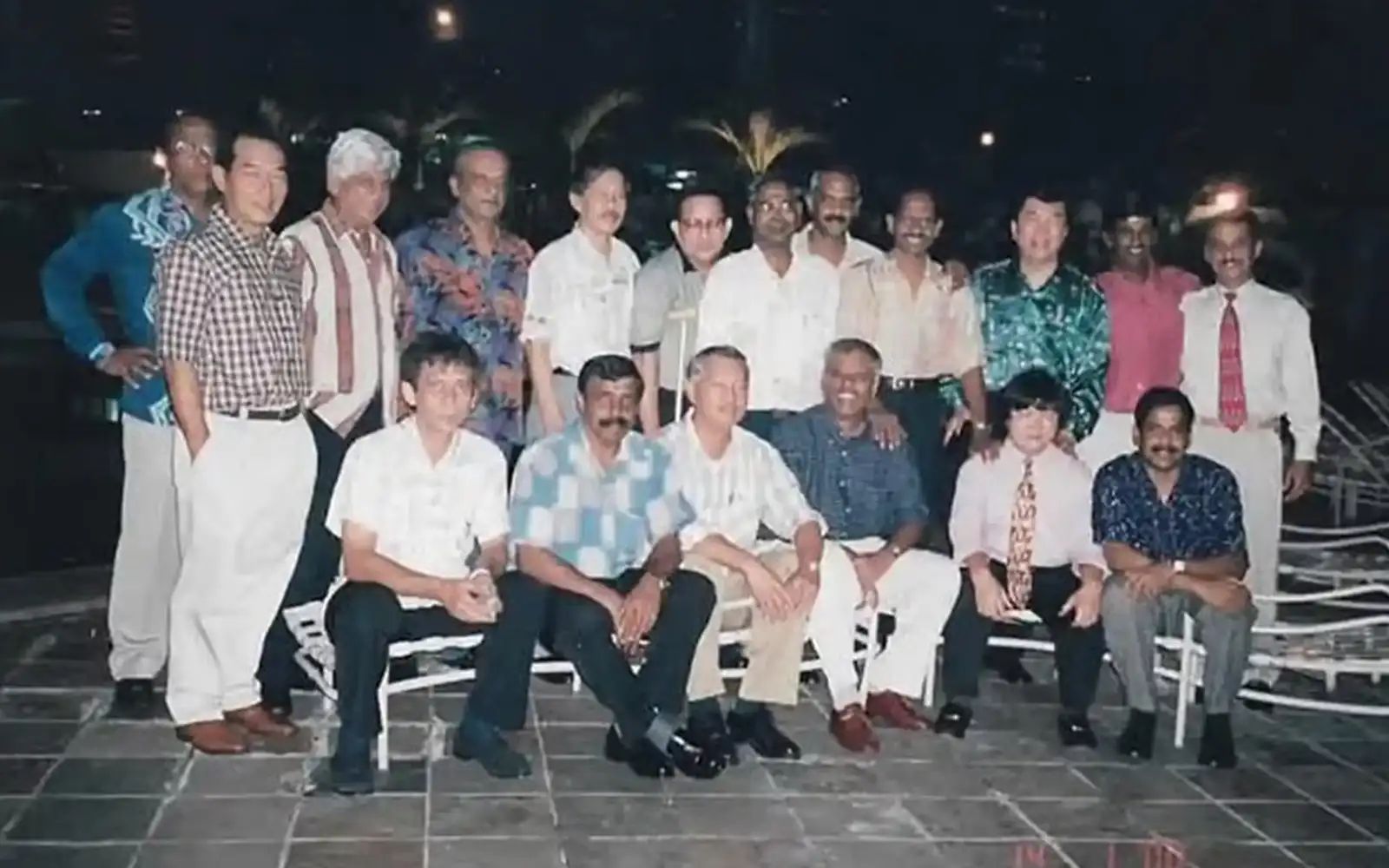
When pressure needed form
In 1975, Malaysia hosted the Hockey World Cup in Kuala Lumpur, and expectation pressed heavily on a squad that had spent years building towards this stage.
Many of the players had represented the country since 1968. They made sacrifices that stretched well beyond the field.
Training conditions were far from ideal, but they endured. They carried a quiet sense that this was their moment.
As the tournament drew closer, tension set in. Inside-right M Mahendran later recalled the strain, the fear of falling short on home soil, and the emotional weight that came with it.
On the eve of their opening match against New Zealand, that pressure broke through. There were tears. There was doubt.
That evening, Chan gathered them.
In the darkness, he created space for emotion to surface and take shape. The candlelight, the flag, the anthem — each element served a purpose.
He did not try to remove fear. He gave it direction.
Before every match, the ritual continued. A vinyl record spun in the dressing room, playing “United We Stand, Divided We Fall” by Brotherhood of Man. The players formed a circle and sang together, their voices rising with intent.
“He Ain’t Heavy, He’s My Brother” by The Hollies followed, reinforcing the idea that no one carried the burden alone.
Right-half K Balasingam remembered how the intensity built, how veins seemed to pulse at their temples as they sang.
“By the time we stepped onto the pitch, we moved as one,” he said.
Malaysia opened their campaign at Merdeka Stadium under the roar of a home crowd. The players responded with urgency and resolve, earning a draw against New Zealand in a match many felt they should have won.
It set the tone for a tournament that became the high-water mark of Malaysian hockey. The team pushed through each match with a tenacity that held firm under pressure, finishing fourth in what remains the country’s greatest World Cup showing.
Chan’s role did not end with that tournament. His understanding of shared purpose followed him into other arenas, where the stakes felt just as heavy.
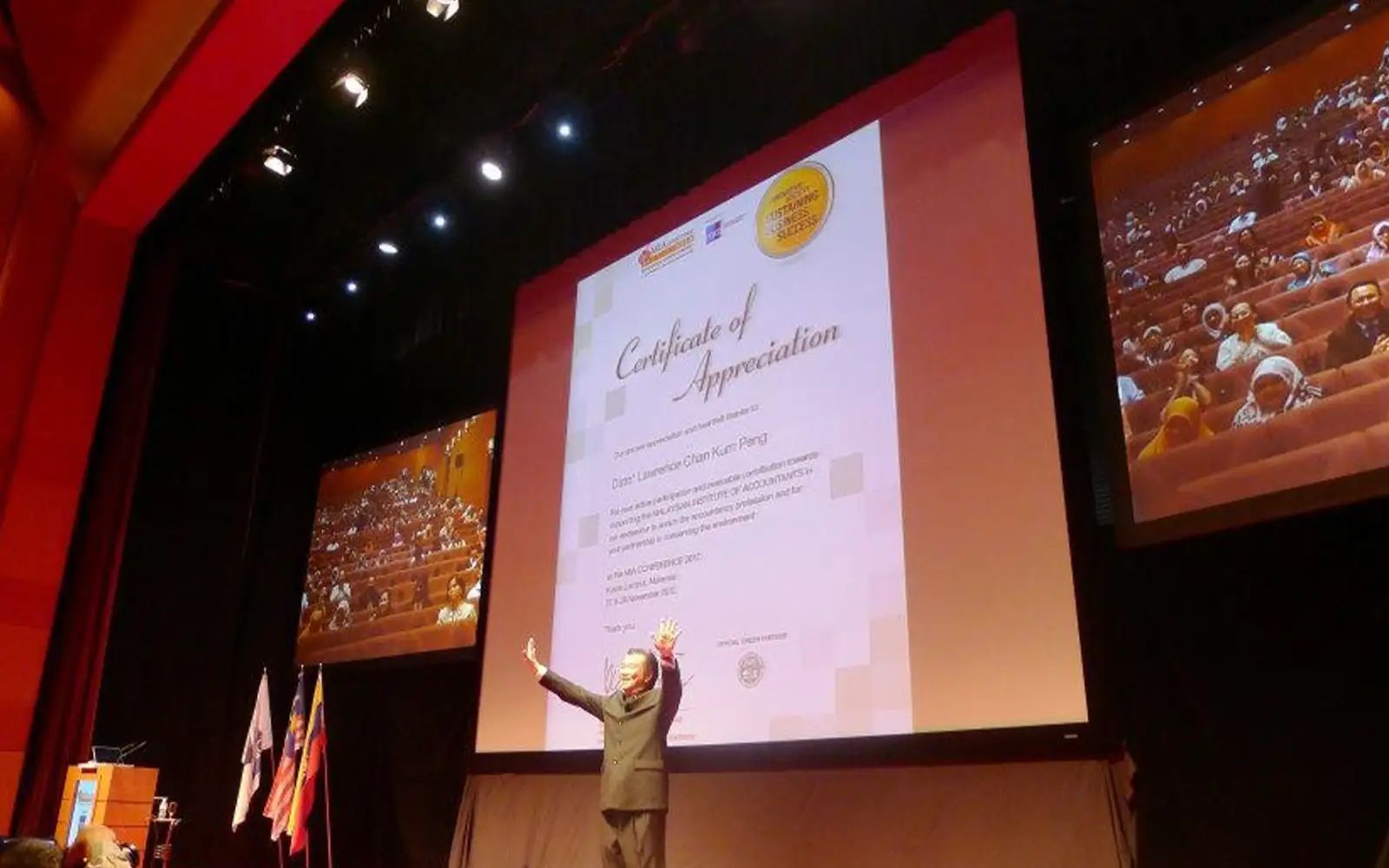
The same edge, a different arena
In 1992, Malaysia stood on the brink of ending a long wait for the Thomas Cup. The badminton final against Indonesia carried its own weight, and once again, the margin would not be decided by skill alone.
Chan worked with the squad on mental preparation, reminding them not to be overawed and to trust their own fight.
He did not need a darkened room or a candle to make his point. By then, his method had evolved, but the message remained consistent.
When Cheah Soon Kit and Soo Beng Kiang delivered the decisive point in a 3–2 victory, it completed one of the most emotional nights in Malaysian sport.
The noise inside Stadium Negara, the release, the sense of a nation rising together echoed the same inner steel Chan had helped shape years earlier.
Even decades later, teams still sought that edge. In 2017, the Badminton Association of Malaysia brought him back to work with the national squad ahead of the Thomas and Uber Cups, a reminder that the mental side of performance still demands care and craft.
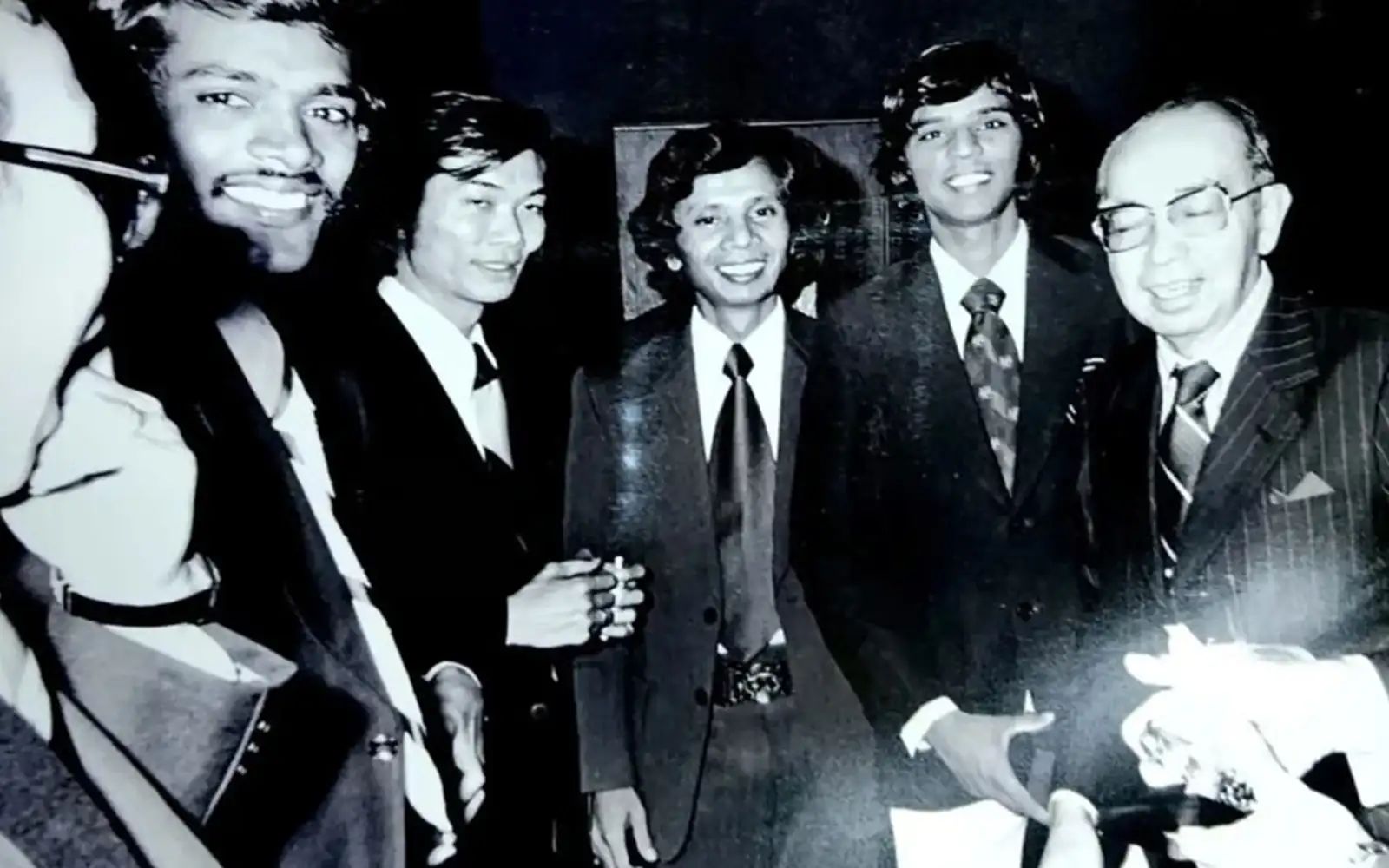
Developing People
Beyond sport, Chan built his life around developing people. He founded the Taman Indrahana Toastmasters Club, creating a platform where individuals learned to find their voice and confidence.
Through Personal Development Leadership (PDL), he expanded that work, reaching people in boardrooms, classrooms and communities.
His journey took him to the United States to engage with Toastmasters International at its highest level, but his work always returned home.
Those who worked with him often spoke less about what he said and more about what changed after they heard him.
Poh Teck Lim, a principal trainer and longtime associate, described him as a pioneer and a builder of people, someone whose influence continues to ripple across generations.
He recalled how a single talk by Chan could shift a mindset and break through limitations that had held firm for years.
That was his gift. He understood that performance, whether in sport or in life, begins long before the moment arrives.
It begins in how people see themselves, how they carry pressure, and how they choose to respond.
In 1975, in a darkened room lit by a single candle, a group of hockey players found clarity in that understanding.
In 1992, on a night of deafening noise and national release, a badminton team carried that same grit onto the court.
Different settings, different stakes, but the same quiet work beneath it.
The flame itself was brief. What it revealed has lasted far longer. - FMT

No comments:
Post a Comment
Note: Only a member of this blog may post a comment.