


A coordinated bombardment of half-truths - led by billionaire Elon Musk, WikiLeaks, and a loose network of self-styled free-speech advocates - turned the US Agency for International Development’s (Usaid) own transparency against itself to engineer its eventual collapse in early 2025, a cross-border investigation by Asian journalists has found.
The campaign, which peaked between February and March 2025 during the onset of US President Donald Trump’s second term, did not rely on wholesale fabrications about Usaid.
Instead, it rode a perfect storm of transparency by using real contract figures and publicly available audit reports and disclosures to frame Usaid’s work in Asia and beyond as a deliberate waste of funds and a covert bankrolling of foreign interference.
Since 1961, Usaid has served as the US government's primary foreign aid agency, funding programmes in global health, democratic governance, education, and media development in more than 100 countries.
It has supported publicly documented projects of the international non-profit Internews Network and various media and civil society groups across Asia - many of which have also become targets of these attacks.
More than a year after the campaign peaked, an investigation of 291 posts conducted by news outlets Philstar.com, PressOne.PH, Malaysiakini, DailyGuardian, and independent journalist Nica Hanopol found that X (formerly Twitter), TikTok, YouTube, and some partisan websites hosted a five-month assault against Usaid and the organisations it funds.
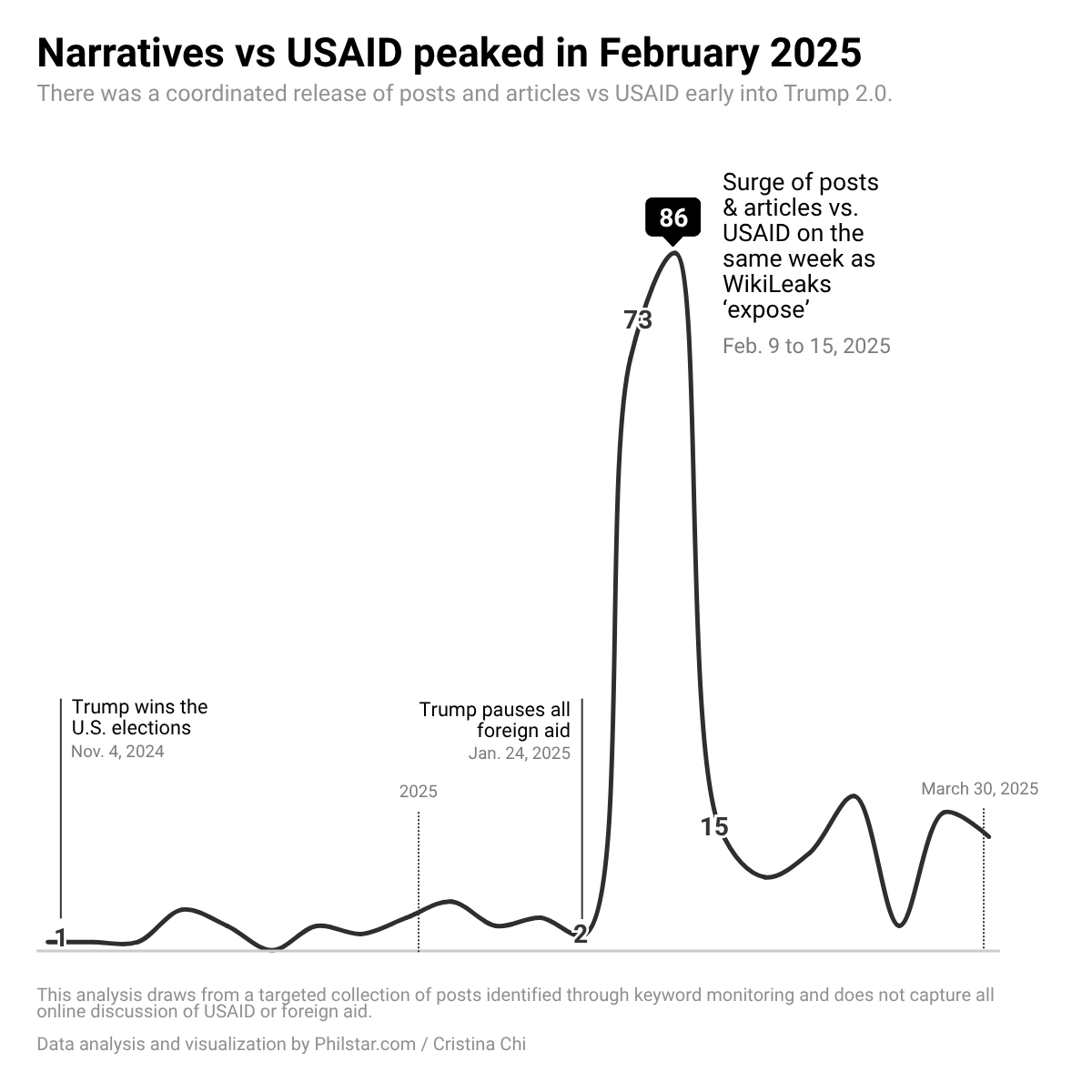
The origins of the claims trace back to a Feb 8 WikiLeaks thread, posted just two weeks after Trump ordered a freeze on all foreign aid to assess their “alignment” with American values and interests.
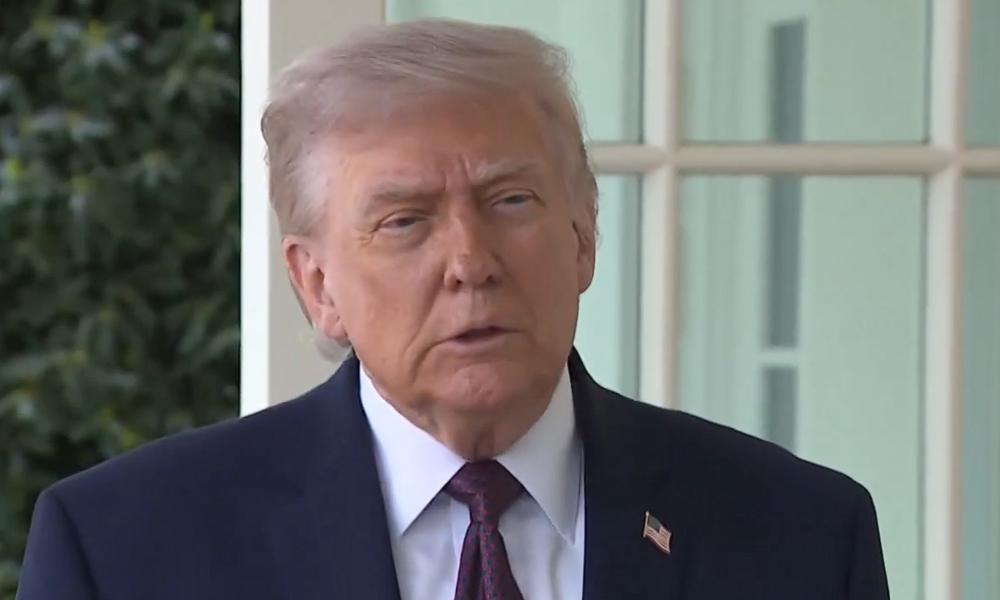
In a 12-post dump, WikiLeaks “revealed” Usaid as an alleged instrument of US economic warfare and media control.
What it presented as an exposé, however, was largely old or publicly available material repackaged as revelations about the world’s largest aid agency.
Fringe narratives to mainstream
The narratives swiftly moved from the fringes to a mainstream viral assault that helped erode public trust in non-profits and independent media across the world.
Musk and his now-defunct Department of Government Efficiency (Doge), which acted as a pseudo-official arbiter of what counted as a funding “waste”, propelled them to a mass audience, with posts reaching millions and billions of views during the monitoring period.
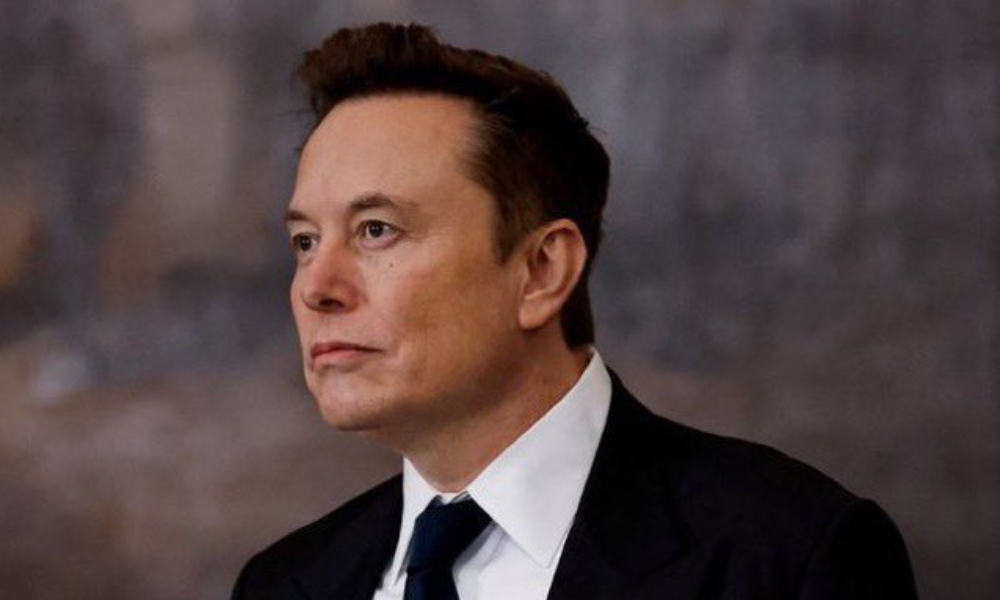
Other amplifiers include partisan commentators like Mike Benz of the Foundation for Freedom Online and news aggregator Mario Nawfal, sham accounts mimicking Doge branding, and smaller accounts that posted once and then never spoke on the topic again.
Russian state outlet Russia Today and China Everything, a YouTube channel run by the People's Daily, the official newspaper of the Chinese Communist Party, also appeared in the data as amplifiers.
The posts analysed for this report represent a curated sample selected based on engagement and relevance, not a comprehensive record. The actual volume of anti-Usaid content across all four platforms was likely far greater. Limitations in measuring reach varied by platform.
How the bombardment unfolded
The campaign achieved a massive global reach through sheer volume and high-profile amplification, timed around the start of Trump’s second term and the rise of Doge, which had Musk as its de facto head.
By Feb 23, 2025, the Trump administration had placed Usaid personnel under administrative leave.
As early as November 2024, Musk began criticising independent media receiving foreign aid from Usaid and characterised their work as a “corrupt propaganda machine to push the ‘woke agenda’.”
This rhetoric coincided with Trump’s presidential bid, which hinged on an isolationist foreign policy that put intense and unwarranted scrutiny on Usaid for allegedly funding “leftist” and “woke” initiatives across the world - including programmes based in Asia.
This was followed by a frenzy of baseless criticisms and manufactured narratives vilifying Usaid’s funding of media and civil society groups, which spread across nearly all social media platforms.

X - the epicentre of the campaign - featured 167 posts from 61 accounts collected between November 2024 and March 2025, generating a staggering 1.69 billion views.
Musk was the undisputed engine of the bombardment, accounting for 98.7 percent of the engagement on the platform he owns. February logged the highest number of posts, with 44 from the first week alone, including the supposed WikiLeaks exposé.
The narratives then spilled over onto video-sharing platforms, reaching mainstream and alternative media audiences.
On YouTube, English-language channels like BlazeTV (2.2 million subscribers) and Tim Pool (1.47 million subscribers) amplified the claims, alongside massive Indian networks such as NMF News (22.7 million subscribers) and Republic World (7.53 million subscribers).
Meanwhile, TikTok functioned as the campaign’s emotional fast lane, further fuelling the “funding waste” narrative into short-form, viral content.
The posts reviewed by the team showed a heavy reliance on recycled clips from right-wing commentators like Joe Rogan, Musk, Jesse Watters, and pro-Trump commentary ecosystems, often reposted with minimal added context beyond captions about “wasteful spending”, “media corruption”, or “taxpayer money”.
At least 13 videos used similar framing and repeated familiar examples of supposedly absurd or suspicious grants, but without the broader policy or programme context behind them.
Unlike X, where narratives were often seeded through threads, quote posts, and pseudo-document dumps, TikTok compressed the same claims into highly digestible short videos designed for outrage and repetition.
Its role in the ecosystem was not to break the story, but to make it feel intuitive, entertaining, and scandalous enough to spread.
Apart from social media, the investigation also identified 48 web articles carrying similarly worded headlines that cited the same WikiLeaks thread, between Feb 8 and March 31.
These outlets ranged from overtly partisan platforms like Infowars and Zero Hedge, to state-owned and -aligned publications like Anadolu Agency, The Patriot, and BakuInform, to fringe pages on Substack and blogspot.
While the majority of the articles were in English, some appeared in Chinese, Hindi, Portuguese, French, Russian, Spanish, Azerbaijani, and Czech.
The kernel of truth
Weaponising grains of truth became the campaign’s most effective technique. Rather than fabricating information entirely, it exploited the public’s lack of knowledge about complex grant structures by taking real documents without including relevant context.
An analysis of nearly 300 posts across platforms showed that two in five referenced real documents or contracts but stripped them of context to make them sound scandalous.
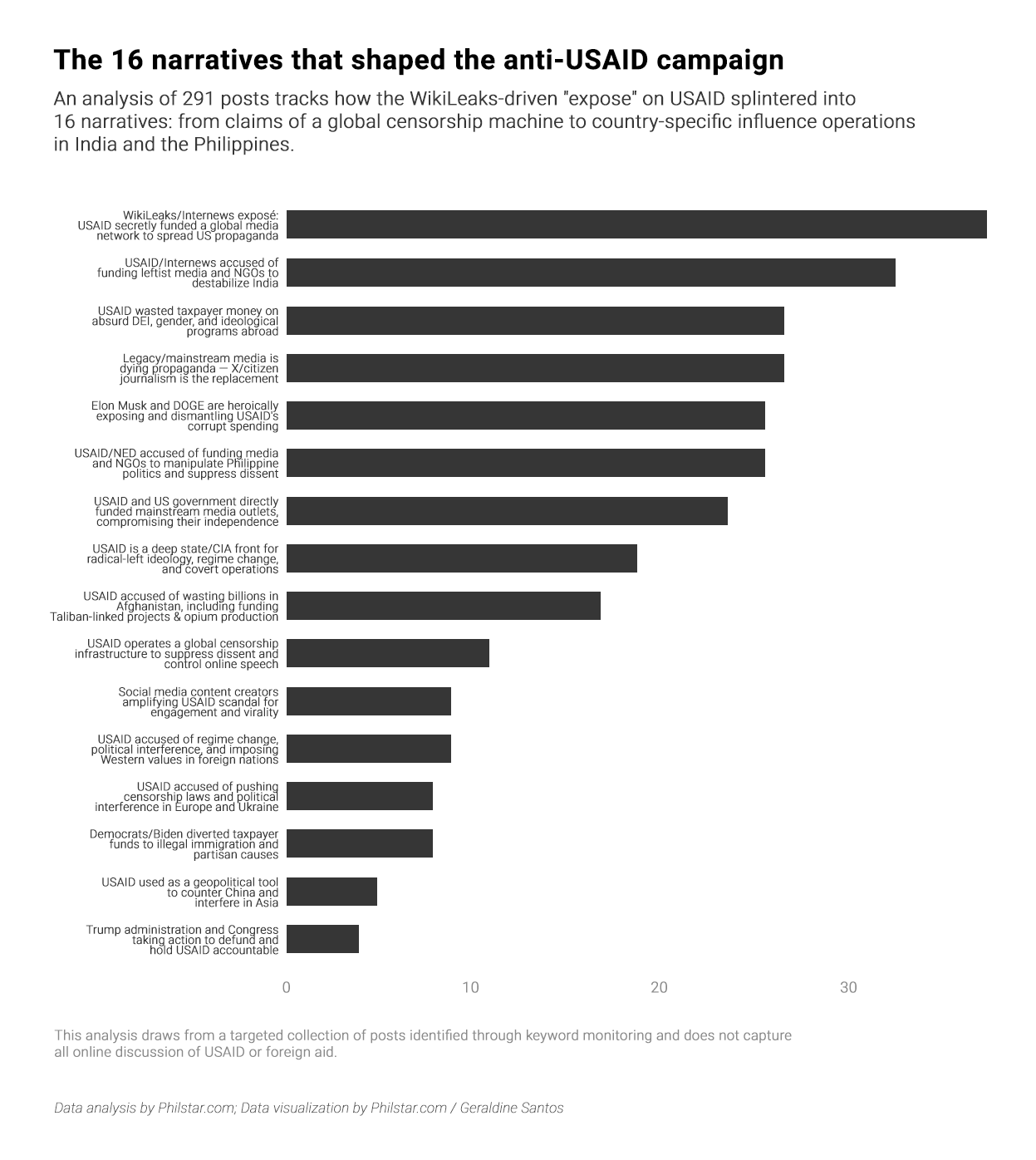
Among the top targets was Internews, whose training programmes for journalists and other democracy-building grants were portrayed as part of a “global media censorship agenda”.
The accounts drew on legitimate data from USAspending.gov to show that Internews’ awards totalled more than US$400 million (RM1.5 billion) from 2008 to 2025, presenting the figure, with no explanation of how foreign aid grants work, as proof of shadowy activities tied to “regime change narratives”.
Internews US CEO Jeanne Bourgault was also subjected to these attacks. On Feb 12, WikiLeaks posted that Bourgault was “secretly married” to Usaid specialist Ray S Jennings, framing a personal relationship as evidence of institutional corruption. The post earned 291,000 views based on our monitoring.
That playbook echoed across the region and beyond.
In India, the collaborative news literacy initiative, FactShala, run with the Delhi-based digital media and tech company DataLeads, was accused of being a “well-coordinated effort to manipulate narratives, influence journalism, and create a left-dominated ecosystem”.
On Feb 11, WikiLeaks claimed in another thread that “Usaid/Internews and US foundations compromised the independence of the Indian left”.
In the Philippines, journalist Maria Ressa and Rappler were labelled a “CIA/NED-backed censorship arm”.
A columnist also claimed that the private non-profit foundation National Endowment for Democracy had funnelled “tens of millions of pesos” to five media outlets purportedly in violation of the constitutional prohibition on foreign ownership of media and to covertly propagate US interests.
In Myanmar, Usaid’s US$45 million (RM178 million) for scholarships for vulnerable youth became one of the campaign’s most recycled exhibits of alleged waste, cited in at least eight posts by the @dogeai_gov account alone.
In Afghanistan, a documented US$1.46 billion (RM5.7 billion) failure in Usaid’s opium-reduction programmes - drawn from real inspector-general audits - was inflated into claims that the agency had deliberately bankrolled heroin production and CIA drug operations, a conspiracy theory repeated across at least 14 posts in the dataset.
Supposed evidence
Each post cited something factual or real, such as a military document, a marriage record, an embassy statement, or an internal policy. Each framed this as supposed evidence of covert manipulation.
Ironically, in some cases, organisations that were transparent about their programmes' funding source - in this case, Usaid or Internews - were used to further the narrative that they were being used to covertly indoctrinate foreign populations and spread propaganda.
And the reverse is also true: where allegations of "secret" connections - such as a non-disclosed marriage between organisation leaders or the reported scrubbing of data from the Internews website - were presented as definitive proof of a "censorship industrial complex" attempting to evade public scrutiny.
Either way, openness and opacity were both made to look like guilt.
The data strongly hints at a possible interconnected network of actors that work hand-in-hand to launder fringe and conspiracy theories into global news and statements of fact.
First, there are figures like Benz and Nawfal who seeded claims by feeding the algorithm with dense, conspiratorial threads on X.
Then, with his reach and control of X’s algorithm, Musk quote-tweeted others’ threads at least 17 times and paired them with inflammatory one-liners. For example, he called Usaid a "criminal organisation" or a "psy op", and gave these fringe narratives the veneer of credibility.
Legitimacy was also manufactured through accounts using Doge branding and official-sounding usernames, such as @dogeai_gov and @defense_civil25, that posted formatted tweets made to resemble official government reports.
Lastly, the claims extended seamlessly into Asia, where local actors adapted US-centric narratives to attack local independent media and civil society.
What the bombardment left behind
While Musk and his cohort pounded social media with claims on Usaid's supposed crimes, at the same time, in early February 2025, a 71-year-old refugee was sent home from a US-funded clinic at Umpiem Mai camp on the Thai-Myanmar border.
The hospital had been ordered shut under Trump’s aid freeze. She died four days later. Her daughter told Reuters: "I had to tell her that there is no hospital."
On July 1, 2025, Usaid officially ceased operations - over 5,000 programmes valued at US$75.9 billion (RM302 billion) had been terminated, and fewer than 900 remained.
A Lancet study published in February estimated that the worldwide rollback in development aid could cause 9.4 million excess deaths by this decade's end.
In the nearly 300 posts analysed for this investigation, not one drew the same level of pushback from the Asian organisations under attack.
None of the groups mounted a well-publicised counter-narrative on the platforms where these claims reached billions of views, an endeavour that would have required substantial staff and funds. The bombardment went unanswered.
For rights groups across the Asia-Pacific, though, the foreign agent playbook was already well-worn. Cornelius Damar Hanung, programme manager at the Asian Forum for Human Rights and Development or Forum-Asia, said the tactic long predates the Musk-era campaign.

"The narrative of foreign interference and foreign agent has been increasingly used since 2019," he said, pointing to Hong Kong's protest crackdowns and Covid-19-era information controls as the moments when Asian governments began deploying the label to shut down dissent.
What changed in 2025, Hanung said, was that Washington started speaking the same language.
"What's happening in the US is sort of like trying to copy governments in Asia in terms of sustaining the narratives of a foreign agent," he said.
This is Part 1 of a cross-border investigation by Philstar.com, PressOne.PH, Malaysiakini, DailyGuardian, and independent journalist Nica Hanopol.
Disclosure: This story is supported by the Indo-Pacific Media Resilience Programme, an Internews initiative designed to contribute to the overall goal of strengthening the capacity of media outlets and journalists in the region. Internews had no input into the reporting or production of this report and its sidebar stories. - Mkini

No comments:
Post a Comment
Note: Only a member of this blog may post a comment.