


The political landscape heading into the 16th general election (widely speculated for late 2026) is increasingly characterised by widespread voter disappointment, dissatisfaction with the status quo, and a fatigue of the familiar.
As the unity government (Pakatan Harapan-BN) and the Perikatan Nasional opposition grapple with internal dissension, a missing or diluted reform agenda, and the loss of public confidence, a vacuum has opened for a third force in the coming polls.
Here is how rakyat disenchantment is providing an opening for independent candidates and third-party movements:
1. The ‘compromise’ fatigue
The current unity government, while stable, has had to prioritise coalition survival over the radical reforms promised during the “Reformasi” era.
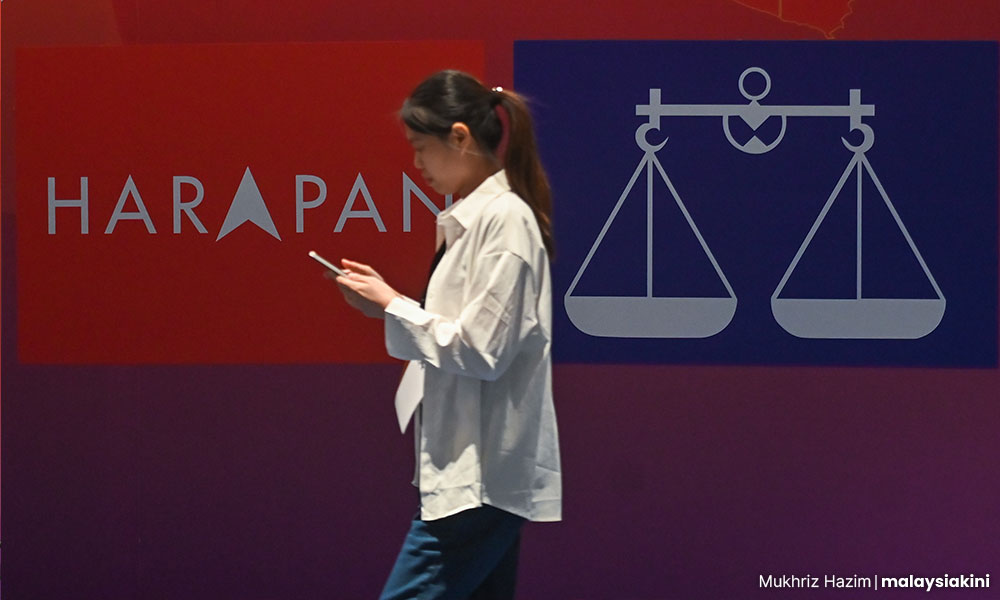
The reform gap: For many urban and liberal voters, the slow pace of systemic change (eg, the repeal of restrictive laws, GLC reforms, and financial and political corruption concerns) has created a sense of betrayal.
Rural voters are equally disappointed with the growing number of corruption cases amidst rising cost of living, income stagnation and other economic pressures.
The opportunity: Third-party and independent candidates who run on an “integrity and reform” platform - unencumbered by the need to appease coalition partners within the ruling government or opposition - could capture a sizable chunk of voters who feel the 2022 electoral promises made by the two coalitions were simply electoral propaganda.
2. Fractured traditional coalitions
Internal friction within the main blocs is at an all-time high.
Harapan-BN Tensions: Strains between DAP and PKR, and the growing inclination of some Umno factions to strike out on their own, signal a messy election.
The latest imbroglio in Negri Sembilan is evidence not only of Umno internal friction but also of PAS and Bersatu opportunism.
PAS leaders have quickly hailed the move as a return to “Malay-Muslim unity”, signalling a readiness to revive the Muafakat Nasional spirit with Umno.

Despite holding only five seats, PN has offered to form a state government with Umno, with the clear aim of fracturing the Harapan-BN alliance permanently.
Opposition infighting: Far from providing the principled and effective “Green Wave” governance and leadership that can appeal to a larger national electorate rather than just their Malay/Muslim supporters, Bersatu and PAS are now facing their own leadership questions and shifting alliances that will weigh heavily against them in the coming election.
The opening: In seats where there is the customary ruling and opposition battle or where traditional allies might clash, turnout for traditional parties could see sharp declines due to voter disillusionment and disenchantment.
A credible third-party candidate (including those from Parti Socialis Malaysia, Muda, smaller parties, and PKR and Bersatu dissidents espousing a non-racial identity and reformist ideology) could slip into political reckoning through the middle.
At the very least, they should be able to avoid the “loss of deposit” stigma plaguing earlier third-party candidates.
3. The rise of ‘state-first’ and ‘local’ sentiments
Success in recent state elections (particularly in Sabah) shows that voters are gravitating toward localism.
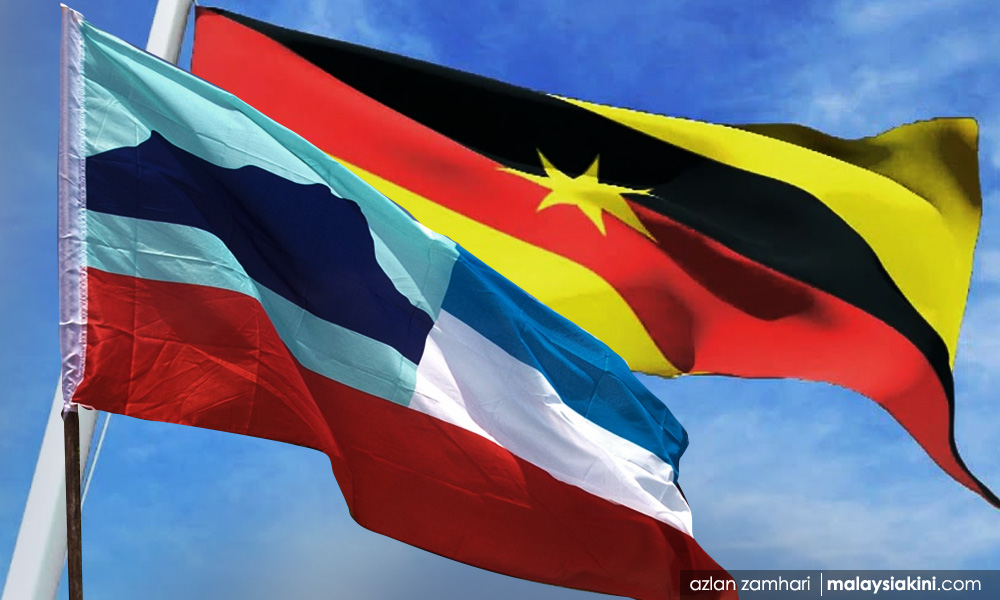
The narrative: The “Sabah for Sabahans” or “Sarawak First” sentiment is more than a rejection of federal-centric politics.
The opening: This provides a blueprint for third forces in Peninsular Malaysia to champion decentralisation and regional issues, moving away from the Malay vs Non-Malay binary that dominates national discourse.
It would also provide an opportunity to advocate for the return of local government elections in urban centres.
Finally, it would also help bring about the long-needed reform in constituency redelineation to ensure the equality of voter representation.
This will correct the gerrymandering with which earlier governments were able to win power through unconstitutional malapportionment.
4. Undi18 and the youth factor
The youth vote remains the most unpredictable demographic. They are less bound by historical party loyalty and more sensitive to cost-of-living issues.
Economic disillusionment: With the middle-income trap and inflation persisting, younger voters are looking for technocratic and economic pragmatic solutions rather than ideological rhetoric.
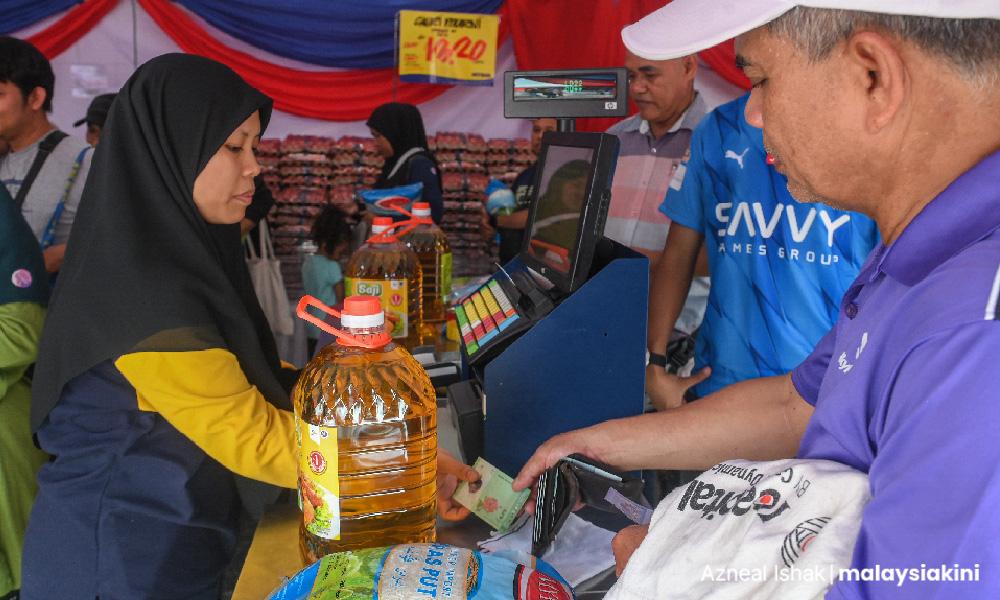
Many may still have mindsets and political views shaped by racial and religious bias. This is where third-party candidates could face a disadvantage.
However, if their candidates are from the younger generation, they can help reshape the electoral agenda for the country even if they end up on the losing side.
The opening: A third force that focuses strictly on economic pragmatism and digital-first governance could resonate with a generation that views both Harapan and PN as old guard politicians.
Independent social media influencers can help spread the electoral manifesto and agenda of third force candidates.
Challenges to the third force
While the opening exists, the structural barriers remain formidable.
First-past-the-post system: This system favours large, resource-rich coalitions. Independent candidates and third-party parties on their own often end up splitting the vote rather than winning.
The smaller parties being wooed by the two dominant coalitions should realise that they will be more effective outside rather than within the existing coalitions.

Financial muscle: National campaigns require considerable funding for machinery, which independent candidates lack compared to the government or PN.
A credible third force grouping should be able to attract funding from the public looking for alternatives that can help bring the change they want their children to inherit.
Also on the side of the third force entry will be many NGOs, ignored or snubbed in their efforts to better the country’s socio-economy.
Lack of a prime minister candidate: Malaysians often vote for a coalition based on who will lead the country. A third force may appear handicapped without a clear, nationwide leadership figure.
However, a small united group of prominent activists and younger leaders can serve as an attractive alternative.
Pairing younger leaders with seasoned activists and economic experts can counter the “inexperience” narrative used by the old guard.
The bottom line: For a third force to succeed in GE16, it must move beyond being a “protest vote”.
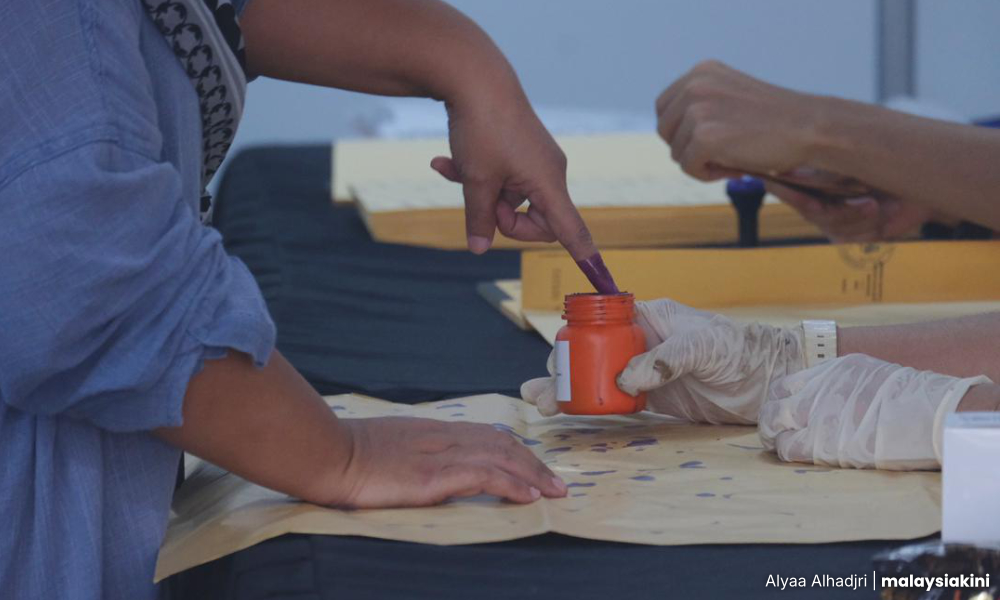
It needs to form a loose but cohesive alliance of independents and small parties - a new Himpunan Rakyat - that provides a credible progressive alternative to the ideological deadlock of the two main blocs.
A potential game-changer
GE16 is predicted to be a fragmented election, possibly resulting in a hung Parliament. In this scenario, a small third force with eight-12 seats could punch far above its weight as a positive disruptor on critical issues as well as become a potential kingmaker.
It could, for example, express its support for a coalition that commits to specific reforms, such as an Independent Boundaries Commission for redelineation or fixed-term parliament legislation.
Even if the loose alliance proposed here does not win many seats in the coming election, it can leave an indelible impact on the country’s political development.
This is because it can disrupt the long-standing ethnic-based and religious paradigm by emphasising, through its electoral manifesto, the key and fundamental position that is crucial for safeguarding and advancing the nation’s progress: that Malaysia is, and must remain, a secular state.
Malaysian politics can enter a new era if it can break from the ideological deadlock of the two dominant players and the current 2R (race and religion) paradigm.
A third force is also needed to position itself as the guardian of the nation’s founding constitution, which has been steadily whittled away. - Mkini
LIM TECK GHEE is an economic historian, analyst, and former senior official with the United Nations and World Bank.
The views expressed here are those of the author/contributor and do not necessarily represent the views of MMKtT.

No comments:
Post a Comment
Note: Only a member of this blog may post a comment.