


Every Labour Day, the speeches come. The gratitude. The garlands. The minister at a podium somewhere, voice thick with feeling, praising the backbone of the nation.
This year, the backbone got an additional gift.
On April 29, three days before Labour Day, in case the timing wasn’t insulting enough, the Finance Ministry ordered RM10 billion in cuts. Essential services slashed by 10 percent. Statutory bodies by 20 percent. Hiring frozen.
The reason? A fuel subsidy crisis triggered by geopolitical storms far beyond our shores. “Nothing to do with us, the government. Terribly sorry. Do carry on.”
Except…
While workers were being told to tighten their belts, Malaysia’s 50 richest billionaires grew their wealth by RM103 billion in a single year. One year! Their combined fortune now sits at RM458 billion and is projected to grow by another 39 percent by 2031.
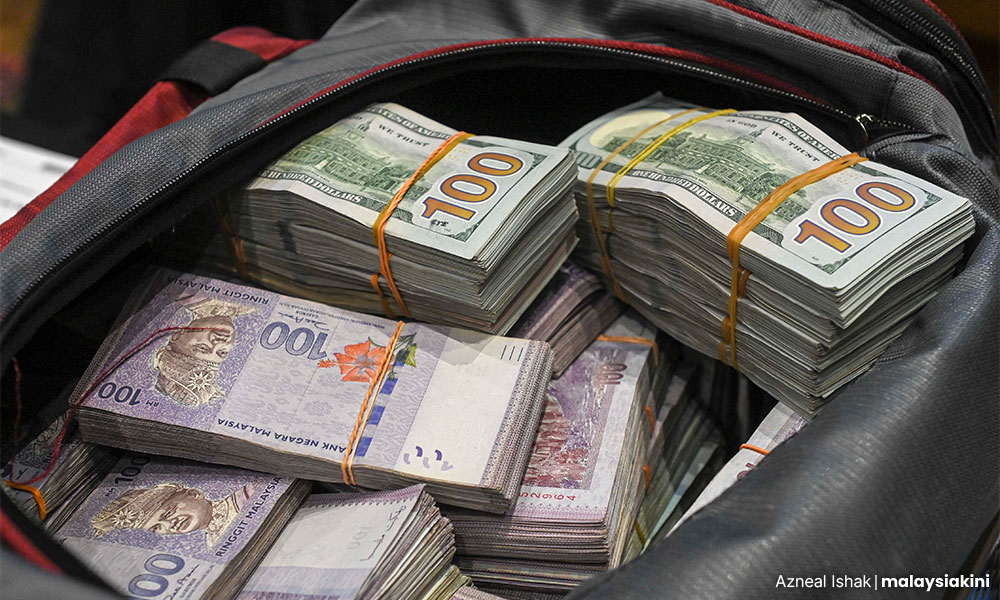
This is not a crisis of scarcity. This is not an act of God. This is a political choice, made deliberately, by people who will never wait six months for a hospital appointment.
Let that sink in. At Hospital Kuala Lumpur, patients are waiting half a year to see a doctor. Six months during which conditions worsen, sight is lost, and lives end.
And the government’s response is to cut RM3 billion from health and RM2.4 billion from higher education - in a country where a two percent wealth tax on the richest billionaire alone would generate over RM1 billion.
Applying that same two percent across the top 100 would cover the entire RM10 billion shortfall without cutting a single ward, classroom, or meal programme.
Shrinking middle class
The mathematics is not complicated. The politics are not mysterious. For every ringgit the Malaysian economy produces, workers take home 33 cents. In the US, they take 52. In Germany, 55.
The middle class is not growing. It is being slowly hollowed out while nearly half of Malaysians cannot scrape together RM1,000 in an emergency, and 81 percent of EPF contributors are likely to retire in poverty.
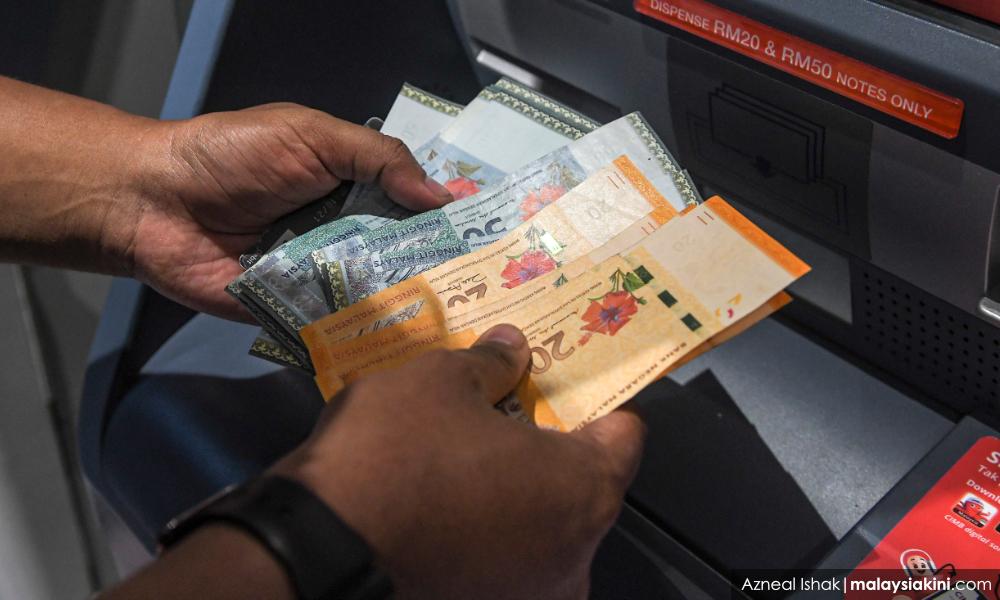
The smallholders, fisherfolk, and farmers already paying RM5.97 a litre for diesel, are now watching the agencies meant to serve them take a 20 percent cut.
And let’s be clear about how Malaysia’s billionaires built their fortunes. State-backed contracts. Tax incentives. Subsidised financing. Public money. The public took the risk. The super-rich took the profit.
It is not socialist rage to suggest the top one percent now pays a fair share. It is the same rage, cold, clear, and completely justified, with which I say, implement the wealth tax. Now.
So here we are. Labour Day 2026. Speeches are made. Workers are praised. And somewhere, a billionaire’s wealth will grow by another few million before the day is out.
The garlands were lovely, though. - Mkini
CHARLES SANTIAGO is a former Klang MP, former chairperson of the National Water Services Commission (Span), and co-chair of the Asean Parliamentarians for Human Rights.
The views expressed here are those of the author/contributor and do not necessarily represent the views of MMKtT.

No comments:
Post a Comment
Note: Only a member of this blog may post a comment.