


Every World Refugee Day, organisations serving refugee communities try to capitalise on the heightened media appetite the day brings to publish stories on the plight of the Rohingya.
This year, it is a little different.
Almost everyone I have spoken to in Malaysia, whether from within or outside of the humanitarian space, is aware of the ongoing wave of extreme misinformation, disinformation, and hate speech being directed at the Rohingya.
But what do you do when some media outlets themselves are perpetuating the very same narratives? One news editor at a leading local language outlet even referred to the Rohingya community as “human barnacles”.
Lack of moderation and algorithmic amplification of dehumanising language can lead to real-world repercussions – we saw the worst of it in Myanmar in 2017.
In the past week in Malaysia, we have started seeing signs; Rohingya children are being chased and taunted, and social media users are calling on others to slap any Rohingya individual they encounter.
How will they protect themselves?
Common claims and reality
“Why do they have so many kids?”
When provided with sexual and reproductive health education and support, we have seen a steady increase in requests for family planning services.
Like everyone else, the Rohingya community, after decades of systemic oppression, simply needed education, access to healthcare, and the agency to make their own choices.
“They are unhygienic”
What would you choose if you had to pick between food and a bar of soap? Most Rohingya refugees are surviving based on inconsistent, underpaid, exploitative, and often dangerous, informal work.
The government’s current initiative to allow refugees to work is a good step forward in curbing this. However, its implementation is still a work in progress.
“Go back to where you came from”
Most, if not all, of those who fled Myanmar actually want to go home. They want to return to their villages.
Some never chose to come here at all: they were kidnapped, their families extorted for ransom. Among the trafficked victims we have seen: a child forced into labour, a woman who experienced sexual violence and became pregnant, and a young girl who witnessed her mother being burnt alive.
Media must do better
We welcome Home Minister Saifuddin Nasution Ismail’s acknowledgement that Malaysia cannot act on emotion, and that the people arriving here do not have many choices.
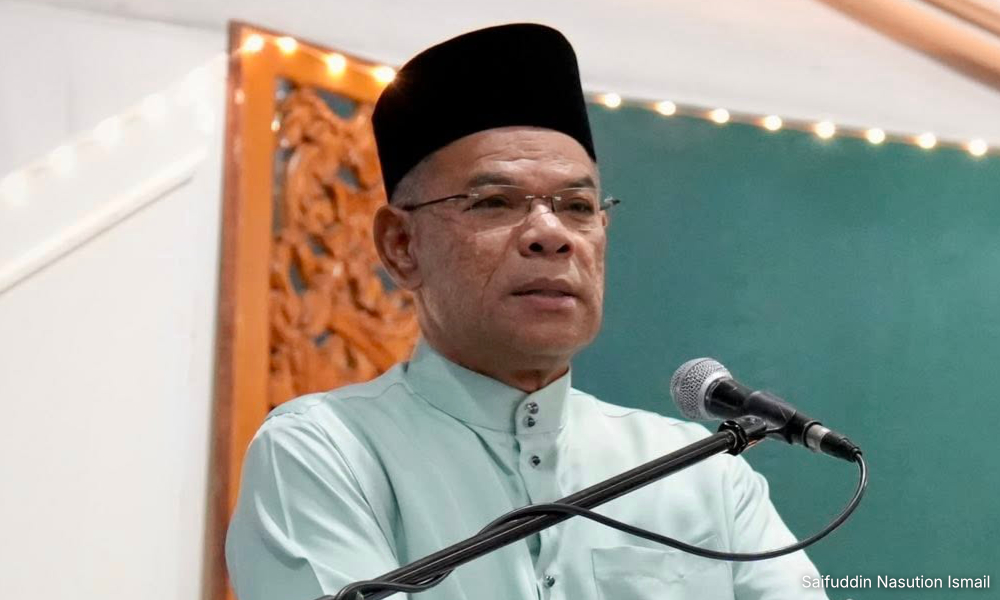
They are fleeing conflict, oppression, and destruction in their countries of origin. Acknowledgement from officials, however necessary, is not enough when public discourse has reached the point where comment sections explicitly call for people to be burned, raped, enslaved, or shot “like crows”.
This is not acceptable.
The MCMC should have stepped in by now. Media outlets, in particular, must do better. What circulates online is a fraction of reality - but when that fraction is all people see, it becomes the whole picture.
The reality on the ground is different, and we hear this directly from our patients: many Malaysians do go out of their way to help those in need, regardless of race or religion.
However, these are rarely the people leaving comments that incite violence against fellow human beings.
So, our only ask is this: if you have a platform of any kind - Facebook, Instagram, a Threads account, a comment section, or a group chat, use it with facts and empathy.
Question content that feels repetitive and engineered to create outrage. Be cautious of AI-generated images and bot networks amplifying repetitive narratives.
This is increasingly how anti-Rohingya sentiment spreads online, then in everyday life, exploiting the reach that polarising content often gets.
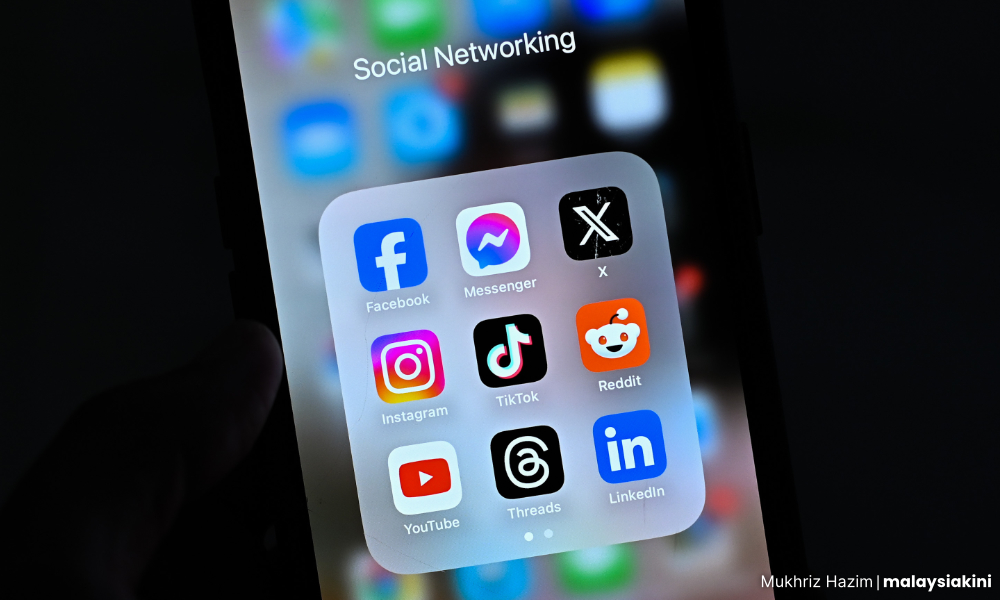
Share and amplify verified content that informs - not speculative, dehumanising, and inflammatory content.
And I leave you with a few lines from my son’s book about kindness by Alison Green:
“Sometimes people have lived through very hard times. They’ve had to leave their homes and their countries because of danger. They are brave and amazing and have extraordinary stories to tell. Everyone is valuable, and we all have gifts to share.”- Mkini
JASNITHA NAIR is the field communications manager with Doctors Without Borders in Malaysia.
The views expressed here are those of the author/contributor and do not necessarily represent the views of MMKtT.

No comments:
Post a Comment
Note: Only a member of this blog may post a comment.