


The education ministry remains committed to a balanced approach as technology becomes more integrated into teaching and learning.
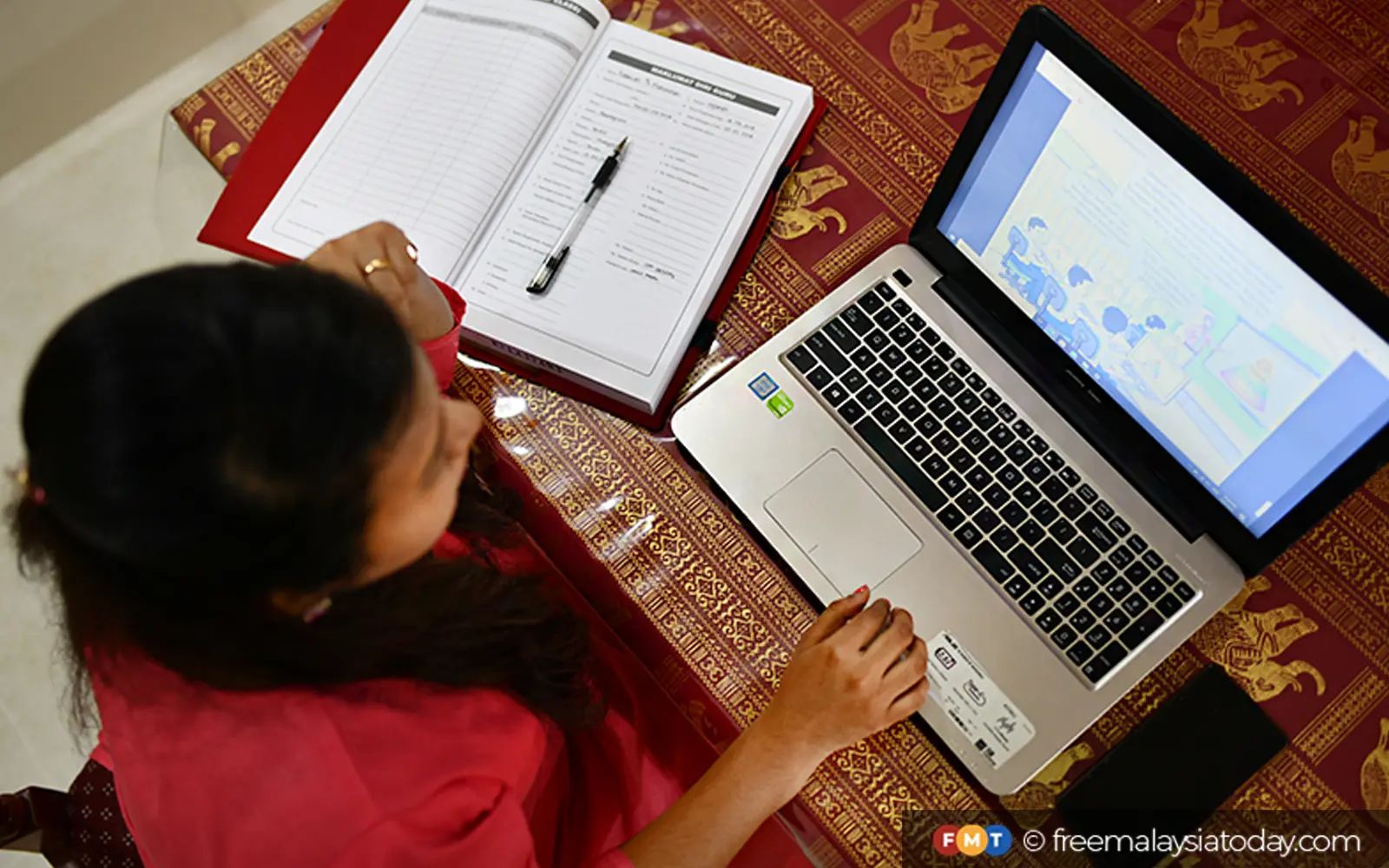
This approach is meant to strike a balance between the screen and the time-tested tome, according to Aniza Kamarulzaman, director of educational resources and technology division at the education ministry.
“We don’t want schoolchildren to rely 100% on digital textbooks,” she said in response to concerns over the impact of excessive screen time on social interaction and wellbeing.
The government remains committed to a balanced approach even as technology becomes more integrated into teaching and learning, Aniza said during a panel discussion at the Responsible Technology Conference themed “Progressive Childhood in the Digital Age” here on Monday.
At the same time, students in remote and underserved areas will not be left out of the e-learning process. Aniza said the government will continue to expand the Network Offline Digital Environment (Node) facility so even those without internet access can get access to digital learning resources and artificial intellligence-powered tools.
Yayasan Guru Tun Hussein Onn had recently allocated RM1 million to expand Node coverage to schools in rural areas and island communities, according to a Bernama report.
“We are working very closely with the foundation and many others who have invested in Node. We want to ensure that no child is left behind,” Aniza said.
Challenges outside the classroom
Teach For Malaysia CEO Chan Soon Seng welcomed efforts to expand access to digital learning but cautioned that educational technology is not a silver bullet for the challenges that Malaysia’s education system faces.
“Technology, at the end of the day, is just a tool,” he said. On its own, it will not close learning gaps, particularly among students from low-income families, he added.
According to Chan, many children continue to face barriers beyond technology’s ability to solve, such as poverty, food insecurity and financial pressures at home.
He said students learn best when they feel safe and secure, but many from disadvantaged backgrounds are often preoccupied with challenges outside the classroom, making it harder for them to make learning a priority.
“The role of a teacher or any person who understands the issues surrounding a child and empathises with them becomes absolutely critical,” he added.
With AI becoming increasingly common, Chan said, schools should place greater emphasis on developing students’ humanity, agency and critical thinking skills.

Support for Bahasa Melayu
Google for Education said it will include Bahasa Melayu in its Read Along application in support of the education ministry’s preparations for the 2027 school curriculum to strengthen literacy and proficiency in the language.
The Read Along app is currently available only in English.
Its country lead, Danial Azizan, said technological tools should support teaching and learning rather than drive them, adding that education should remain focused on pedagogy, not just technology.
He added that AI should reduce teachers’ administrative workload, freeing up more time for classroom engagement and face-to-face interaction with students. - FMT

No comments:
Post a Comment
Note: Only a member of this blog may post a comment.