


PARLIAMENT | A parliamentary special select committee (PSSC) has urged the police to improve their handling of sexual violence cases.
The call follows the PSSC on Women, Children and Community Development's review of the government's One Stop Crisis Centres (OSCC), which uncovered shortcomings in the police's response to sexual crime reports.
OSCCs are located at government hospitals and where domestic violence or rape survivors can receive treatment, collect medical evidence for legal purposes, lodge police reports, seek shelter and receive counselling services.
Among its findings, the committee said many frontline police officers were not adequately trained to handle sexual violence cases, resulting in victims receiving incorrect advice.
It pointed to an incident where a rape victim was told by the police to return home and shower before undergoing medical examination.
It also found that victims whose cases spanned multiple police districts were often referred from one police station to another, causing unnecessary delays and added distress.

"The committee took the issue of delays and inconsistencies in the police response in handling OSCC cases seriously.
"Among the issues raised were delays in police officers arriving at hospitals, confusion over cross-district and cross-state cases, victims being referred from one police station to another, third-party reports from NGOs not being accepted, as well as some frontline officers' lack of understanding of procedures in handling victims of sexual violence," said PSSC member Rodziah Ismail during a briefing session in the Dewan Rakyat earlier today.
Lack of accountability
Other issues raised by the committee included the lack of accountability for officers who fail to respond appropriately to referrals from the OSCCs, as well as the absence of a dedicated police liaison officer to serve as a quick point of contact for the centres.
Rodziah, who is also Ampang MP, said they are suggesting the police take several measures to overcome the shortcomings.
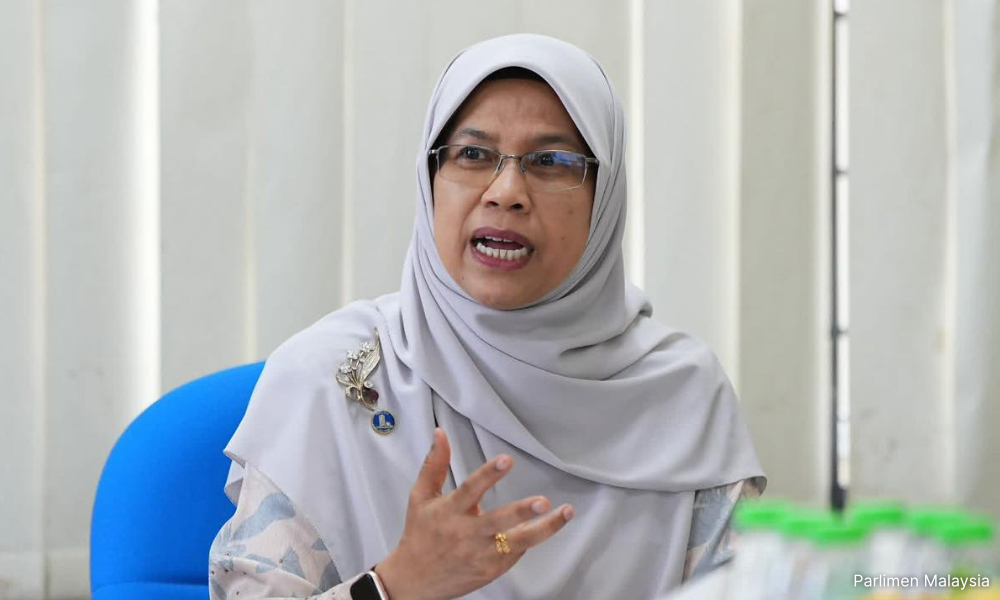
These include appointing an OSCC coordinating officer in every district police headquarters with sufficient authority to direct immediate action; establishing clear procedures for cross-district and cross-state cases; and setting a maximum timeframe for police officers to attend every OSCC case after receiving its report.
The latter is to ensure that forensic examinations and investigative procedures are not delayed, she said.
"Improve the facilities and systems required to enable victims to lodge reports immediately at the OSCC.
"Strengthen mandatory training for frontline police officers on handling OSCC cases, sexual violence, domestic violence and child abuse, particularly for those stationed at police stations and hospitals," Rodziah added.
Weak protections for victims
Besides police, the PSSC also highlighted issues involving other agencies and suggested improvements.
According to Rodziah, the committee found that continuity of victim protection after hospital treatment remained weak, particularly in terms of the Welfare Department's response outside office hours.
It found that in some cases, victims or children had to remain in hospitals for prolonged periods because arrangements for protection, temporary placement or action had not been resolved promptly.

To resolve this, it suggested the Women, Family and Community Development Ministry introduce an amendment to the Child Act so that dedicated protective officers can be placed at OSCCs, and increase the number of such positions, among others.
The PSSC also urged the Health Ministry to speed up its drafting of an OSCC guideline and develop an integrated database for OSCCs so that cases can be better managed and monitored. - Mkini

No comments:
Post a Comment
Note: Only a member of this blog may post a comment.