


Judicial commissioner Moh Kok Wai says the law does not allow innocent purchasers to inherit the financial failures of strangers.
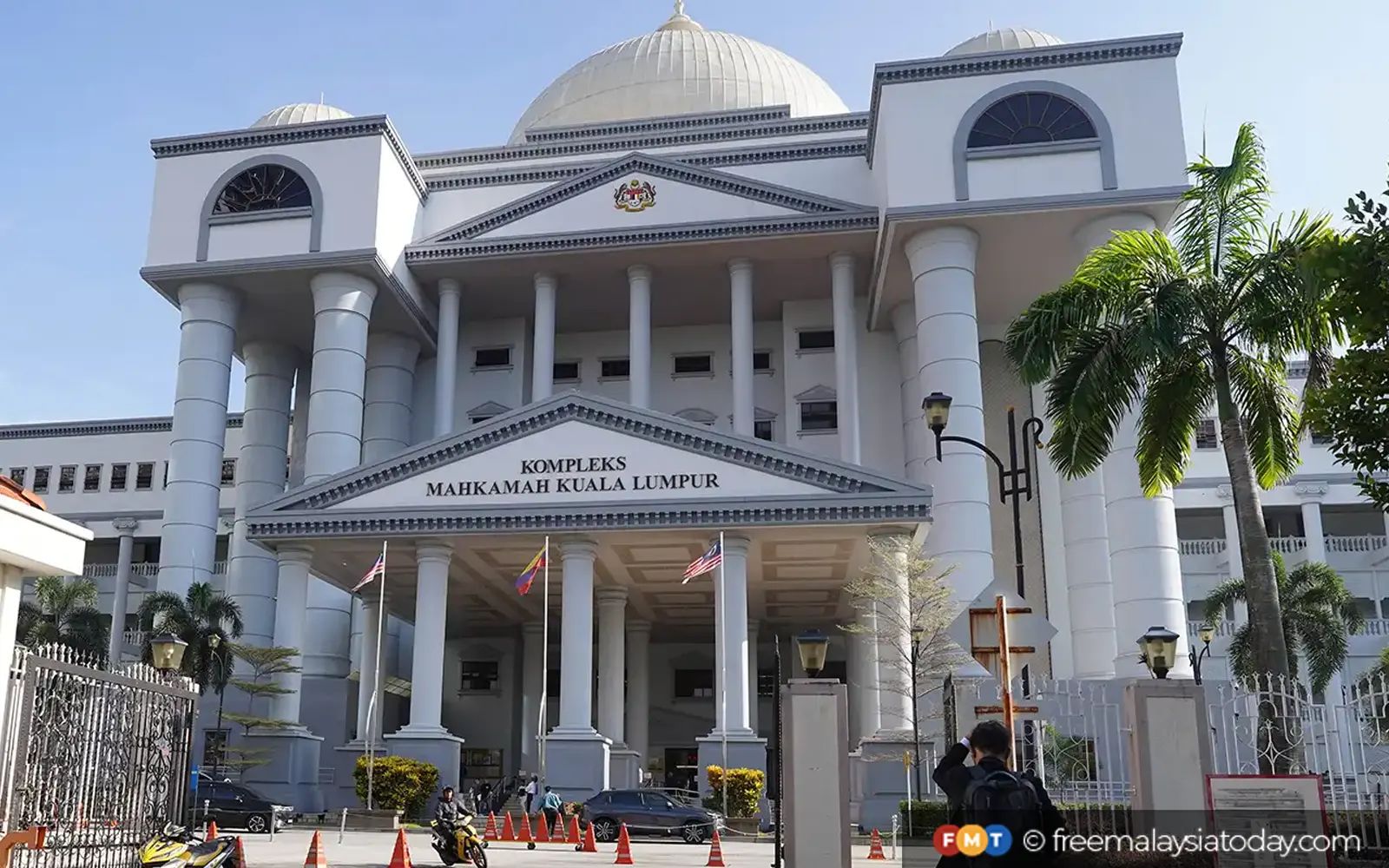
In a recent judgment with potentially far-reaching implications for court-ordered auctions, judicial commissioner Moh Kok Wai said the law does not allow innocent purchasers to inherit the financial failures of strangers.
He said imposing undisclosed historical liabilities on auction buyers would undermine confidence in court-supervised sales, which are meant to provide certainty and finality to purchasers.
The dispute involved the management corporation (MC) of Megan Avenue 1 here and Rajinder Singh, who bought an office unit through a High Court e-auction after the previous owner defaulted on the bank loan.
The unit belonged to Forward Wind Sdn Bhd, which accumulated more than RM126,000 in unpaid maintenance charges, sinking fund contributions and other fees. The company was wound up after becoming insolvent, leaving the MC unable to recover the outstanding sums.
Rajinder purchased the property for RM1.62 million at the court auction in January 2024 and became its registered owner several months later. The MC subsequently demanded that he pay more than RM182,000 in arrears incurred by the previous owner.
The MC sought a declaration that Rajinder, as the purchaser and alleged successor-in-title under the Strata Management Act 2013, was liable for the outstanding maintenance charges and sinking fund contributions accumulated by the previous owner.
Rajinder argued that because he acquired the property through a judicial sale ordered by the High Court, he should only be responsible for maintenance charges incurred after he became the registered owner.
The MC, however, contended that the outstanding charges followed the property and were recoverable from the new owner as a “successor-in-title”.
Not within definition of ‘successor-in-title’
The judge held that Rajinder did not fall within the definition of “successor-in-title” under the Act because he acquired ownership through a court-ordered foreclosure sale rather than a voluntary transfer from the previous owner.
Moh said interpreting the law otherwise would unfairly burden innocent purchasers with debts they neither created nor had any realistic opportunity to avoid, even though they had no contractual relationship with the previous owner and no actual knowledge of the arrears.
Although the court acknowledged that the MC and the other parcel owners would ultimately bear the financial consequences of the previous owner’s insolvency, Moh said those losses could not simply be transferred to an unrelated third party.
“The law, in my judgment, does not permit such a crossing,” he said, adding that the Act “was enacted to bring order to communal living, not to ensnare innocent third parties in the financial wreckage of strangers”.
The court dismissed the MC’s originating summons with RM10,000 in costs to Rajinder.
N Vanaja and Tan Jee Sern appeared for the MC while Harjinder Singh, M Tanusha and Premjit Singh represented Rajinder. - FMT

No comments:
Post a Comment
Note: Only a member of this blog may post a comment.