


Over the weekend, the Johor election saw Barisan Nasional winning 48 of the 56 seats in the State Assembly. Pakatan Harapan secured eight, of which six were won by the DAP and one each by Parti Keadilan Rakyat and Amanah. In the immediate aftermath, some have interpreted the result as evidence that BN has regained strong momentum ahead of GE16.
But Malaysian electoral history cautions us against drawing a straight line from one election to the next. We only need to look back four years ago. Then, BN too, recorded convincing victories in the Malacca state election in November 2021 and the Johor state election in March 2022. Many interpreted those results as evidence that BN had regained its dominance and was on course to return comfortably to federal power.
GE15 was held just months later in November 2022. Instead of a thumping BN victory, the coalition won only 30 of the 222 Dewan Rakyat seats — a far cry from the earlier victories in the two States. The polls also saw Datuk Seri Anwar Ibrahim, then regarded as Umno’s sworn enemy, being made Prime Minister.
The same lesson can be found further back in our history. Between the 2004 and 2008 general elections, BN won every by-election it contested. Yet in 2008, it lost its two-thirds Parliamentary majority for the first time since 1969, while the opposition captured five State governments.
These examples do not diminish Johor’s significance. They simply show that state elections, by-elections and general elections are fought under different conditions. Issues, candidates, turnout and alliances all vary, and these differences matter.
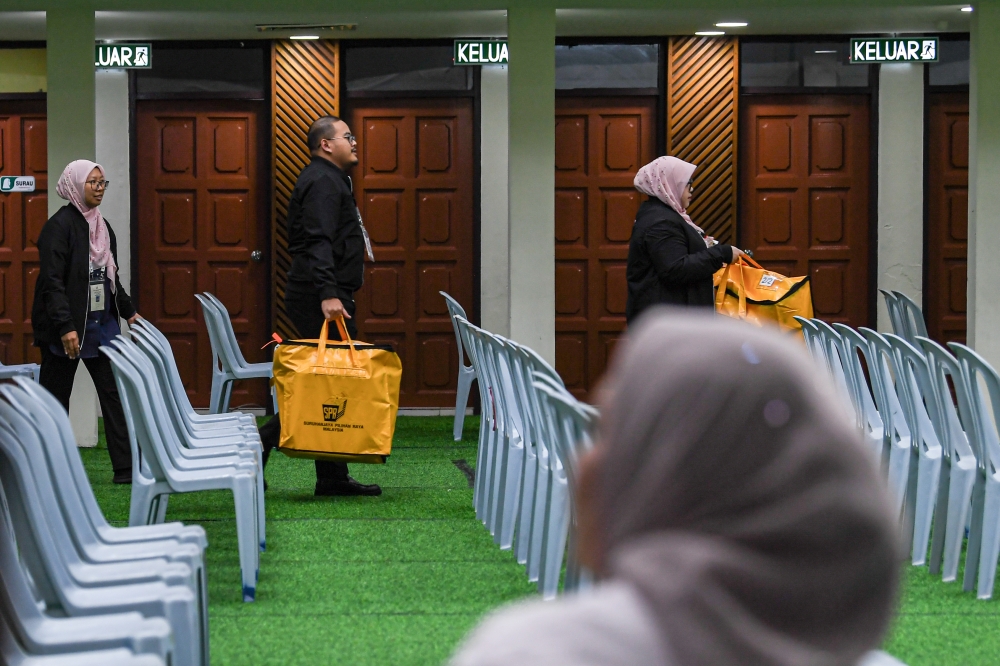
The Johor election itself had several distinctive features. Perikatan Nasional, especially PAS, did not contest several constituencies, creating electoral dynamics that differed from previous contests. There were also seats where a fragmented field affected the outcome.
In Perling for example, the votes secured by Bersama exceeded the margin by which DAP lost the seat. This does not mean those votes would automatically have gone to DAP, but it shows there are many factors that could affect election results.
From my own vantage point campaigning for DAP’s Skudai candidate Kartiyaini Jeyapalan, I was reminded that local organisation, candidate credibility and persistent groundwork still matter.
Skudai itself was not an easy seat. The departure of the previous DAP representative presented an additional challenge for the party in defending the seat. Yet Kartiyaini prevailed after a gruelling campaign.
Our Federal Territories and Bukit Bintang teams worked tirelessly alongside local members, volunteers and party workers from other states in support of Kartiyaini's successful electoral debut. Among them, the Perak DAP team stood out for its unwavering commitment, with three ADUNs from the State seeing the campaign through from start to finish.
Yet, despite the win in Skudai, the overall verdict in Johor demands honest reflection and a willingness to learn where the DAP and PH fell short. For some time now, both on the ground and online, there seems to be a mismatch between what people expect from the DAP and PH, and what they perceive us to be doing. Whether justified or not, we must bravely reflect on this.
Bread-and-butter issues such as the cost of living, the cost of doing business, equal opportunities, governance and education continue to resonate with voters, especially the Chinese community whose support should never be taken for granted.
At the same time, we should also ask whether our communication and outreach remain effective. Are we speaking to the concerns people have today, or are we relying too heavily on narratives that worked in previous elections but may no longer resonate with today’s voters?
These are difficult questions that deserve honest answers and meaningful action if we are to rebuild confidence ahead of GE16. The upcoming DAP Congress on August 16 provides an important opportunity not just to analyse the election results, but to better understand what today's voters expect from us and how we can reconnect with them.
Johor should neither plunge us into panic nor lull us into denial. Instead, it should sharpen our sense of urgency and remind us that trust is never permanent. It must be earned continuously, and there is still time to do just that before Malaysians return to the ballot box. - malaymail
* Ben Fong Kok Seng is the DAP Federal Territory Kuala Lumpur Treasurer.
** This is the personal opinion of the writer or publication and does not necessarily represent the views of MMKtT.

No comments:
Post a Comment
Note: Only a member of this blog may post a comment.