


“When I was your age, they would say we can become cops or criminals. Today, what I’m saying to you is this: when you’re facing a loaded gun, what’s the difference?”
- Jack Nicholson as Frank Costello in The Departed (2006)
I have been following the case involving executions in Durian Tunggal, Malacca, since the audio recordings were making the rounds on social media.
I do not know if many people know this, but while the recordings of the men’s pleas were horrifying rational Malaysians, there was another recording in Tamil that claimed these men were criminals, thus there was no need for any public outrage.
Whether people think of these men as criminals or victims is irrelevant. What we have here and in many other cases involving the police in alleged or confirmed extrajudicial killings is the state security apparatus taking the law into their hands and, in the process, attempting to cover it up.
In nearly all these cases, the police claim that its officers were attacked or in fear of their lives, or the victims possessed dangerous weapons.
Sifting through gruesome truth, deadly lies
Remember the death in custody of A Kugan at the Taipan police station in Subang Jaya, Selangor? Most people would be familiar with the gruesome post-mortem pictures of Kugan, but to me what is even more sinister was the attempted cover-up.
If his family didn’t barge into the mortuary, the truth or the inkling of it would most probably be cremated or buried. The family could not even grieve in peace, with mourners being arrested during the funeral.

The lies or misconduct of the first pathologist (which only warranted a reprimand) seemed like an apathetic shrug from the state, as if the murder of Kugan did not even warrant a sophisticated cover-up.
And because of the propaganda for some, Kugan will always remain the “suspected luxury car thief” who died in custody.
Three years ago, two siblings detailed the horror they experienced when they were detained by the state security apparatus at the Selangor police headquarters in Shah Alam.
You can read about it here and, of course, the feeble attempts by the police higher-ups for the brothers to make a “police report”, which they said would be investigated fairly and transparently.
The duelling narratives in the shootings at Rawang, Selangor, a couple of years back, are something Malaysians are used to. The family of the deceased had made serious allegations against the police.
Prima facie, it would seem that the police were lying when it came to the alleged criminal history of V Janarthanan and his stay in this country.
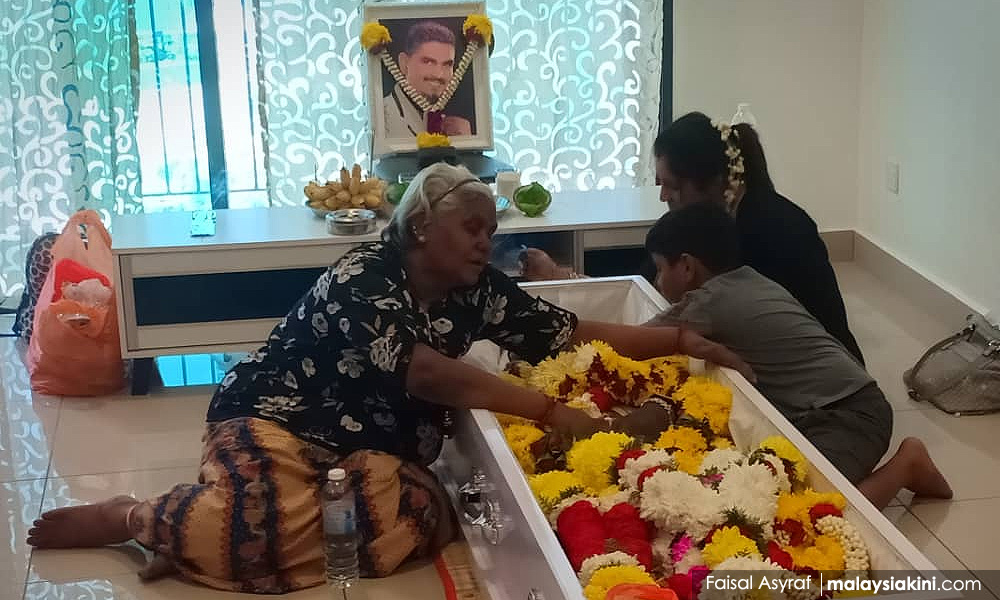
What did the Coroner’s Court say about this shooting? From reportage - “Coroner Rasyihah Ghazali said there was a criminal element in the case and that there was an abuse of power by the authorities in the fatal shooting of G Thavaselvan, 31, S Mahendran, 23, and Sri Lankan national J Vijayaratnam, 40.
“Lawyer M Visvanathan, who acted for the family of the deceased, confirmed the verdict in the inquest.”
Weaponising racism, bigotry
These, of course, are the numerous racial flashpoints in this country because the majority of non-Malays view the state security apparatus as enablers of hegemonic Malay political structures.
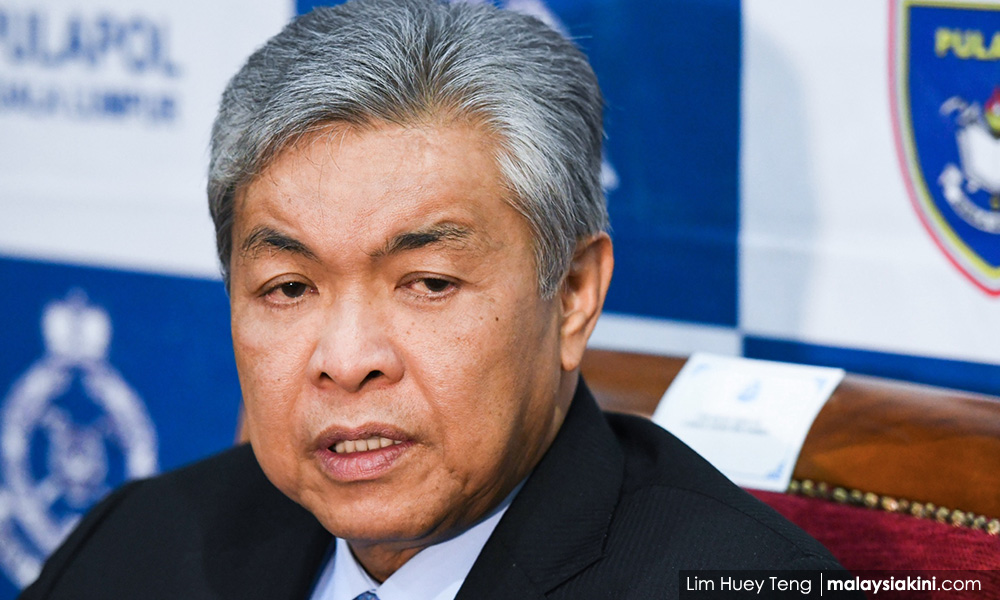
When Ahmad Zahid Hamidi served as the home minister when Umno was in power, he advised a shoot-to-kill policy because the Malay community is normally the victim of crimes:
“What is the situation of robbery victims and murder victims during shootings? Most of them are our Malays. Most of them are our race.
“I think the best way is that we no longer compromise with them. There is no need to give them any more warning. If (we) get the evidence, (we) shoot first.”
And who could forget when the former police chief of Terengganu claimed that Malays do not participate in gangs because of their culture and religion?
What we have to understand is that any attempt at oversight necessarily means confronting the racism and bigotry that permeate these institutions.
Lawyer Rajesh Nagarajan, representing the families of the executed citizens in Durian Tunggal, said, “This is murder”.
Gobind Singh Deo said, “The police do not reclassify cases, especially to serious capital offences such as homicide, unless there is a solid evidential basis to do so.”
So the question is, what is taking so long? Maybe this has something to do with what a former BN secretary-general said about who is in the attorney-general hot seat:
“What I said about the attorney-general (is) I am stating facts on the ground - that (there is) fear (among) the Malays that probably, if the AG is not a bumi or Malay, then there is a fear of bias.
A more dangerous Malaysia
This is about systemic dysfunction and the collusion between the political class and a different kind of criminal enterprise.
I will end this piece with this quote from Lawyers for Liberty when the Court of Appeal reaffirmed the acquittal of now-deceased corporal Jenain Subi:
“The courts’ support for trigger-happy police does not make Malaysia any safer. In fact, it will make Malaysia a more dangerous place, because any person who flees from the police is now liable to be shot, and if he or she is wrongly killed, it is now open for the police to claim mistake or accidental death.”
To this day, nobody from the state security apparatus has explained the machete which was found in the car that Aminulrasyid Amzah had taken for a joyride, which resulted in his death. - Mkini
S THAYAPARAN is commander (Rtd) of the Royal Malaysian Navy. Fīat jūstitia ruat cælum - “Let justice be done though the heavens fall.”
The views expressed here are those of the author/contributor and do not necessarily represent the views of MMKtT.

No comments:
Post a Comment
Note: Only a member of this blog may post a comment.