

The United Kingdom’s (UK) House of Commons (the Commons) has a team of researchers whose job is to provide a range of research and information services for Members of Parliament (MPs) and MPs’ staff.
The research works are published, providing politically impartial and in-depth analysis of Bills, legislation, topical areas, policy and constituency issues.
Sometime in March last year, the Commons published a Research Briefing on MPs who have withdrawn from the Commons Chamber or who have been suspended.
According to Erskine May, the power to suspend MPs is as ancient as the institution itself. There are a number of cases of MPs being suspended for varying periods in the seventeenth century.
Although there had been no cases since 1692, the Speaker had ruled in 1877 that “any Member persistently and wilfully obstructing public business without just and reasonable cause is guilty of a contempt of this House, and is liable to punishment, whether by censure, suspension from the service of the House or commitment, according to the judgment of the House”.
Suspension of MPs is now prescribed under the Commons Standing Order (SO) No 44.
An MP who has committed the offence of disregarding the authority of the chair, or has persistently and wilfully obstructed the business of the House by abusing the rules of the House or otherwise, then “the Speaker shall forthwith put the question, on a motion being made: That such Member be suspended from the service of the House”.
There must first be a motion to suspend the MP. The motion is expected to be moved by the Leader of the House (if present) or by another Minister. The House must agree to the motion.
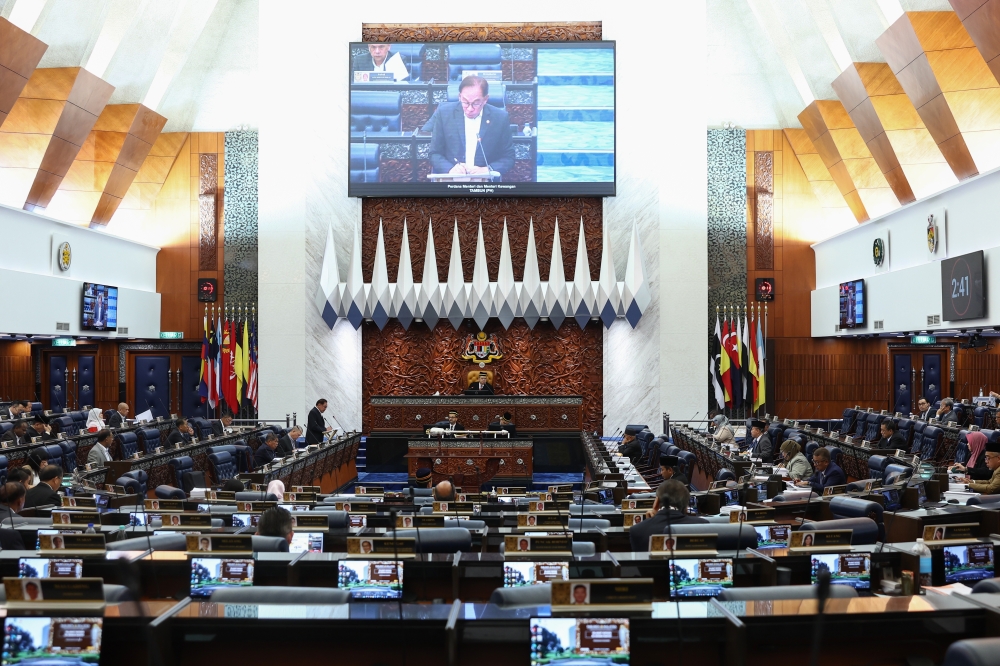
The power to suspend an MP following a motion is as ancient as Parliament itself. - malaymail

No comments:
Post a Comment
Note: Only a member of this blog may post a comment.