


Malaysian Armed Forces (MAF) veterans have voiced out against the controversial Malaysia-US trade agreement, backing concerns that the deal puts Malaysia’s sovereignty at risk in a situation akin to “recolonisation”.
Addressing a press conference alongside former prime minister Dr Mahathir Mohamad today, former chief of defence forces Borhan Ahmad said the veterans are prepared to meet with the Conference of Rulers to discuss their worries over the deal.
“We have made arrangements to meet with the rulers (to) discuss the issues we are facing and request their insights on the matters.
“We are very disappointed - something has to be done. We plan to do a few things, a meeting with the rulers is one of the things that we are hoping to do,” Borhan said.
His stance on the matter was supported by Mahathir, who said the veterans’ concerns with the deal are echoed by the public.
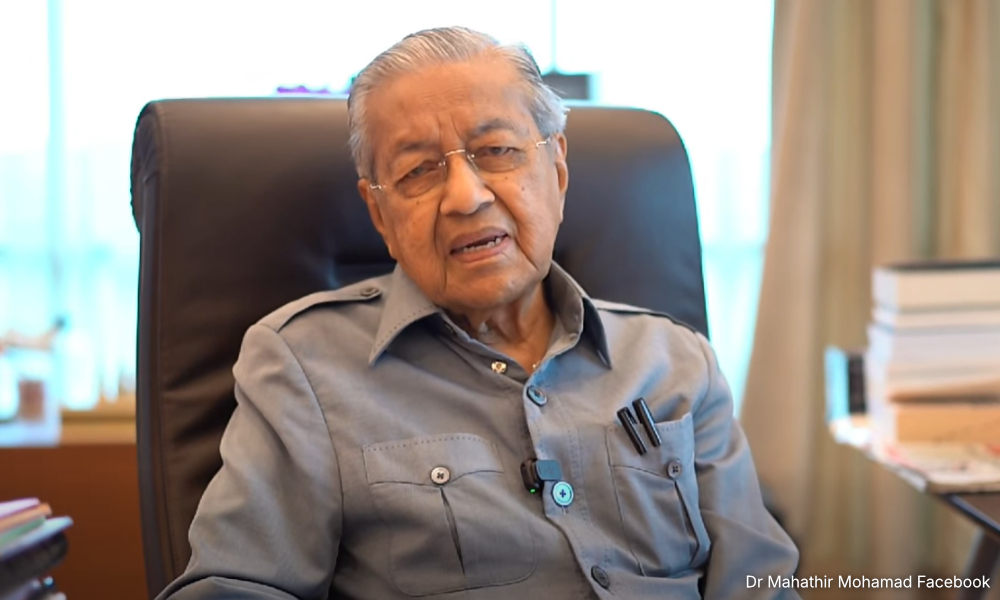
“We don’t know what will happen to our nation if we are conquered by the US. We are an independent nation, but once we are bound to the US, we don’t know what will become of our independence,” Mahathir said.
In a statement issued on behalf of the veterans today, Borhan said the deal signalled a troubling departure from Malaysia’s longstanding neutral stance, amounting to what he described as the “surrender of sovereignty” to an external power.
“Pertaining to the trade agreement signed (with the US), it is made to reflect that we have surrendered our sovereignty and integrity to a foreign power - this does not reflect well as an independent nation state,” Borhan said in the statement.
“Are we now being subjugated and recolonised, or being blackmailed into this lopsided deal? What is our reason to succumb to threats on sanctions and increased ‘tariffs’ if we do not agree (with) these impossible trade rulings?” he questioned.
He noted that the MAF had played a crucial role in securing Malaysia’s independence “through blood and tears”, arguing that the nation’s development and iconic achievements would never have been realised had the forces faltered in their duty.
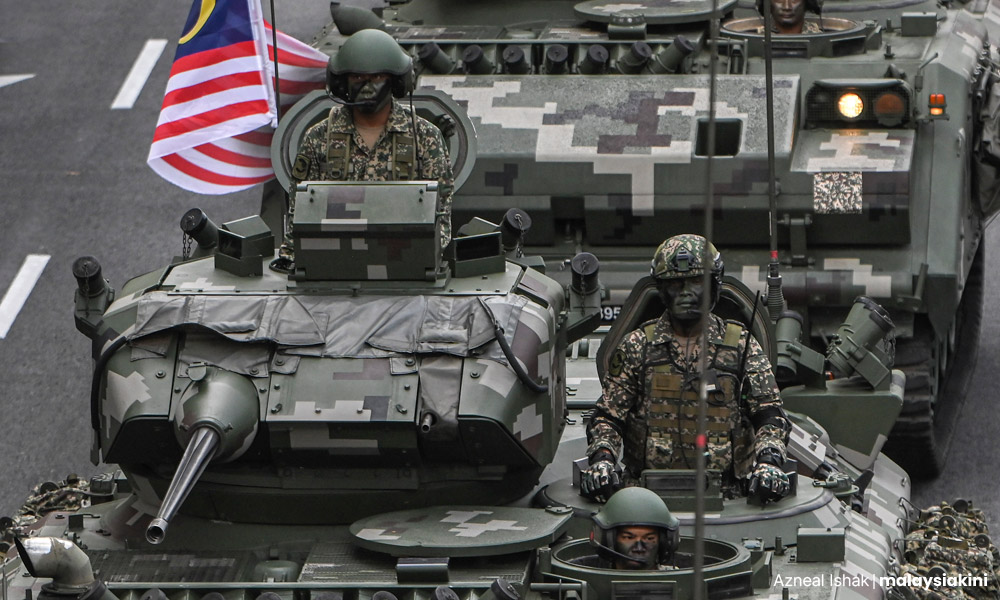
“All of (the achievements) which we are so proud of - could this have been achieved if the MAF failed in its mission?
“The answer is a resounding ‘no’, so let us not sell the nation to become beggars again,” Borhan asserted.
Alleged ‘treason’
Earlier this week, Mahathir had lodged a police report against Prime Minister Anwar Ibrahim over alleged “treason” involving the Malaysia-US reciprocal trade deal signed in October.
In his complaint lodged at the Putrajaya district police headquarters on Dec 2, Mahathir also requested the authorities to investigate officials from the Investment, Trade and Industry Ministry, the attorney-general, and all parties involved in the preparation, negotiation and finalisation of the deal.
Besides accusing Anwar of alleged sabotage to the country, Mahathir said he believes the prime minister has carried out activities detrimental to parliamentary democracy.
Among the clauses of the deal that Mahathir wants authorities to investigate are Articles 5.1, 5.2 and 5.3, as well as other clauses such as the restrictions on digital policy and domestic regulations, and those that affect the bumiputera interests and rights guaranteed under Article 153 of the Federal Constitution.
He also urged for a probe on whether there are elements of foreign influence or actions that threaten national sovereignty and security, as well as if there are any elements of power abuse, serious negligence and possible breach of trust regarding the management and decisions involving the country’s rare earths and critical minerals.
Trade pact
Inked on Oct 26 between Anwar and US President Donald Trump during the latter’s visit to Kuala Lumpur for the Asean summit, the agreement includes provisions encouraging closer alignment with Washington on national security matters such as export controls, sanctions, and investment screening.
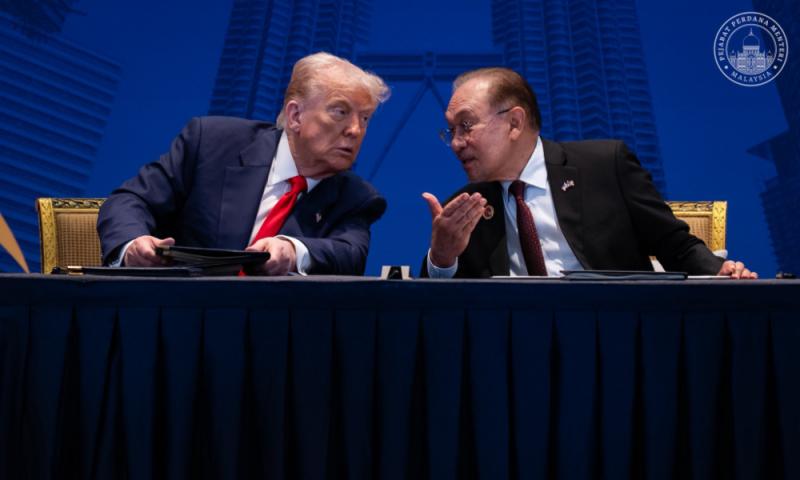
The trade pact also grants preferential access for American goods and services, while the US has exempted certain Malaysian exports from Trump’s 19 percent reciprocal tariff.
In return, Malaysia is expected to observe US trade restrictions tied to economic or national security concerns, align itself with US export controls and sanctions on sensitive technologies, and prevent Malaysian firms from facilitating sanctions evasion.
Putrajaya is also expected to explore mechanisms to screen inbound investments for national security risks, including those involving critical minerals and infrastructure.
Speaking in the Dewan Rakyat on Dec 1, former investment, trade and industry minister Tengku Zafrul Abdul Aziz reiterated that Malaysia did not negotiate the trade agreement “from a position of comfort”.
He noted that talks on the deal were held under the threat of Trump’s 25 percent tariff on almost all of Malaysia’s exports to the US. - Mkini

No comments:
Post a Comment
Note: Only a member of this blog may post a comment.