Orang Asli groups reject proposed law changes, say talks 'failed standards'
A group comprising 15 Orang Asli-based organisations and individuals has rejected proposed amendments to the Aboriginal Peoples Act 1954.
In a statement, the group said a government-organised engagement session held on Jan 22 at Hotel Tenera, Bangi, did not comply with the principles of free, prior and informed consent (FPIC), despite being presented as a consultation process.
“Decisions were clearly made in advance. Orang Asli communities were merely invited to be ‘heard’, not to determine outcomes,” said the group, describing the session as a question-and-answer forum rather than a genuine engagement process.
The coalition said Orang Asli communities and NGOs had demanded that the full draft amendment bill and the consultant’s study report be disclosed and presented to Orang Asli communities before being tabled in Parliament.
However, they said the response given that the communities must wait for the amendment bill to be tabled, and that the documents were subject to the Official Secrets Act, was unacceptable and contradicted FPIC principles.
“There can be no FPIC if affected communities are denied access to the legal text that will determine their future,” the statement said.
Jointdemands
As such, they said the engagement process failed to meet basic standards of meaningful consultation and denied indigenous communities their rights, land, and voice.
The groups also listed their joint demands, as follows:
the amendment process to be halted until legally binding recognition of Orang Asli customary land and territories is included;
full disclosure of the draft bill and consultant’s report to Orang Asli communities;
explicit legal recognition of Orang Asli customary land and territories;
implementation of FPIC as genuine consent, not symbolic consultation; and
full respect for the right to Orang Asli self-determination.
The session was organised by the government through the Department of Orang Asli Development (Jakoa).
Why bring deputy speaker?
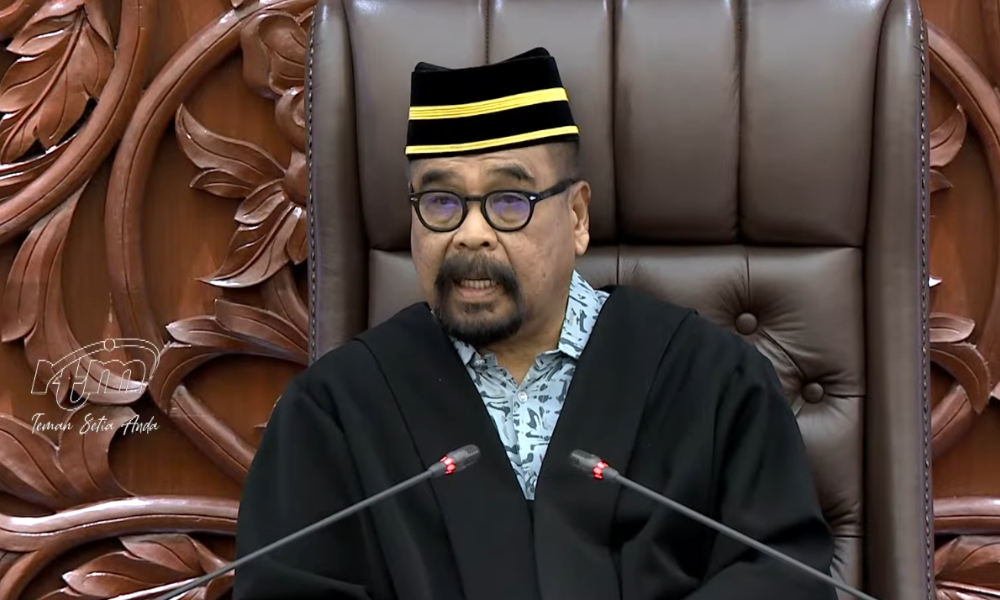
At the same time, the groups questioned the inclusion of Dewan Rakyat deputy speaker Ramli Nor, an Orang Asli, as a main panellist.
Dewan Rakyat deputy speaker Ramli Nor
They argued his involvement in the process risked blurring the separation between legislative and executive authority, which should fall under Jakoa and the relevant ministries.
The statement was jointly supported by 15 organisations and networks, including Apa Kata Wanita Orang Asli (Akwoa), Center for Orang Asli Concerns (Coac), Jaringan Orang Asal SeMalaysia (Joas), Pusat Komas, and the Majlis Belia Orang Asli Malaysia (Mboam). - Mkini
No comments:
Post a Comment
Note: Only a member of this blog may post a comment.



No comments:
Post a Comment
Note: Only a member of this blog may post a comment.