


The Territorial Army of Malaysia, commonly known as Askar Wataniah, is often described as a reserve force.
The description is administratively accurate, yet incomplete. To be part of the reserve army in its earliest stages is to understand that entry into this system is deliberate and demanding, shaped by process rather than appearance.
My involvement did not begin on a training field. It began months earlier. I submitted my application at Kem 515 in September 2025, followed by a careful sequence of police vetting, background checks, medical screening, and document verification.
The process stretched across several months. There were no shortcuts and no urgency to fill numbers. The pace itself communicated a clear message. This was not recruitment for convenience, but selection for suitability.
Many Malaysians may not realise that they have already encountered Askar Wataniah in moments of national stress.
During the Covid-19 pandemic, the soldiers stationed alongside the police at roadblocks, assisting with movement control and public order, were often members of this reserve force.
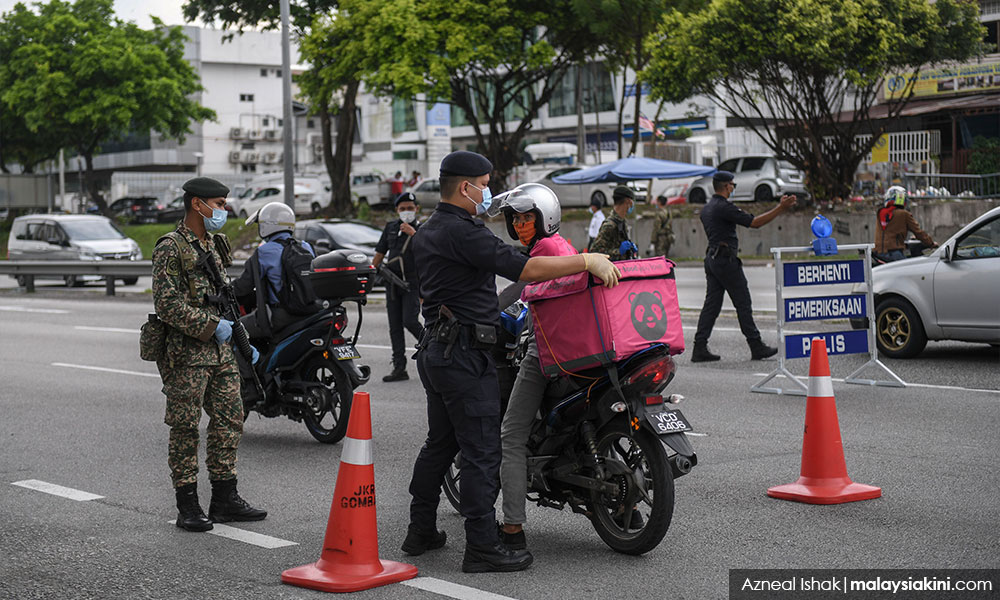
Their presence was quiet and disciplined, largely unnoticed by the public. Yet it reflected the same structure and readiness that underpin the training described here.
Only after clearing these stages was I admitted into the Kursus Asas Perajurit Muda Sukarela, which I am undergoing.
Discipline above all
Even by the second day, one reality is apparent. The training environment exists largely apart from headlines, speculation, and public commentary surrounding senior leadership within the armed forces.
Controversies involving top generals do not penetrate the training ground. At the recruit level, hierarchy is not debated. It is enforced. Orders are issued and carried out. Training proceeds according to schedule, indifferent to developments beyond the perimeter.
Even when misconduct surfaces at the highest levels, its effects do not cascade downward.
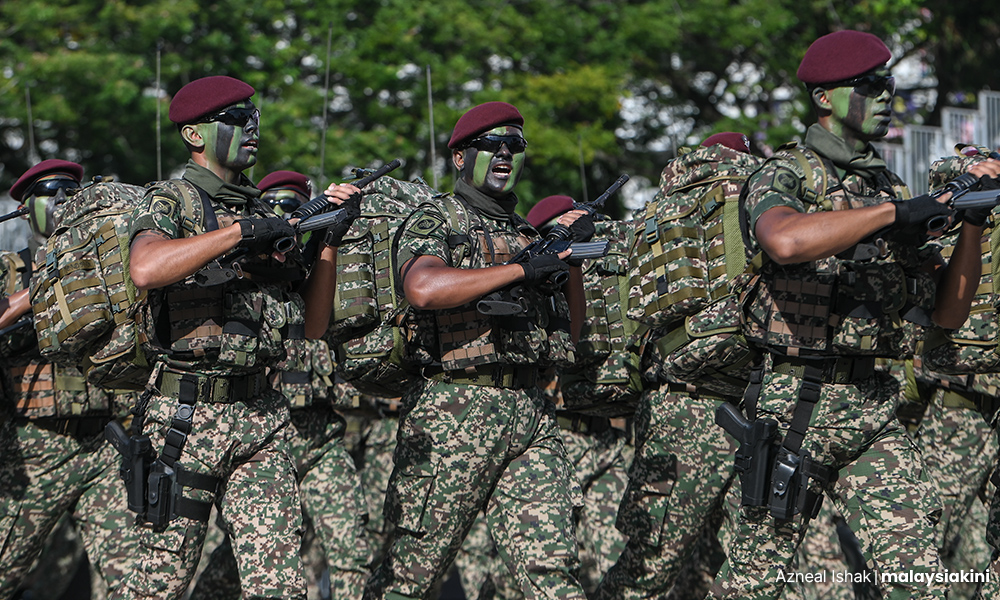
At ground level, participation itself tells a different story. Recruits come from across the country and from backgrounds rarely discussed in public narratives.
Malays, Chinese, Indians, and participants from Sabah and Sarawak train side by side under the same command.
On the training ground, background confers no privilege. Everyone answers to the same instructions and is measured by the same standards.
The composition of the intake reinforces this reality. What matters is punctuality, compliance, and the ability to follow instructions precisely. Routine begins to replace individuality, and shared fatigue gradually levels the difference.
The Kursus Asas Perajurit Muda Sukarela operates under formal administrative and training directives issued by the Territorial Army command.
These directives define objectives, training scope, disciplinary authority, logistics, medical arrangements, and legal responsibilities with clarity.
Inculcating values through repetition
According to the official course order, the programme runs continuously over four weeks and comprises 194 training periods, each lasting 40 minutes, amounting to approximately 46 hours of instruction per week.
Attendance is compulsory. Conduct is regulated. Standards are enforced without negotiation.

For the current intake, centralised training is conducted at Multimedia University in Cyberjaya. This arrangement reflects institutional coordination rather than compromise.
Kem 515 Askar Wataniah is utilised for the National Service Training Programme, requiring redistribution of training locations. Facilities at MMU are adapted to meet military requirements, while subsequent field components are scheduled under military supervision.
Early training places strong emphasis on kawad kaki (marching). The drill serves a practical purpose. Through repetition, recruits learn coordination, attentiveness, and responsiveness to command.
Individual habits give way to collective rhythm, reinforcing discipline in a form that is visible and measurable.
Institutional instruction accompanies physical training from the outset. Trainees are briefed on the structure of the armed forces, the role of Askar Wataniah within national defence, military ranks and insignia, standing orders, and obligations under the Armed Forces Act 1972.
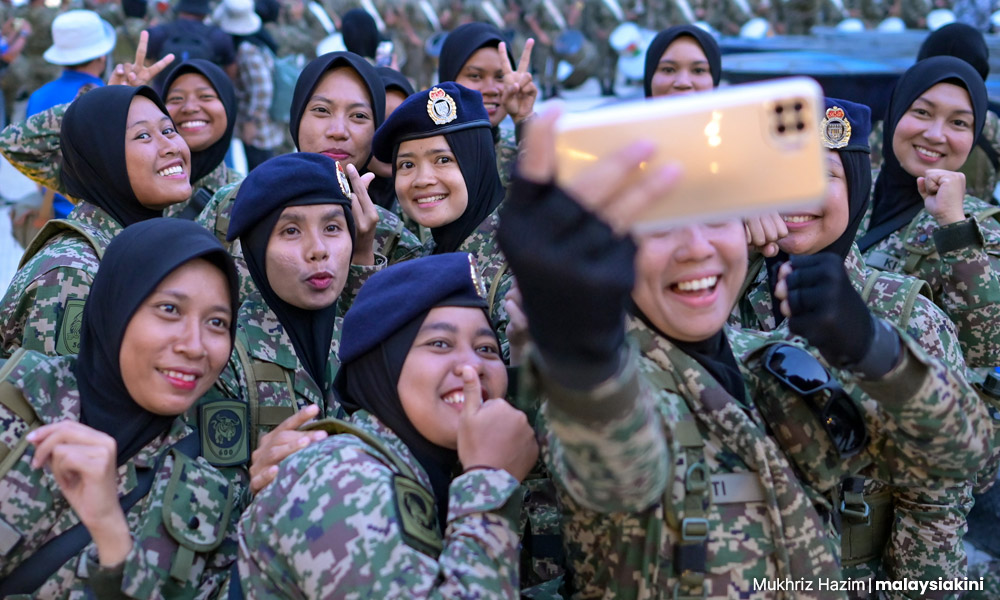
Compliance is framed not as personal preference, but as a legal and institutional responsibility.
The administrative framework reinforces this environment of order. Reporting times are enforced. Personal conduct is regulated. Communication devices are restricted.
Prohibited behaviour is clearly defined. Accommodation, rations, medical support, insurance coverage, and transport arrangements are centrally managed.
Even at this early stage, trainees operate within a controlled military system rather than a casual volunteer setting.
You earn your place
After Ajib Ismail became part of the top leadership of Askar Wataniah, there has been a clearer emphasis on order, consistency, and institutional direction.
His professional background at the Islamic Development Department (Jakim) contributes an administrative mindset grounded in governance, discipline, and public responsibility.
This reinforces the understanding that the reserve force functions not merely through command but through structure, accountability, and adherence to established systems.
Completion of the course is not assumed. Attendance, conduct, and performance are monitored from the first day onward.
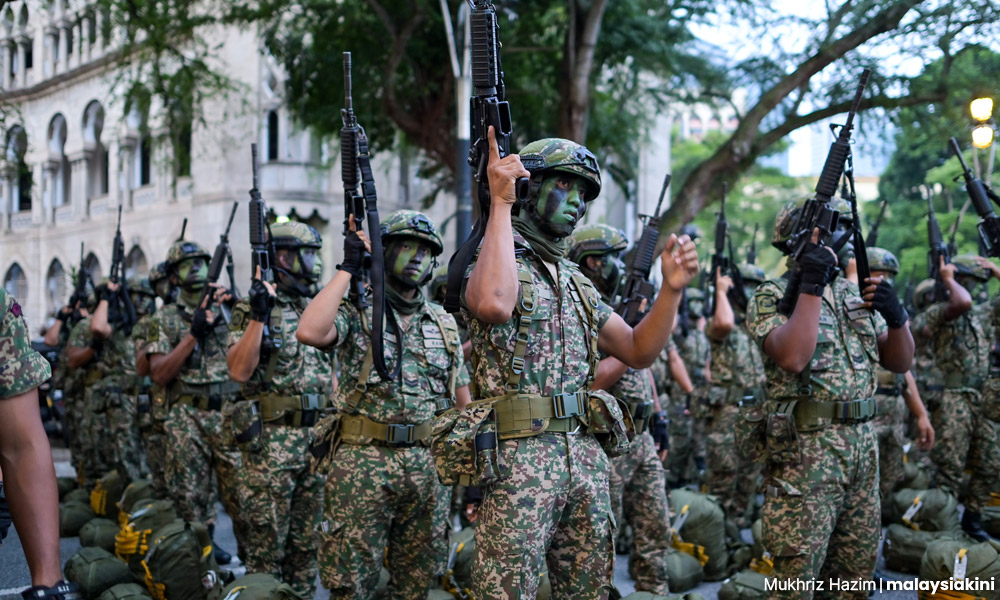
Only those who meet the prescribed standards at the end of training will be recognised as having completed the course and subsequently enlisted with the rank of private in the Territorial Army.
Until then, participation remains conditional. Entry into the reserve force is earned, not promised.
Undergoing this training during a period of heightened public scrutiny offers a clear contrast. At ground level, institutions function through systems rather than personalities.
While debate continues elsewhere, discipline here is sustained through routine, enforcement, and continuity.
Even at this early stage, the purpose of the reserve army is evident. It is not designed to impress or to reassure public sentiment.
Its function is simpler and more demanding. It prepares ordinary citizens to be dependable when conditions are not. Long after controversies fade and names are forgotten, the system endures through those who submit to it.
That quiet willingness, repeated generation after generation, is where the nation’s strength truly lies. - Mkini
MAHATHIR MOHD RAIS is a former Federal Territories Bersatu and Perikatan Nasional secretary. He is now a PKR member.
The views expressed here are those of the author/contributor and do not necessarily represent the views of MMKtT.

No comments:
Post a Comment
Note: Only a member of this blog may post a comment.