


BOOK REVIEW | Some memoirs written these days are not worth the paper they are printed on or the effort made to get it into an e-book format for sale because they are largely self-aggrandisements.
Many writers fail to rise above a flattering tale of how they rose in the world, and let all the experience that they have had - good and bad - fall by the wayside, their handiwork being of no interest or benefit to the reader.
A good memoir has key ingredients. Above all, it must tell a worthwhile story, true to the author’s recollections. It needs to be vibrant, interesting, and captivating, told with candour and honesty to say what most others will refrain from touching. What’s the point, otherwise?
One additional thing which is important to me - it should take you back to times when you have not been around and places you have not visited, and track the changes that have taken place along the way over the years. It’s a tale of recent history - often it’s fascinating.
Umasuthan Kaloo’s book has succeeded on all counts, tying his own story of life, love, and work to the myriad things that were happening around him, going one step further by drawing upon historical facts to flesh out and give substance to his views.
A vivid nostalgic view
He excels in painting a vivid - and often nostalgic - picture of a bygone Malaya where a common bond for the betterment of the country, which united us leading up to and following independence in 1957, has slipped past, largely due to political machinations and neglect.
The author, an engineer and academic turned management consultant, laments the weakening of this glue made of centuries-old mutual respect, lived experience together, and care that held Malayans and subsequently Malaysians together from well before independence.
At 87, he is at a vantage point where the whole development of modern Malaya was unfolding before him.
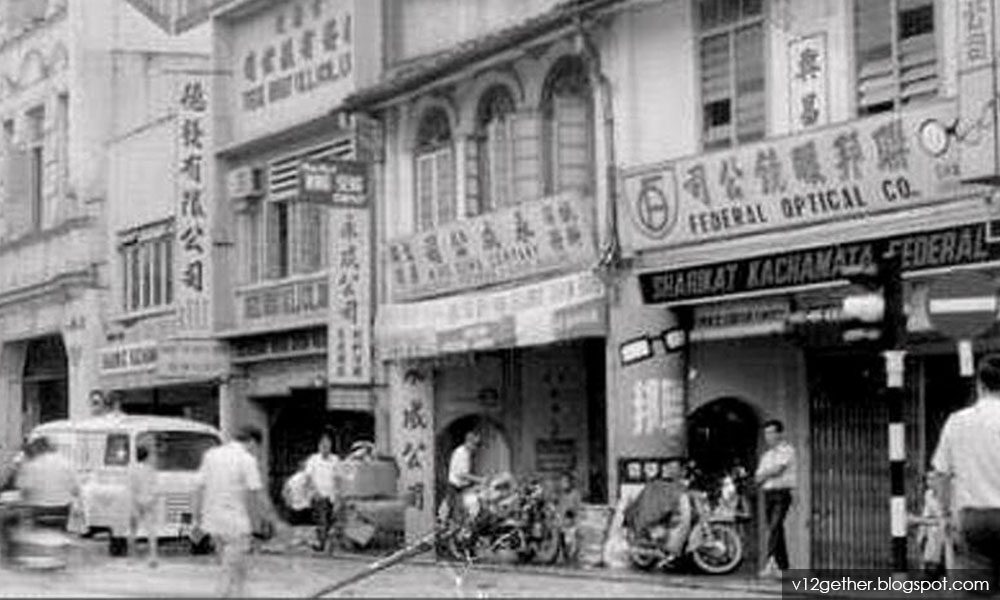
The value that he brings to the book is to go beyond lamentation and to express how the changes took place, drawing upon his own personal experiences, and how we can change for the better again.
As he says in the preface to the book, tongue in cheek: “My life so far has had its share of great happiness, many disappointments and some modest achievements. I am writing this book to enable those of my vintage to compare notes with my experiences and be happy they did better or be unhappy that they did worse.
“This book is also aimed at those who are younger to have some idea of what could have been and perhaps work towards regaining the ground lost to widespread corruption and greed and ‘make Malaysia great again’”.
Insightful history
I might add here that the young may get an unconventional but insightful history lesson, very different from the textbooks on how the country got here, and how it could have been much better than it is now.
Of particular interest are three main incidents, starting with the Japanese invasion, when Umasuthan was a mere toddler, and then the communist insurgency from 1948 to 1960 and beyond, and the May 13, 1969, engineered (by some accounts) riots, which changed everything through poor and even corrupt implementation of subsequent policies.
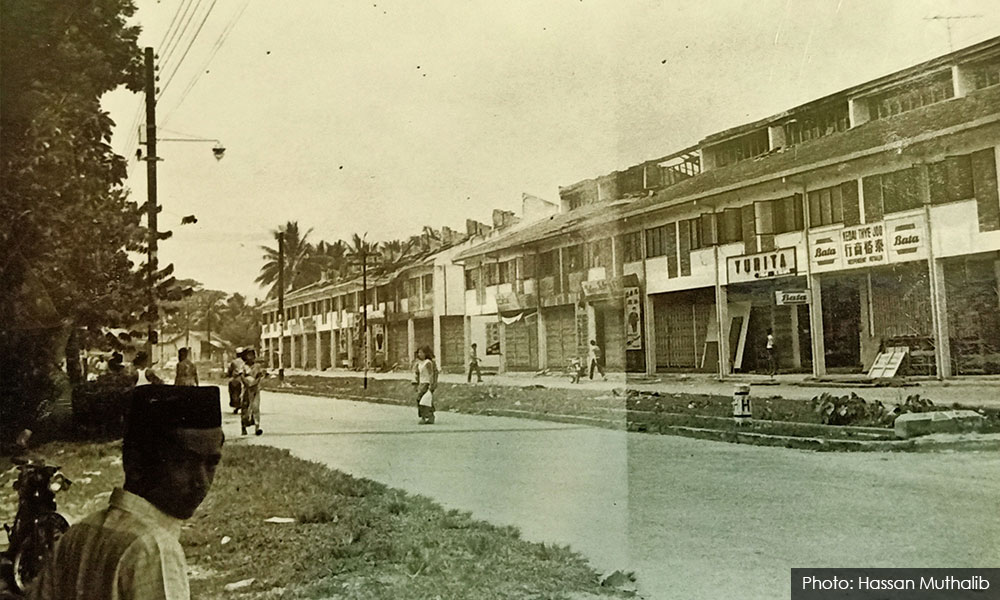
Even as this is told, other stories develop in between. In the personal realm, Uma, as his friends call him, is not squeamish and talks about courtship’s pain and pleasures, love and the complexities of falling for a Scottish lass from family and friends on both sides, and how they won out to create meaningful lives for each other.
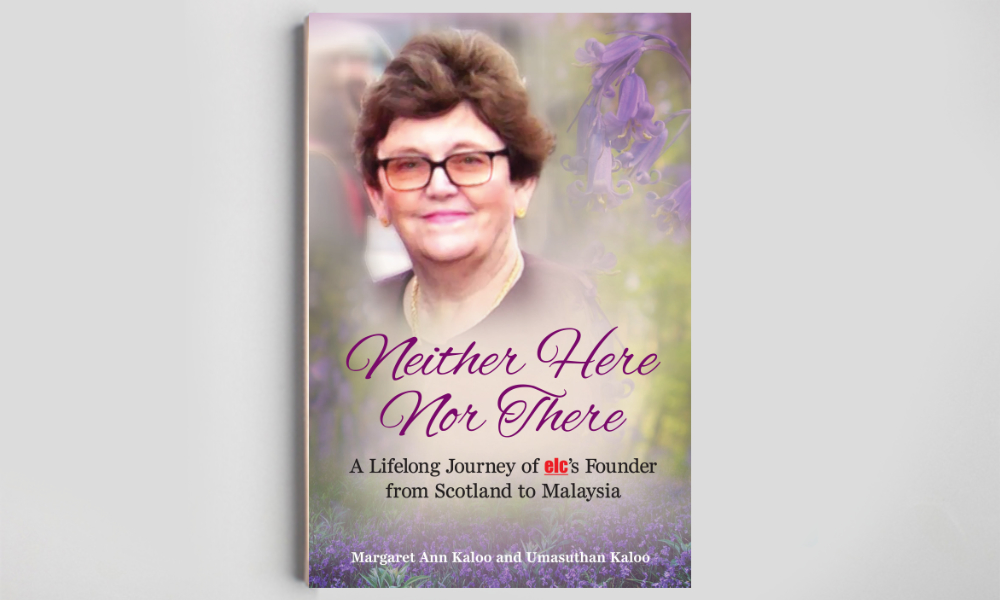
Umasuthan’s wife, Margaret Ann Kaloo, was one of the founders and the prime moving force for the successful development, despite many hurdles and obstacles, of a private, affordable school which continues to operate to this day, elc International School.
Sadly, Margaret passed away some two years ago.
He talks of his many experiences overseas and how life was in the US and UK then, much of which was positive and hopeful.
He describes briefly an overland trip from the UK to Malaysia, getting as far as Bombay (now Mumbai) where it had to be aborted because of time, and the Beetle he drove was shipped to Malaysia.
I first met Umasuthan in 1989 - he was lecturing us in operations research in an MBA external course with the UK’s Cranfield Institute of Technology.
I renewed contact with him a few years ago through a mutual friend.
I found out from this book that he pioneered the external MBA programme in Malaysia about five years earlier, when he was heading management consultants PA. The company ran the Cranfield MBA programme in Kuala Lumpur then.
Umasuthan’s writing style reflects him - direct and straightforward. He neither minces his words nor needlessly embellishes them.
His messages are clear and unambiguous. He has a wry, dry sense of humour which comes through in the book as well.
Lest we think him too critically, he ends the book on a measured, optimistic note. I will end this review by quoting some excerpts from his final chapter.
Not a biography
“This is a memoir, and although it records my life, unlike a biography or autobiography it is not the story of my life.
“It is more to do with the events and environment which have influenced and shaped my life from the years before WWII hit us in Malaya up to the present.”
He talked about what was good: “ …Then came a glorious period of some 20 years of university and employment in a beautiful country where race and religion were not prerequisites for study or work and only ability and effort counted.”
And the change that was taking place: “...It was in the second half of my life that things changed and the country and its people I loved became something to be wary of. This was the beginning of an age of greed, where the pursuit of more money and more power ruled.”
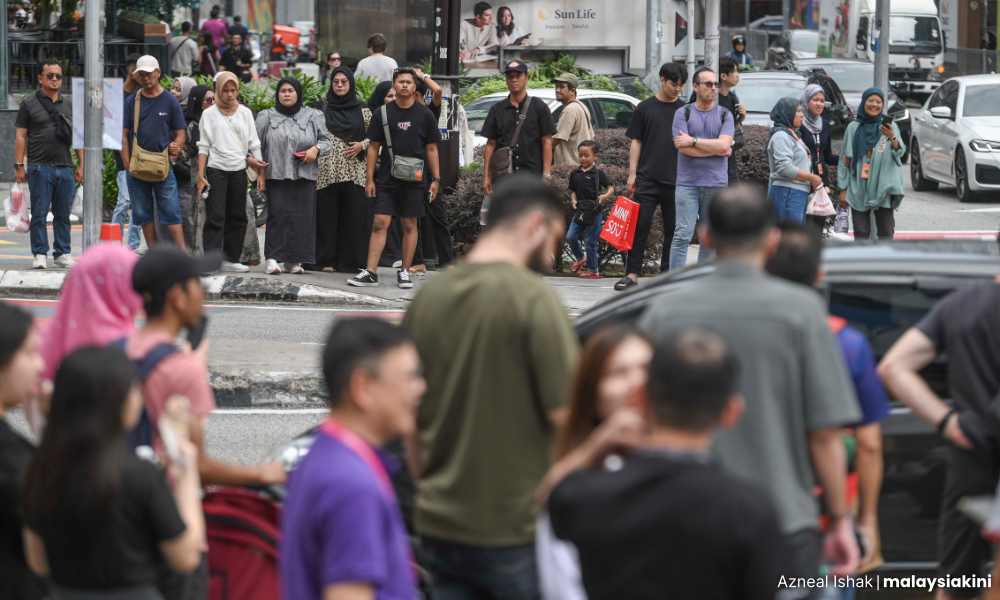
And he ends with a note of cautious optimism: “...The story of our nation is not unique. Civilisations have risen, stumbled and renewed themselves over the centuries. What feels permanent today is often only a passing shadow.
“We were once seen as a model for others, and we may yet surprise ourselves. Perhaps not in my lifetime. If this memoir serves any purpose at all, let it be a reminder that nothing is fixed - neither triumph nor failure.”
“Growing Up In Post-War Malaya” is published by Gerakbudaya Enterprise and sold online and in bookstores for RM68 a copy. - Mkini
P GUNASEGARAM hopes that more golden seniors in a position of knowledge will step up to write their memoirs for the benefit of all Malaysians - honestly, with candour and courage.
The views expressed here are those of the author/contributor and do not necessarily represent the views of MMKtT.

No comments:
Post a Comment
Note: Only a member of this blog may post a comment.