


A political analyst has cautioned that Parti Bersama Malaysia (Bersama) needs more than good candidates and policy expertise to win elections.
Universiti Sains Malaysia's (USM) P Sivamurugan told Malaysiakini that the party's ideas may be attractive, but it might be hard to put into practice.
"Ground machinery, local networks, voter mobilisation, funding, and grassroots presence remain critical," he said.
Similarly, International Islamic University Malaysia (IIUM) political science associate professor Syaza Shukri asserted that politics is not only about formulating policies.
"Yes, you need smart people to lead and govern, but firstly, these people need to win elections and winning elections is another game altogether.
"Can they speak the language of the people?" she asked.

However, Sivamurugan acknowledged the possibility that the party may attract votes in urban and semi-urban seats.
The comments came after Bersama leader Rafizi Ramli said election candidates would be selected based on merit, including factors such as age, education, professional experience, policy comprehension, problem-solving ability, and community service.
During the latest episode of his "Yang Berhenti Menteri" podcast, the former economy minister also highlighted Bersama’s flat digital organisational structure, arguing that it would eliminate traditional political warlords.
Limiting organisational strength
Commenting on this, Sivamurugan said that such a framework might also limit organisational strength.
"Rafizi appears to be positioning Bersama as a technocratic, policy-driven platform rather than a traditional political party.
"The emphasis on merit-based candidates, a flat structure, and non-cooperation with existing parties reflects his view that many voters, particularly urban and younger voters, are frustrated with patronage politics, factionalism, and identity-based narratives," he added.
While acknowledging Rafizi’s belief that a “silent majority” of voters is drawn to solutions for economic and governance issues, Sivamurugan said Bersama’s immediate influence would likely be felt more in shaping political discourse than winning seats.
"Its long-term prospects will depend on whether it can build grassroots credibility beyond Rafizi’s personal appeal and demonstrate that its model works in real electoral contests.
"For now, it is an interesting political experiment, but not yet on the same footing as the three major coalitions," he said.
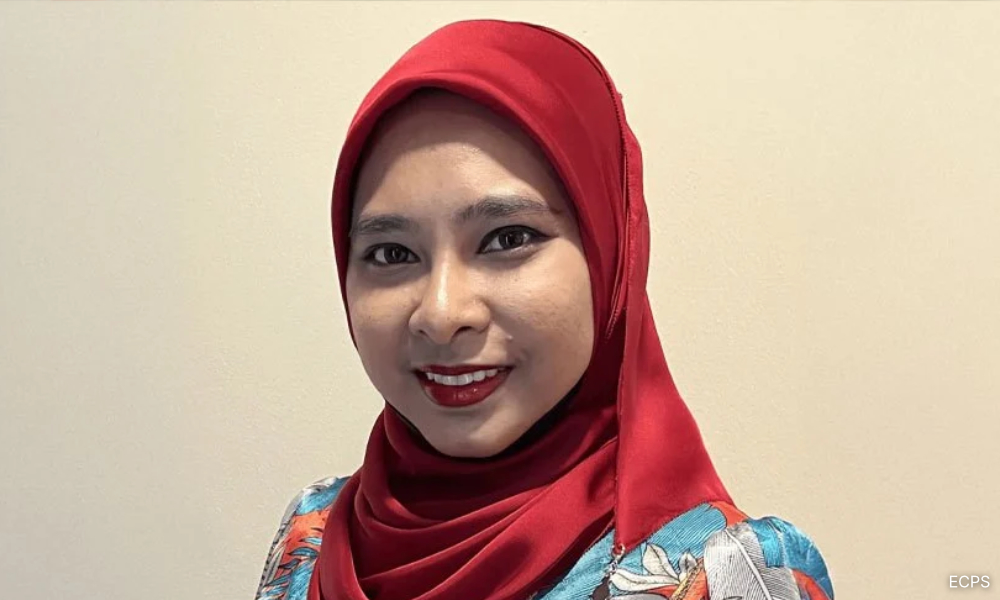
In contrast, Syaza was more optimistic about the party’s electoral prospects, describing Bersama as a "legitimate challenger" for votes traditionally aligned with Pakatan Harapan.
"I don’t see them really challenging BN and Perikatan Nasional because their bases are different," she said.
At the same time, she cautioned that Bersama’s refusal to cooperate with other political parties could slow its development towards becoming an independent political force.
Leading Bersama
On May 17, Rafizi and former minister Nik Nazmi Nik Ahmad announced that they would vacate their parliamentary seats and quit PKR to lead Bersama.
Several PKR leaders submitted their resignations soon after, while the party’s Pandan Youth division was allegedly dissolved after 19 committee members stepped down.

On his podcast last night, Rafizi said that around 21,000 people have joined Bersama in the two weeks since its launch.
Of that number, roughly 29 percent - or around 6,000 people - are formerly from PKR. - Mkini

No comments:
Post a Comment
Note: Only a member of this blog may post a comment.