


A friend told his daughter, a medical practitioner, to bank into his account a monthly allowance. Not that he needed the money, he said.
It was symbolic. It was about teaching her the value of “filial piety” that she could pass on to her children.
Another, a retired couple, dismissed such arrangements. What they hoped was not financial support from their son, but more frequent visits for weekend meals. Any allowance, they said, would be a bonus.
Then, there is the father. Divorced and living off a modest pension in a nursing home. He has not heard from his son for years. His savings will gradually run out. What then?
These scenarios reflect the different parent-child relationships. The first is transactional. “We fed you, clothed you, educated you. We gave up everything for you. Now, it’s your turn to take care of our needs.”
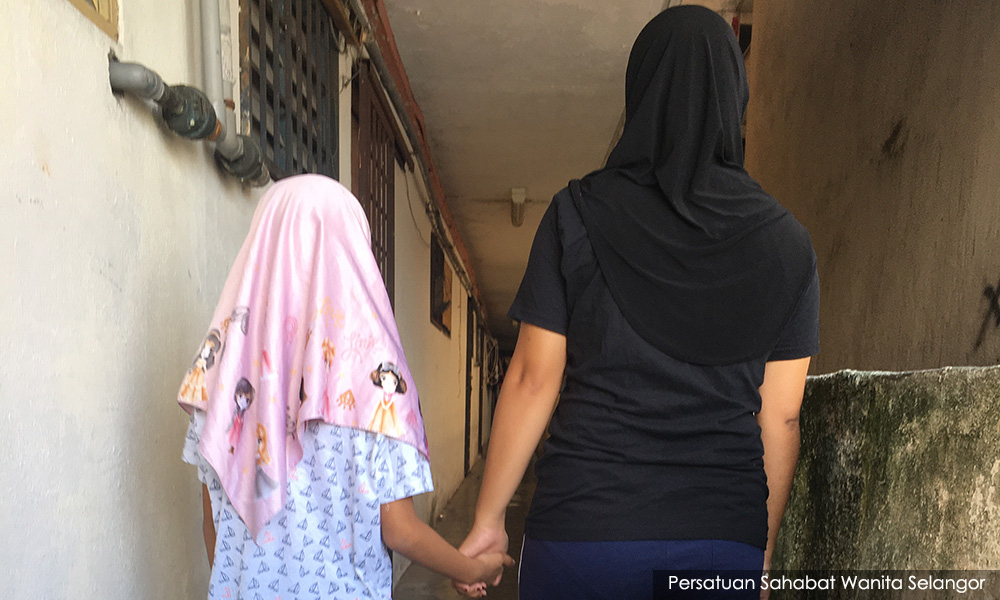
The second is perhaps closer to most families’ experience. Parents wish to see their children – and grandchildren - more often. But they also understand their children have a young family to raise. So, they hope in silence. They avoid becoming a burden to their children.
The third scenario is a hard one. Will the father seek legal recourse? If the son was raised in a “toxic and abusive” environment, is he morally obliged to take care of his father?
What can a filial support law, which is being considered by the government, compel his son to do?
Out of love or law?
Filial support law, or the Parents Maintenance Act, is grounded in the idea that adult children have a duty of care for their ageing parents who can’t fend for themselves.
This has generally framed the filial-support law in Singapore, the Philippines, China, and India. Even in the United States, filial-responsibility law is applied across 26 states under different conditions.
However, reactions to the government’s recent proposal draw a fine line between giving back to parents out of love and one that should be mandated by law. It begs the question: do we need to be reminded to love and care for the “old and frail”?
Affection and care cannot simply be coerced. Imposing a legal duty of care for ageing parents can secure financial support. But it may just lead to resentment and fracture parent-child relationships.
In my research, I have come across more cases of children suing their parents for failure of care than parents dragging their children to court for financial support. In Malaysia, at least for now, there is no legal precedent.
Aging society
The proposed filial support law has, to an extent, exposed the unmet needs of our ageing population.
More than 2,000 elderly people were reportedly abandoned between 2018 and 2022. Public hospitals and nursing homes have become the dumping grounds for families that either cannot cope or no longer care.
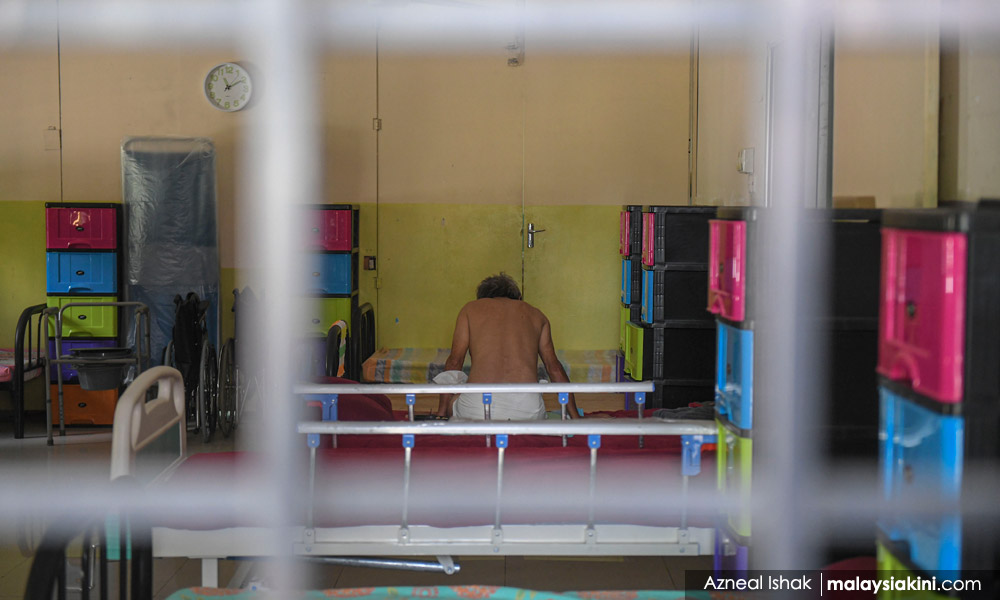
Those above 65 years old are expected to rise to 14.5 percent by 2040 from 8.1 percent in 2024 with life expectancy between 75 (father) and 80 (mother).
Adult children will be hard put to search for public health services and suitable aged care for their parents.
The need for a filial support law also points to visible cracks in the traditional family structure.
I remember when several generations lived under one roof. Grandparents, aunties, and uncles took care of each other and the children. Multi-generational family settings have become history.
Today, nuclear families are the dominant social unit. Privacy is prioritised over extended family gatherings.
Available reports show that nuclear families make up most of Malaysian households - about 66.4 percent as of 2014. Extended families have shrunk to about 20.8 percent.
Occupational mobility, higher education attainments, higher living standards, later average age of marriage (30 for men, 26 for women), family privacy, work-life balance - all these have collapsed the traditional safety net of shared responsibility in caring for the old and frail.
Rising cost
Given today’s grim economic realities, how can adult children then be motivated to care for their ageing parents – as a moral choice rather than a legal duty?
One option is to provide better tax benefits. I understand Malaysians are entitled to tax reliefs from RM8,000-RM9,000 for expenses incurred in accessing medical treatment and special needs of their parents and grandparents. Is this sufficient? Evidently not. But overwhelming it is.
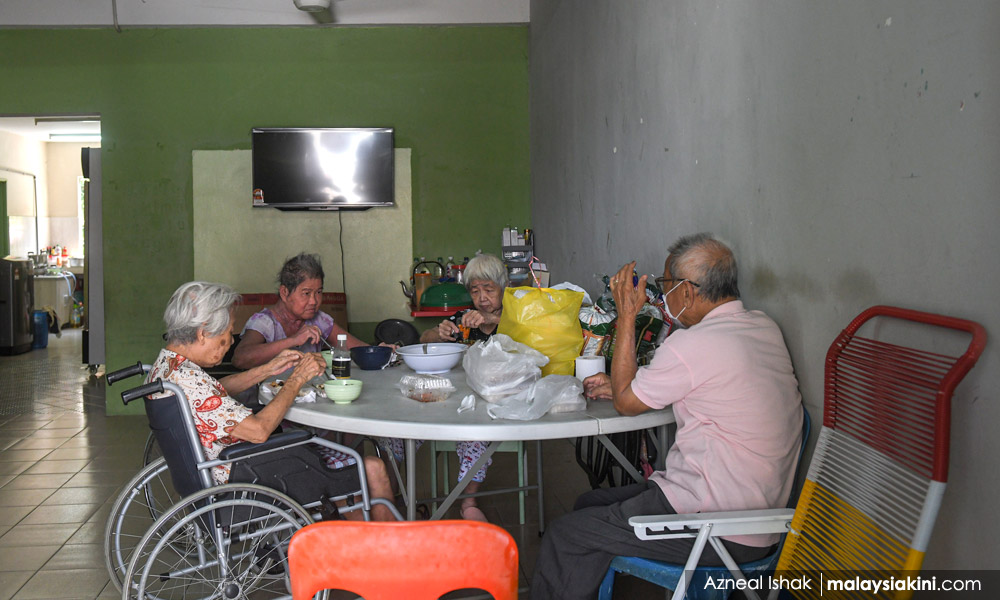
Here’s the math: the average basic fee of placing a parent in a nursing home in the Klang Valley sits around RM3,500 or RM42,000 a year.
This goes up to RM45,360 following last year's eight percent service tax hike. And this does not even include ancillary expenses for special medications, adult diapers, physiotherapy, and so forth.
For now, adult children have these options: to provide care, as seen through the eyes of parents who have lost their sense of self and dignity but are still cognisant of who their daughter and son are, or to be compelled by law to act on their filial piety. - Mkini
ERIC LOO is a former journalist and educator in Australia and a journalism trainer in parts of Asia.
The views expressed here are those of the author/contributor and do not necessarily represent the views of MMKtT.

No comments:
Post a Comment
Note: Only a member of this blog may post a comment.