



MANY organisations continue to approach smoking and vaping primarily through the lens of policy compliance, focusing on designated smoking areas, tobacco-free regulations and disciplinary enforcement.
However, rising nicotine use among employees may also point to deeper workplace issues affecting productivity, morale and employee wellbeing.
When nicotine becomes a common coping mechanism at work, employers may need to look beyond enforcement alone and examine the psychosocial health of the workplace itself.
This is a perspective organisations can no longer afford to ignore.
Despite years of tobacco-free policies, awareness campaigns and smoking cessation programmes, nicotine use among Malaysians remains significant.
According to Malaysia’s Global Adult Tobacco Survey (GATS) 2023, an estimated 4.8 million Malaysian adults, or about 19% of the population, still smoke tobacco products.
At the same time, vaping has risen sharply, with 5.8% of adults now using e-cigarettes compared with just 0.8% in 2011. Among young adults aged 15 to 24, vaping prevalence has reached 8.6%.
These figures should concern not only health authorities, but employers as well.
Traditionally, workplace efforts have centred on two approaches: enforcing tobacco-free policies and helping employees quit smoking or vaping.
While both remain important, they may not fully address the underlying reasons employees rely on nicotine, the workplace conditions that reinforce dependency, or the growing tendency to use nicotine as a coping mechanism for stress and fatigue.
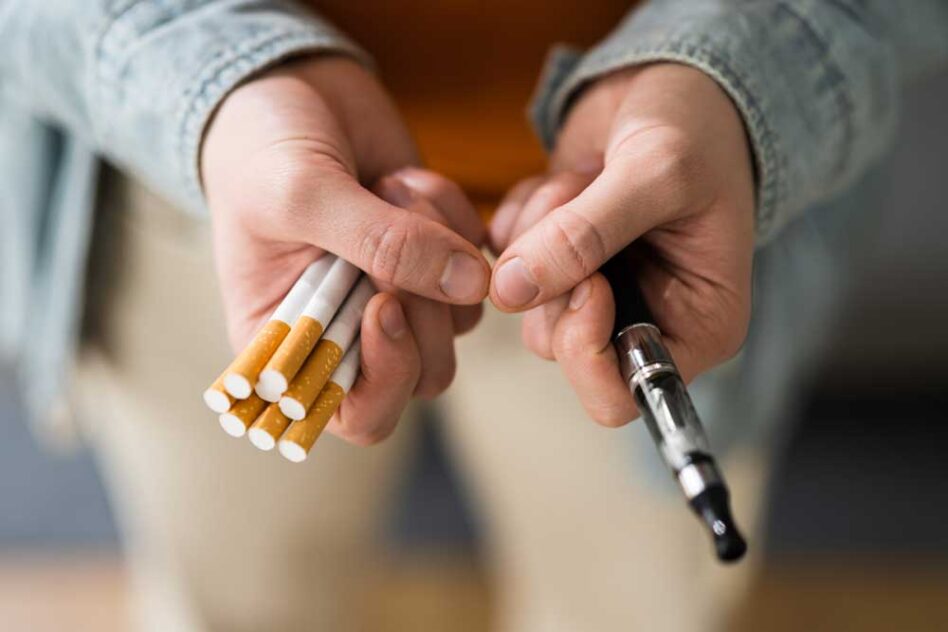
If organisations are serious about protecting employee health, strengthening productivity and improving workplace performance, it may be time to revisit nicotine use through a broader occupational health lens.
The theme for World Day for Safety and Health at Work 2026, “Let’s Ensure a Healthy Psychosocial Working Environment”, is especially timely.
Employees often report using nicotine to cope with workload pressure, emotional stress, mental fatigue or simply as a reason to step away briefly from work.
While nicotine may provide temporary relief, the effect is short-lived. Cravings and withdrawal symptoms quickly return, reinforcing a cycle of dependence.
In this context, smoking and vaping may serve not only as personal habits, but also as indicators of psychosocial hazards within the organisation itself.
Perhaps the more important question is no longer simply how employers can get workers to quit smoking or vaping. Organisations may also need to ask why employees increasingly feel the need to depend on nicotine to cope in the first place.
A more effective workplace approach should therefore move beyond enforcement alone and focus on the broader work environment.
Employers can begin by incorporating smoking and vaping indicators into employee wellbeing surveys and psychosocial risk assessments.
Departments with higher nicotine use, frequent stress complaints or increased absenteeism may point to deeper organisational problems that require attention.
Addressing root causes such as unrealistic workloads, insufficient supervisory support, excessive working hours or poor recovery time may be just as important as offering smoking cessation programmes.
Workplace environments themselves can also unintentionally reinforce nicotine dependence. Smoking and vaping areas often become informal social spaces where employees bond and temporarily escape work-related stress.
At the same time, nicotine users may appear to receive more opportunities for informal breaks compared with non-users.
A healthier alternative is to redesign workplace routines so that all employees have access to restorative breaks without relying on nicotine.
Simple initiatives such as short walking breaks, hydration stations, stretching sessions or quiet relaxation spaces may help employees recharge in healthier ways while gradually shifting workplace culture towards healthier coping mechanisms.
Equally important is ensuring employees are supported without stigma.
Nicotine dependence is frequently linked to stress, habit, social influence and workplace culture.
Stigmatising employees may discourage them from seeking help or participating in cessation programmes. Employees who smoke or vape should therefore not simply be viewed as “the problem”.
Instead, organisations should foster supportive and non-judgmental workplace cultures. Managers can be trained to recognise signs of stress-related nicotine dependence and initiate supportive conversations rather than punitive responses.

Confidential counselling, peer support and behavioural coaching may also help employees transition away from nicotine dependence more effectively.
At the same time, prevention and early intervention remain essential.
Young employees may vape due to peer influence or misconceptions that vaping is harmless. Long-term smokers, meanwhile, continue to face elevated risks of chronic illnesses including lung cancer and cardiovascular disease.
Workplace education programmes should therefore address persistent misconceptions surrounding nicotine use, including beliefs that vaping is harmless, that switching to vaping automatically means quitting smoking, or that nicotine effectively reduces stress in the long term.
For higher-risk employees, organisations may also consider incorporating lung cancer risk assessments and low-dose CT screening into workplace wellness or executive health programmes, where appropriate.
Malaysia’s Control of Smoking Products for Public Health Act 2024 represents an important step in regulating tobacco and vape products. However, creating healthier workplaces requires more than regulatory compliance alone.
A healthier workplace environment can contribute to improved employee wellbeing, better concentration and productivity, fewer lost work hours, reduced long-term healthcare costs, and stronger workplace morale.
More importantly, it reflects an organisation’s commitment to creating a genuinely healthy psychosocial working environment.
Smoking and vaping should no longer be viewed purely as habits to control. They may also be telling employers something important about how employees are coping at work.
Dr Chow Sze Loon is a public health physician & occupational health doctor at the Penang Adventist Hospital.
The views expressed are solely of the author and do not necessarily reflect those of MMKtT.
- Focus Malaysia.

No comments:
Post a Comment
Note: Only a member of this blog may post a comment.