


Malaysia’s political landscape is once again being shaped by speculation surrounding the possibility of Bersatu re-establishing cooperation with the government led by Anwar Ibrahim.
Although no official confirmation has emerged, the growing circulation of claims involving discreet meetings between key political figures has intensified discussion about whether a new political alignment is quietly being explored ahead of the next general election.
The speculation itself is politically significant because it reflects the fluid nature of coalition politics in Malaysia.
Reports and internal claims suggesting that several rounds of informal discussions may be taking place between individuals linked to Anwar’s camp and certain Bersatu leaders have inevitably triggered reactions from party grassroots, coalition strategists, and political observers.
In the current environment, even the perception of political realignment is enough to reshape expectations regarding electoral strategy, coalition durability, and parliamentary stability.
What makes the situation particularly sensitive is the broader condition of the opposition bloc.
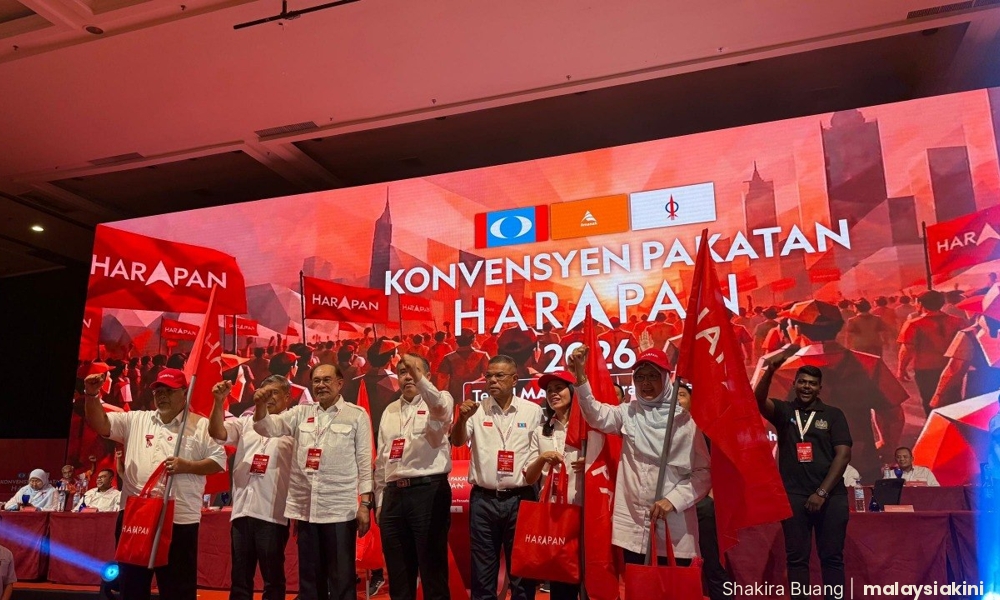
There is an increasing perception within some political circles that continued fragmentation among opposition parties may ultimately strengthen their rivals rather than weaken the government.
This concern appears to be contributing to renewed discussions about whether old political adversaries might once again find strategic reasons to cooperate, despite years of confrontation and mutual distrust.
The historical context cannot be ignored. Bersatu’s earlier departure from Pakatan Harapan contributed directly to one of the most destabilising periods in recent Malaysian political history.
That episode left deep scepticism within segments of Harapan, particularly among leaders and supporters who continue to question the reliability of any future arrangement involving Bersatu.
Statements previously made by DAP secretary-general Anthony Loke urging caution over any renewed cooperation with Bersatu or PAS reflected these lingering concerns about political consistency, institutional trust, and long-term coalition stability.
Politics driven by survival
Nevertheless, Malaysian politics has repeatedly demonstrated that strategic survival often overrides historical hostility. Electoral realities, shifting voter demographics, and coalition mathematics frequently compel former rivals to reconsider their positions.
In practice, political relationships are rarely permanent. Alliances evolve according to changing calculations of power, influence, and electoral viability.
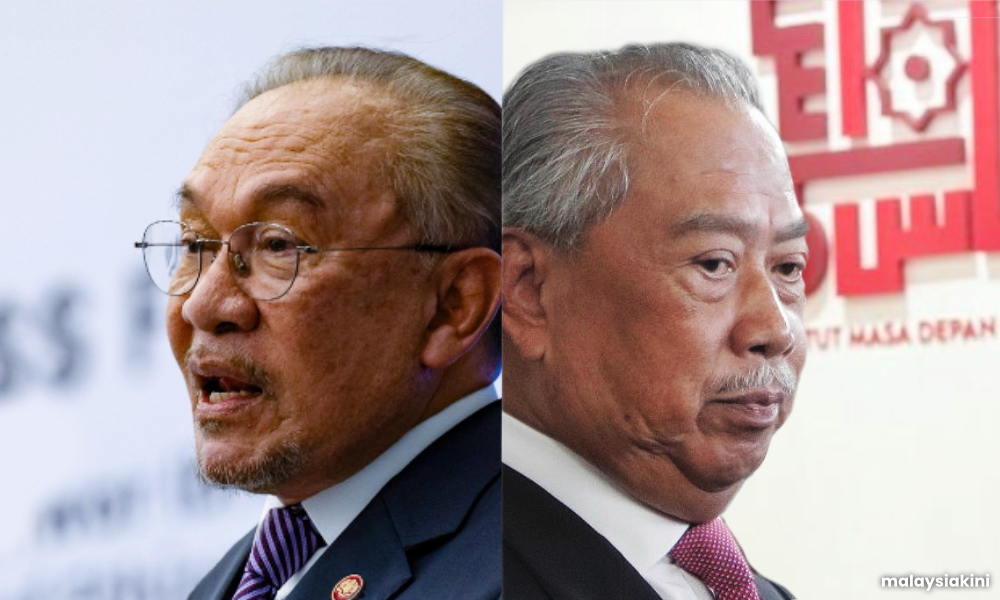
What appears impossible during one political cycle can quickly become strategically necessary in another.
Several voices from within political networks have also contributed to the momentum of the speculation by hinting publicly at possible reconciliation efforts.
These indirect disclosures, whether intentional or tactical, have strengthened perceptions that exploratory discussions may indeed be occurring behind closed doors.
The absence of formal confirmation has done little to suppress the narrative. On the contrary, the silence itself has become part of the political intrigue.
Supporters of a possible reconciliation argue that such a move could strengthen political stability, reduce fragmentation within Malay-Muslim politics, and reinforce parliamentary durability against future shocks.
From a strategic perspective, some believe that broader cooperation between rival blocs could minimise multi-cornered contests and weaken the electoral momentum of competing forces.
Critics, however, view the possibility very differently. For many grassroots supporters, any renewed alignment between Bersatu and Harapan risks being interpreted as a betrayal of earlier political principles and campaign narratives.
Questions regarding consistency, ideological coherence, and public trust would inevitably intensify. Political leaders who once framed one another as existential threats may suddenly be required to justify pragmatic cooperation under the language of national stability. Such transitions are rarely politically painless.
Uncertainty defines Malaysia’s alliances
The broader implication is that Malaysia may once again be approaching a period where coalition flexibility becomes more important than ideological rigidity.
Yet flexibility without clarity also carries risks. If political realignment appears driven purely by survival calculations rather than policy direction or governance priorities, public cynicism could deepen further.
Ultimately, whether Bersatu genuinely moves closer toward Harapan remains uncertain.
However, the intensity of the speculation alone already reveals an important political reality: Malaysia’s electoral landscape remains highly fluid, coalition loyalties remain conditional, and strategic recalibration continues to define the path toward the next general election.
If any formal realignment eventually materialises, it would not merely surprise grassroots supporters. It could fundamentally reshape the national political equation once again.
For policymakers, investors, and voters alike, the deeper issue is not simply whether former rivals reconcile, but whether any future alliance can provide governance, policy predictability, and institutional stability instead of repeating cycles of fragmentation that have weakened confidence nationwide. - Mkini
AZAM MOHD is an independent political and economic analyst.
The views expressed here are those of the author/contributor and do not necessarily represent the views of MMKtT.

No comments:
Post a Comment
Note: Only a member of this blog may post a comment.