


SPECIAL REPORT | The medical check-up system for Nepali workers seeking work in Malaysia has once again sparked controversy, as the country moves to reform a health screening market that has long been criticised for alleged monopolistic practices.
The latest controversy emerged after a notice was posted on the official Facebook account of the Malaysian Embassy in Kathmandu, which involves only specific companies and restricts health screenings for Malaysia-bound migrant workers.
The development has raised questions as it comes at a time when Nepal is loosening the system by allowing more public and private hospitals to conduct health screenings for migrant workers.
However, the notice, dated May 18, was removed several days later without any public explanation.
Based on the contents of the notice seen by Malaysiakini before it was deleted, only 36 healthcare institutions in Nepal were authorised to carry out screenings under the Biomedical System (BMS).
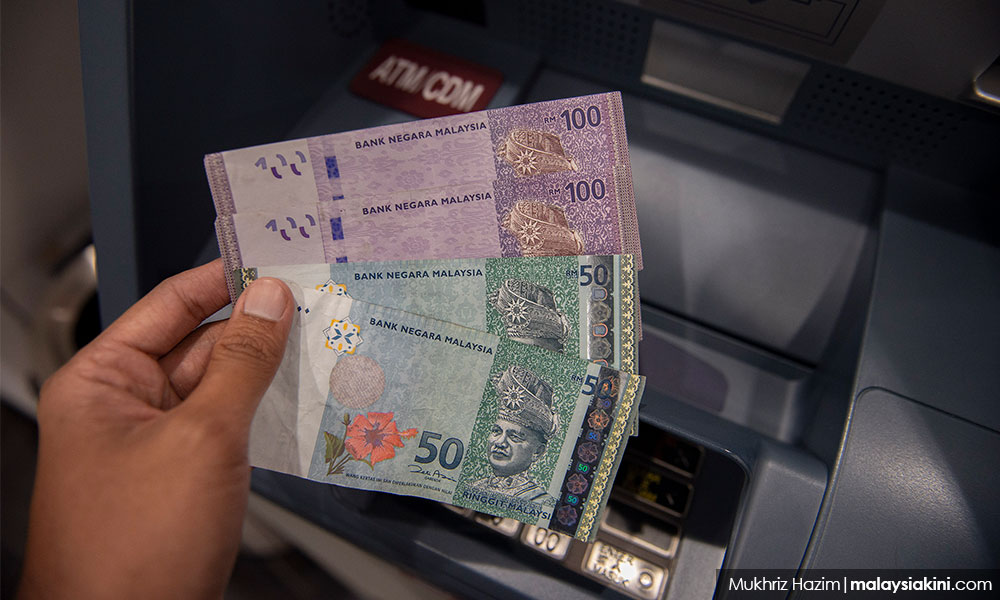
The notice also stated that an additional charge of NPR3,000 (about RM100) would be imposed on each worker.
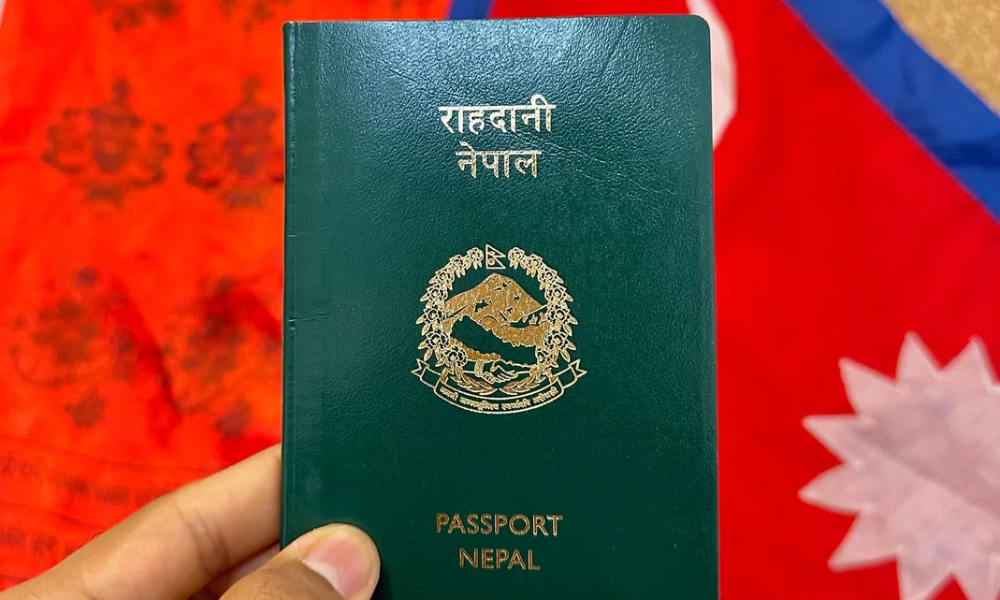
“The Malaysian Embassy in Kathmandu refers to the memorandum of understanding (MoU) between the Malaysian government and the Nepali government on the recruitment, employment, and repatriation of workers, signed on Oct 29, 2018.
“In addition to the charges imposed by the Nepali government, the Malaysian government has set a service fee of NPR3,000,” the notice stated.
Two companies, including Malaysian firm Bestinet Sdn Bhd, were named as authorised parties to administer the BMS in Nepal, including collecting fees and channelling funds.
Malaysiakini has contacted both companies since May 22 but has yet to receive any official response at the time of publication.
Foreign Ministry regrets ‘inaccurate information’
Meanwhile, the Foreign Ministry expressed regret that the notice uploaded by the Malaysian mission contained “inaccurate information”.
However, the ministry stressed that it serves only as a diplomatic communication channel, while policies and implementation relating to migrant worker management fall under the jurisdiction of the Human Resources Ministry.
“Regarding the post uploaded on the Malaysian Embassy in Kathmandu’s social media platform on May 18, 2026, the Foreign Ministry acknowledges and regrets that the public notice published on the mission’s social media page contained inaccurate information.
“This notice in no way changes the fact that policymaking, criteria determination, and implementation of the rationalisation of recruitment agencies remain entirely under the jurisdiction and supervision of the Human Resources Ministry,” the ministry told Malaysiakini.
Malaysiakini also contacted the office of the human resources minister and the ministry’s corporate communications unit on May 26 for comment, but had yet to receive a response.
Old system a ‘trade cartel’
According to a report by Nepal news portal Ratopati.com, Nepal Labour, Employment and Social Security Ministry spokesperson Pitambar Ghimire said the old system, which involved only a small number of medical centres, had long been criticised for high charges and lack of competition.
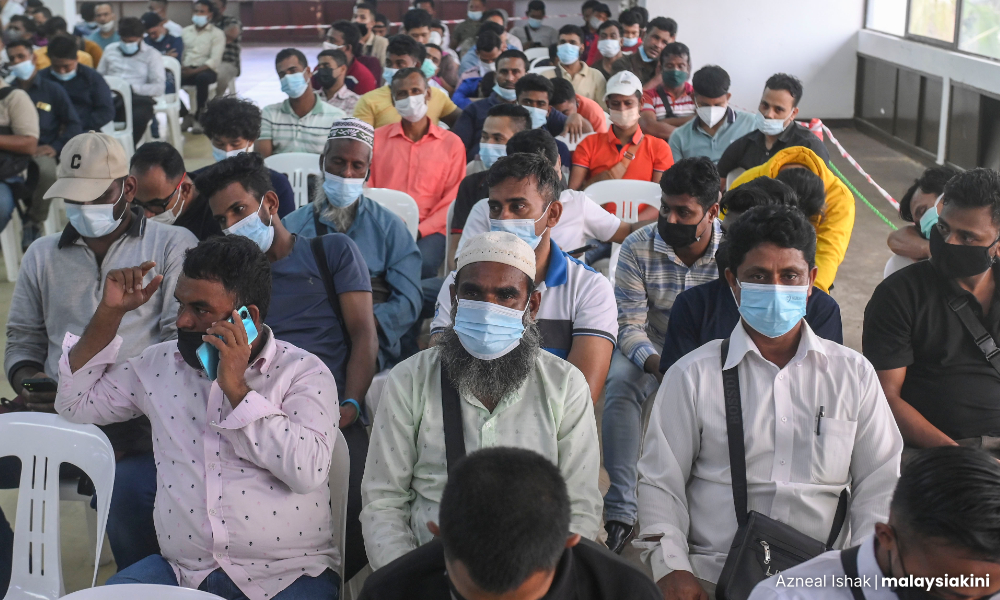
“In the past, only a limited number of private health institutions were allowed to conduct these tests, a system widely viewed as a trade cartel.
“The system was accused of charging high fees, undermining service quality due to a lack of competition, and infringing workers’ rights,” he was quoted as saying.
He added that the Nepali government now allows health screening reports from recognised public and private hospitals.
What is the BMS?
The BMS is an online system used to monitor and manage the health screening of migrant workers before they enter Malaysia.
The system was developed by Bestinet in 2013 alongside the e-VDR (Visa with Reference) system.
The BMS module became mandatory in 2015, before the Malaysian government signed a formal agreement with Bestinet in 2017.
Under the contract, Bestinet was allowed to collect RM100 for each application and became the sole company with exclusive rights in 15 source countries for migrant workers.
The contract was extended for another year by the Perikatan Nasional government in 2021 until May 2022, but was not renewed after its expiry.
Despite this, allegations later surfaced that BMS-related fee collection continued even after the contract had ended.
At the time, Bestinet declined to comment further and asked that questions be directed to the Malaysian government.
‘Attempt to legitimise cartel’
A senior Nepali government source told Malaysiakini that authorities there were surprised by the embassy notice.
“Many in Nepal interpreted the notice as an attempt to legitimise a cartel that has operated for years.
“The embassy notice was issued while Nepal’s Prime Minister’s Office was reportedly seeking investigation files from the previous government regarding this matter,” the source said.
Nepal news portal Onlinekhabar previously reported on the disappearance of labour ministry investigation files relating to alleged irregularities in the migrant worker health screening system.
Malaysiakini emailed the Nepal Embassy in Malaysia on May 22 for official comment.
Most workers allegedly bear costs
Meanwhile, Nepali investigative journalist Anil Adhikari, who has followed the BMS issue for years, said allegations of monopoly within the system were not new.
He said Nepali workers are charged around NPR9,800 (about RM335) for health screenings, but only a small portion is used for actual medical costs.
“Industry sources claim around NPR3,000 is paid to medical institutions, another NPR3,000 is used to sustain the monopoly mechanism, and only RM100 is sent to the Malaysian side,” he told Malaysiakini.
Adhikari also alleged that although labour agreements require employers to bear the cost of health screenings, “more than 90 percent of workers” pay the fees themselves.
He further claimed that some workers who passed screenings in Nepal later failed health checks upon arrival in Malaysia and were repatriated without compensation.
“There are also complaints of workers being forced to undergo health screenings two or three times through cooperation between agents and the system,” he alleged.
Adhikari said monitoring visits he conducted last year to two of the 36 medical centres involved also raised questions about service quality and transparency. - Mkini

No comments:
Post a Comment
Note: Only a member of this blog may post a comment.