

The 65-minute film ‘My name is Mahathir’ won a silver medal at a media festival in Berlin last week.
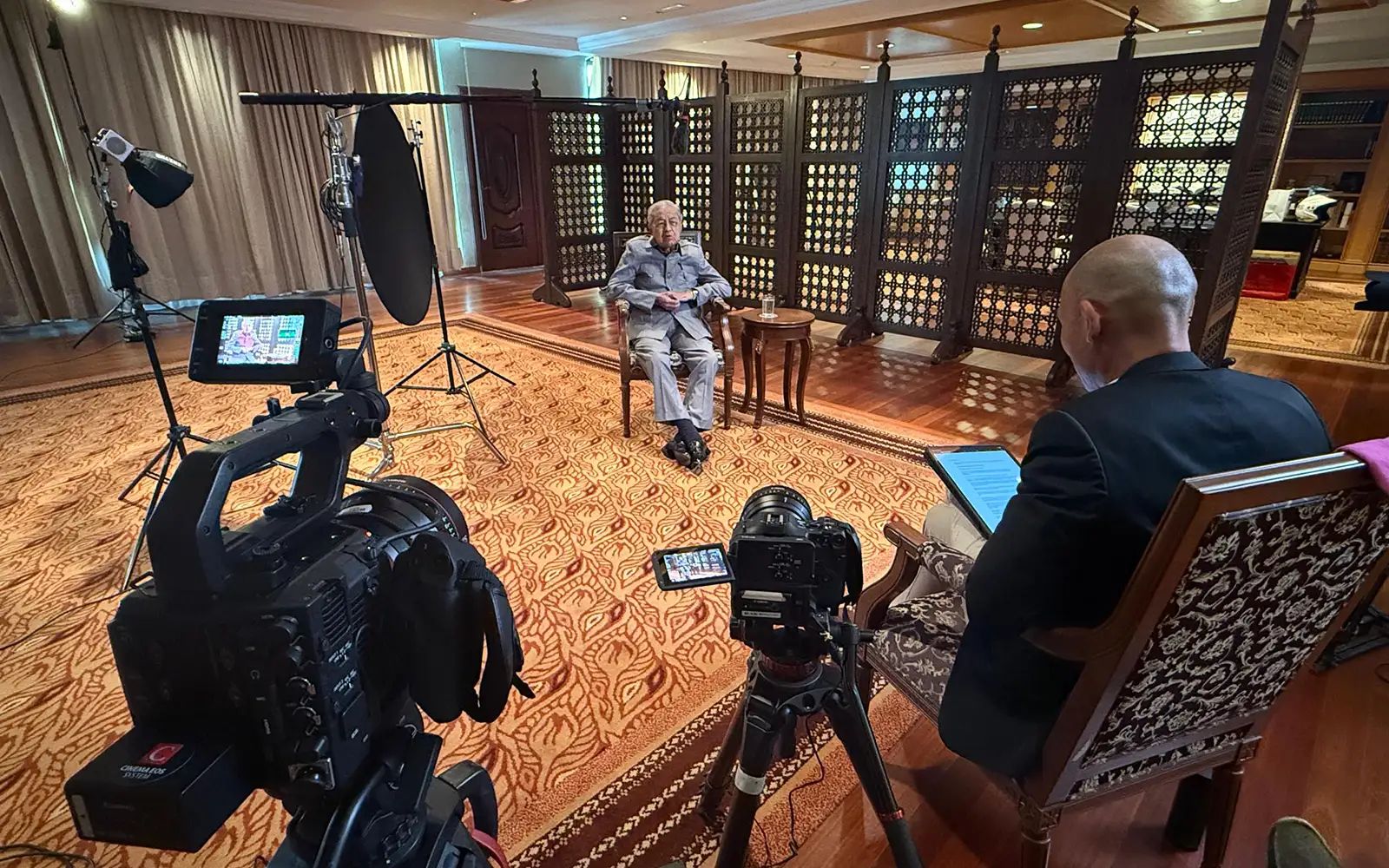
In a documentary about him, he says:
“I’m always being asked what is my legacy. I don’t care about it. They may identify me as a dictator, that is their right. From the very beginning, I decided that I don’t care what people think about me as long as I am doing the right thing.”
This was his last salvo fired in the 65-minute film “My Name is Mahathir,” co-produced by a Singapore-based production company and their Malaysian partners. The film won a silver medal for documentaries at a media festival in Berlin last week.
Mahathir spoke about his early days in politics, his rise to power, his differences with his then deputy, Anwar Ibrahim, the infamous swoops under the Internal Security Act in 1987, his efforts to bring down Najib Razak in 2018, and the story behind his successful marriage, among other matters.
He said prior to Anwar’s sacking in 1998, his deputy prime minister had accused him of indulging in corruption, cronyism and nepotism. Anwar had also questioned him about bailouts of indebted companies linked to political elites.
“He started telling people that I was a dictator, I was corrupt and I practise cronyism and all that. It is difficult to eradicate corruption completely. Although there was corruption, it was minimal. So the country was able to grow. I myself won’t be corrupt,” Mahathir told his interviewer, executive producer Chan Tau Chou.
“Now he says I have stolen money. But when I ask him for evidence, he cannot provide,” Mahathir said.
On his successful marriage, Mahathir said it was a matter of knowing that he and his wife Dr Siti Hasmah Ali function differently with both accepting this reality.
The film also includes interviews with political rivals like Anwar and his daughter Nurul Izzah, activist Kua Kia Soong and Tian Chua, who were both ISA detainees during Mahathir’s watch. Others were Mahathir’s daughter Marina and granddaughter Ineza Roussille, independent political analysts Bridget Welsh and Shamsul Amri Baharuddin.
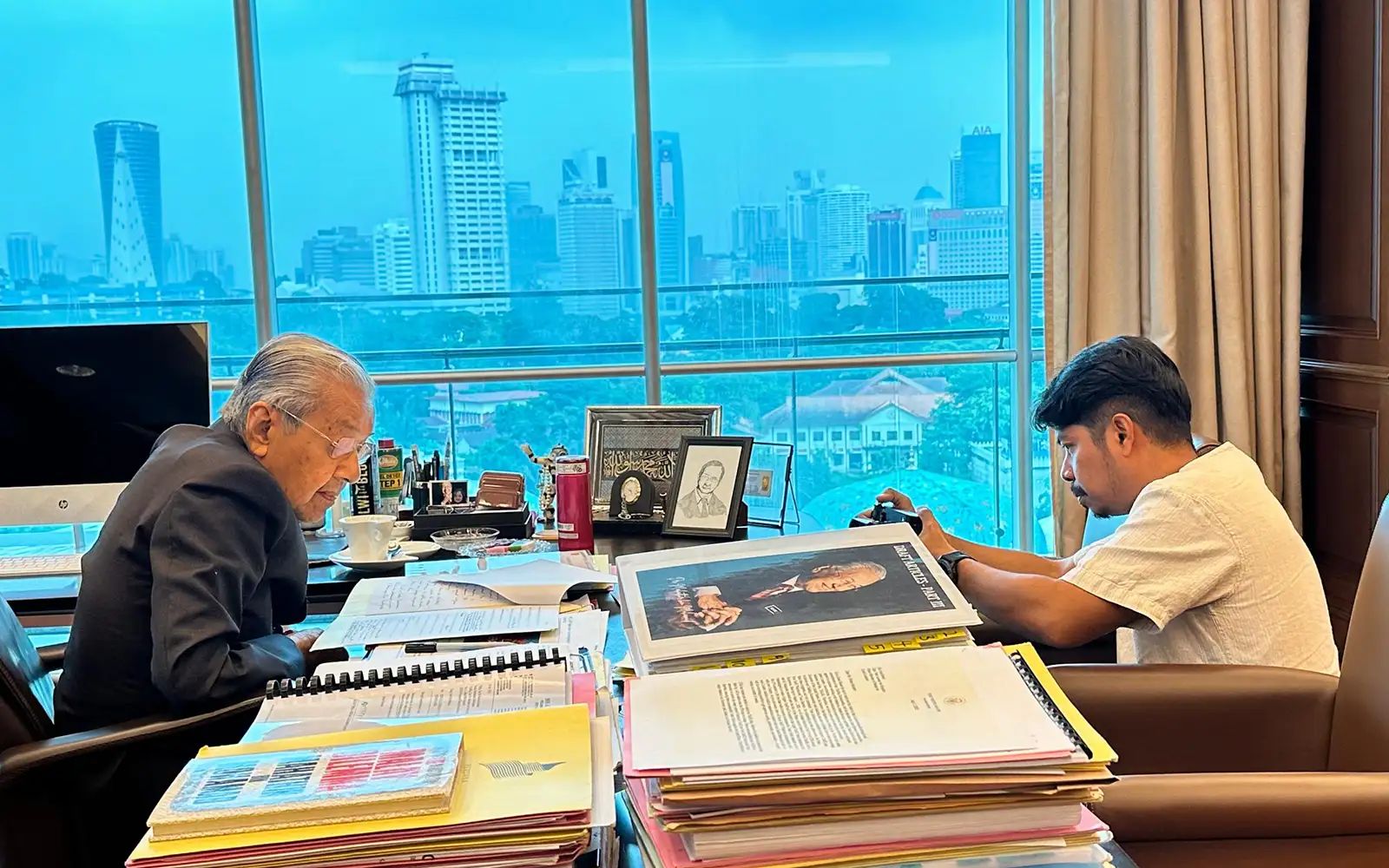
Chan said Mahathir maintains a packed work schedule despite his advanced years.
“Mahathir’s energy levels during these long sessions were admirably high. His trademark plain speaking cut through complex issues with confidence. His generous doses of poker-faced wit made for compelling soundbites,” Chua said.
“Responding to criticism, plaudits and deep reflection points, his mind remained razor sharp. He stopped only for water breaks and occasionally to cough, as he had recently recovered from illness at the time,” he told FMT.
The documentary team were given the green light in November 2024 and were provided exclusive access to Mahathir during his day-to-day activities, apart from the three-day sit-down interview which lasted a couple of hours each time.
Chan said the crew followed him intermittently over nine months, witnessing his public and private moments, constantly being busy over festive occasions, political rallies and countless meetings. The crew had to remain flexible and anticipate changes to his schedule, he added. - FMT

No comments:
Post a Comment
Note: Only a member of this blog may post a comment.