


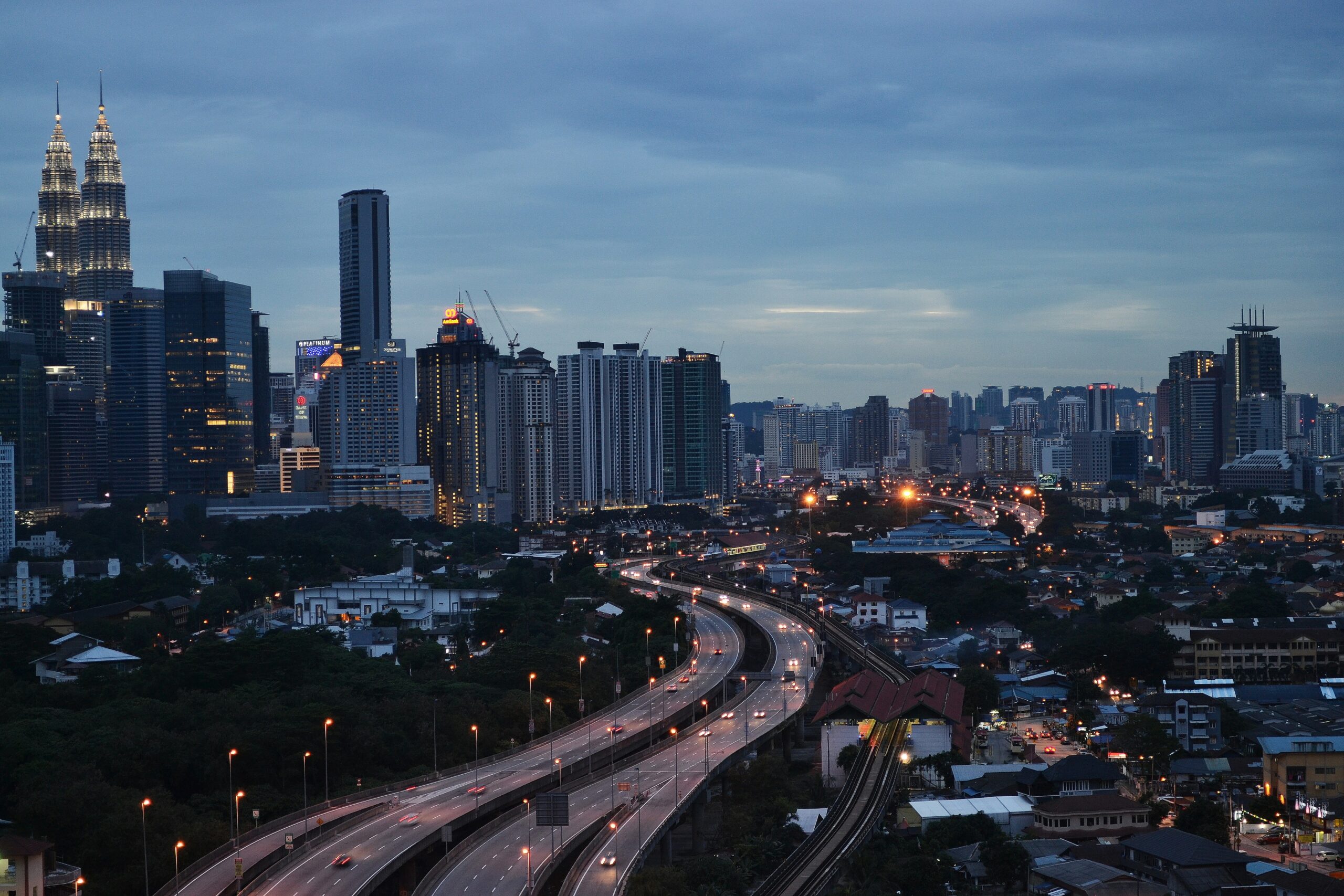
A NEW study has revived an old debate: should the world’s population eventually shrink?
Published in the journal Sustainable Development, the paper argues that reducing the global population from more than 8 billion today to around 4 billion by 2200 could help ease biodiversity loss, carbon emissions and pressure on natural resources.
Importantly, the researchers are not advocating coercive policies. Instead, they support voluntary measures such as improving girls’ education, expanding access to reproductive healthcare and empowering women.
These are sensible policies that deserve broad support. But the study also raises a bigger question: is population size really the greatest obstacle to a sustainable future?
The answer is more complicated.
There is no denying that population growth increases demand for food, housing, water and energy. More people inevitably place greater pressure on forests, biodiversity and finite natural resources.
Countries with rapidly growing populations often struggle to provide enough schools, hospitals, housing and jobs for their citizens.
Yet focusing only on population risks overlooking a much larger issue: how we consume.
A child born in a high-income, high-consumption society is likely to leave a far larger environmental footprint over a lifetime than several children born in poorer communities.
Wealthier countries, and the wealthiest individuals within them, consume energy, minerals and manufactured goods at levels far beyond the global average.
If we are serious about protecting the environment, we must address excessive consumption, wasteful lifestyles and inefficient production systems, not just population numbers.
Malaysia offers an interesting perspective.
Our fertility rate has already fallen below replacement level, while our population continues to age.
Like many middle-income countries, we are beginning to face labour shortages, rising healthcare costs and increasing pressure on pension systems. Celebrating lower birth rates without preparing for these demographic realities would be short-sighted.
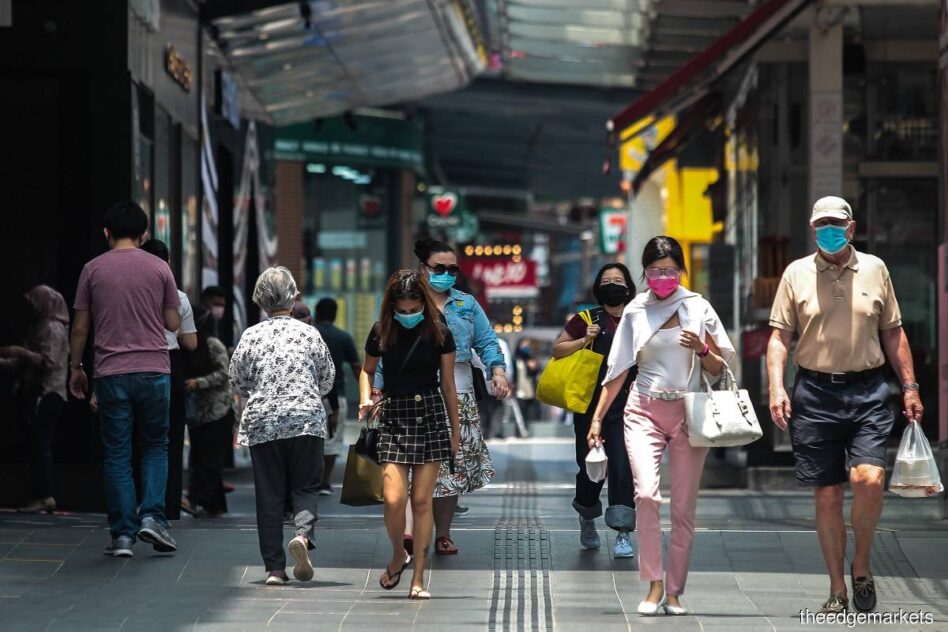
Rather than focusing solely on having fewer people, we should focus on helping every Malaysian contribute more effectively to society.
That means investing in education, automation, artificial intelligence and innovation so that a smaller workforce can generate higher productivity.
It also means supporting healthy ageing, lifelong learning and greater workforce participation among women and older Malaysians.
It is equally important to remember that people are not simply consumers of resources. They are also creators of solutions.
Every scientific breakthrough, medical discovery and technological innovation began with human curiosity and ingenuity.
A larger population also means more scientists, engineers, entrepreneurs and innovators capable of developing cleaner technologies, improving agricultural productivity and solving environmental challenges.
Human intelligence remains one of our most valuable renewable resources.
The real objective, therefore, should not be reaching an arbitrary population target. It should be building societies that live within the planet’s ecological limits.
That means accelerating the transition to renewable energy, improving public transport, protecting forests and biodiversity, reducing food waste and embracing a circular economy where resources are reused rather than discarded.
At the same time, governments should continue supporting voluntary family planning, quality education and women’s empowerment as essential pillars of sustainable development.
Perhaps the most valuable takeaway from the study is not the proposed figure of 4 billion people. It is the reminder that humanity cannot continue consuming resources as though the planet has no limits.
Whether the world’s population eventually stabilises at four, six or eight billion matters less than whether we learn to use resources responsibly, share them fairly and preserve the environment for future generations.
For Malaysia, the challenge is not simply about having fewer people. It is about building a healthier, better educated, more innovative and environmentally responsible society.
The future will not be determined by population size alone. It will depend on the choices we make, the technologies we develop and our willingness to live more sustainably.
That, more than any target number, will determine whether future generations inherit a planet worth living on.
KT Maran is a Focus Malaysia viewer.
The views expressed are solely of the author and do not necessarily reflect those of MMKtT.
- Focus Malaysia.

No comments:
Post a Comment
Note: Only a member of this blog may post a comment.