


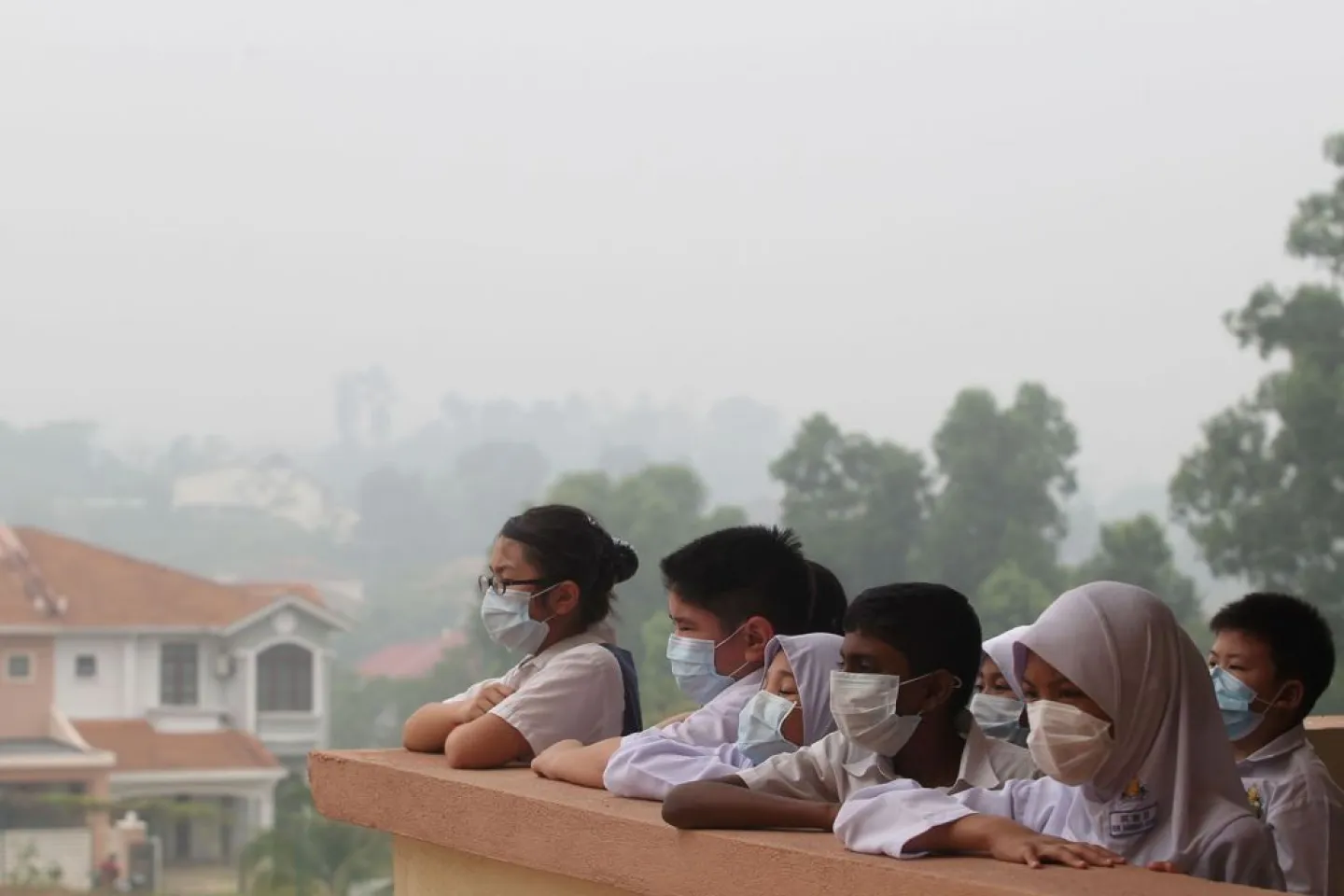
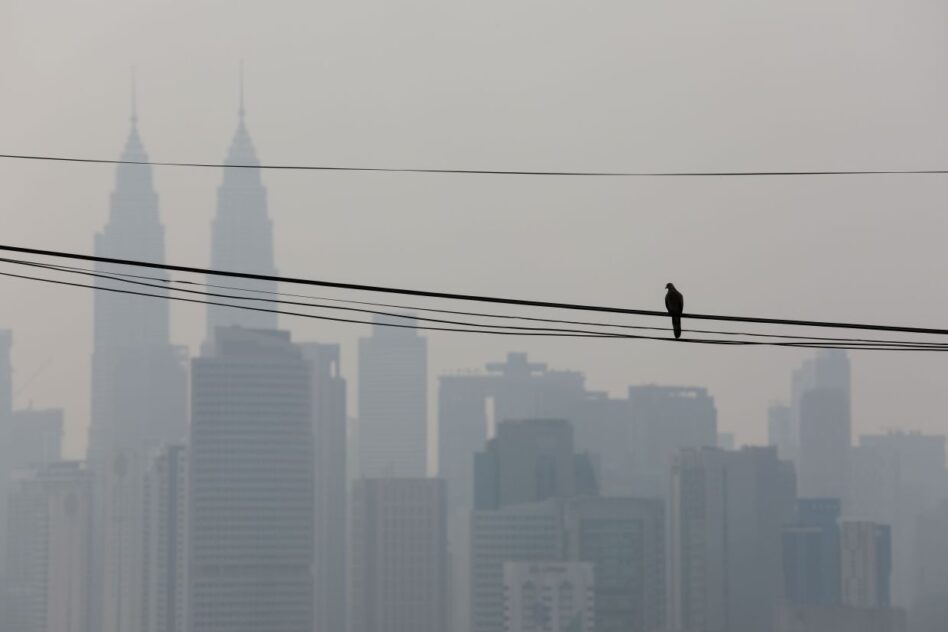
WHEN haze returns, public attention naturally turns to the Air Pollutant Index (API). We watch whether readings are moderate, unhealthy or hazardous, and use them to decide when outdoor activities should be reduced or schools may need to close.
Those readings are essential, but they do not tell the whole story. Children do not all respond to haze in the same way. Their age, underlying health, physical activity and environment can all influence how air pollution affects them.
Protecting children therefore requires more than watching the numbers. Families and schools must recognise individual vulnerabilities, respond to early symptoms and prepare before conditions become severe.
Haze can disrupt health and learning
Haze can cause coughing, nasal congestion, headaches, fatigue and breathing difficulties. Even relatively mild symptoms can affect a child’s concentration, classroom participation and attendance.
Children are particularly vulnerable because their lungs and immune systems are still developing.
They also breathe in more air relative to their body weight, while physical activity increases exposure to PM2.5, fine particulate matter that can penetrate deep into the lungs.
Those with asthma, allergies, eczema, chronic respiratory disease or heart conditions face greater risks and may experience worsening symptoms even when their peers appear unaffected.
The effects are not only physical. Missing sports, outdoor play and social activities, spending extended periods indoors and worrying about worsening symptoms can also affect emotional wellbeing.
Haze preparedness should therefore protect children’s learning and daily routines, not simply prevent medical emergencies.
Preparedness should reflect individual needs
Parents should monitor air quality through the official Malaysian Air Pollutant Index Management System and reduce non-essential outdoor activities when conditions become unhealthy or continue to deteriorate.
Children should never be encouraged to “push through” coughing, wheezing, chest tightness or breathing difficulties to complete outdoor activities.
API readings should always be considered alongside a child’s health and symptoms. Children with asthma or other chronic conditions may need to reduce exposure earlier and should follow advice from their healthcare provider.
At home, windows and doors should be kept closed where appropriate. Air purifiers fitted with high-efficiency particulate air (HEPA) filters can help improve indoor air quality, while families should avoid smoking, burning incense or other activities that generate fine particles indoors.
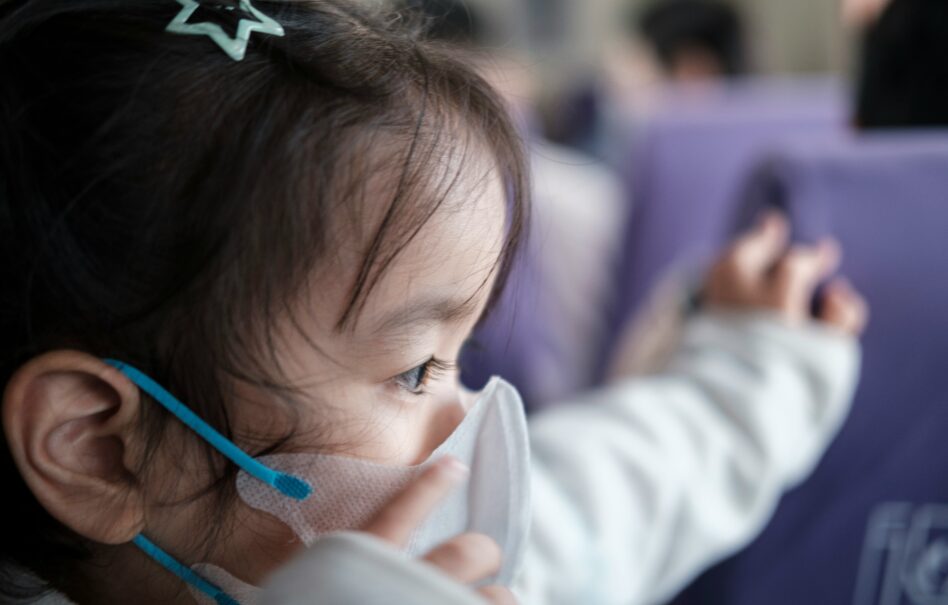
When children need to go outdoors, a well-fitted N95 or KN95 mask offers better protection against fine particles than cloth or surgical masks, provided it fits securely around the face.
Schools play a vital role
Schools should have clear haze-response plans covering API monitoring, timely communication with families and adjustments to activities, in line with Malaysia’s National Haze Action Plan.
Physical education classes, sports, field trips and outdoor assemblies should be moved indoors or postponed when necessary. Schools should also identify students with chronic health conditions and ensure they have access to prescribed medication and appropriate support.
Maintaining cleaner indoor environments is equally important. Where possible, classrooms should minimise the entry of polluted outdoor air and use suitable filtration systems.
Academic accommodations or home-based learning may also be considered when symptoms affect attendance or prolonged haze disrupts normal school operations.
Recognising when medical help is needed
Medical advice should be sought if symptoms persist, worsen or interfere with normal activities. Children with asthma, chronic lung disease, heart conditions or significant allergies require particularly close monitoring.
Urgent medical attention is needed if a child develops severe breathing difficulty, significant chest pain, marked wheezing, bluish discolouration around the lips, fingernails or face, unusual drowsiness, confusion or rapidly worsening symptoms.
Preparedness should never become an afterthought once a child begins struggling to breathe.
By acting early and responding to individual needs, families, schools and healthcare providers can reduce the impact of haze on children’s health, learning and wellbeing.
Dr Sapna Shridhar Patil is a Senior Lecturer in Public Health at the School of Medicine, Faculty of Health and Medical Sciences, Taylor’s University.
The views expressed are solely of the author and do not necessarily reflect those of MMKtT.
- Focus Malaysia.

No comments:
Post a Comment
Note: Only a member of this blog may post a comment.