


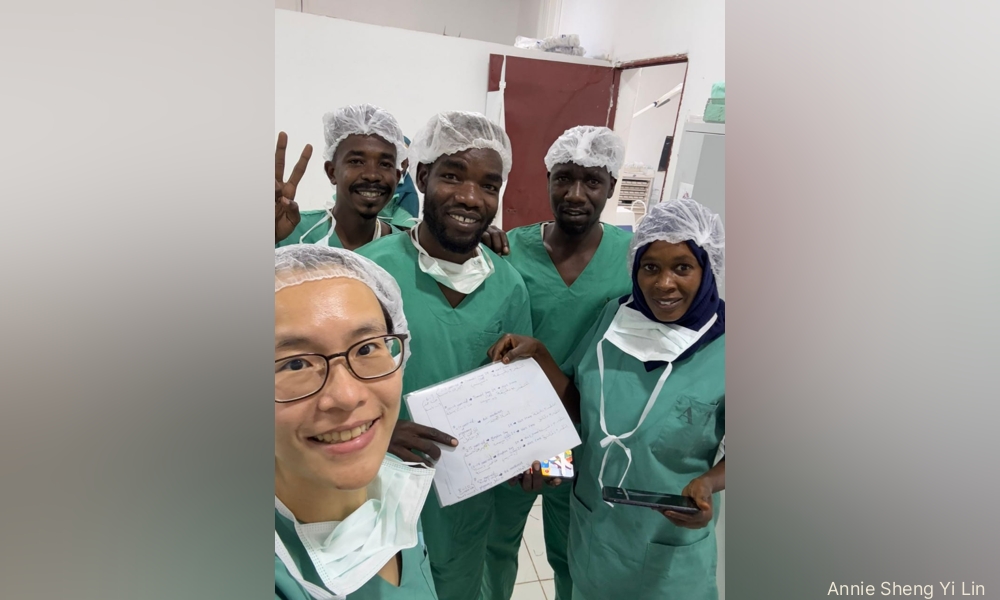
When Dr Annie Lin Sheng Yi first arrived in Tawila, Sudan, after a three-day journey from Chad, she realised immediately that this would be the most challenging mission of her career.
The Taiwanese anaesthetist, deployed by Doctors Without Borders, also known as Médecins Sans Frontières (MSF), had already served in Afghanistan and Sierra Leone, but nothing prepared her for Tawila, a remote, dusty settlement with a hospital so bare-bones that even basic diagnostic tools were missing.
Still, this facility, with its limited equipment and only two operating theatres, was the only functioning hospital for miles.
Since April 15, 2023, the Sudanese army and the Rapid Support Forces (RSF) have been locked in a war that regional and international mediations have failed to end.
The conflict has killed 20,000 people and displaced more than 15 million as refugees and internally displaced persons, according to UN and local reports.
The situation worsened drastically on Oct 26, when El Fasher, a city 60km away from Tawila, fell to the RSF. Overnight, Tawila began receiving waves of civilians fleeing the violence.
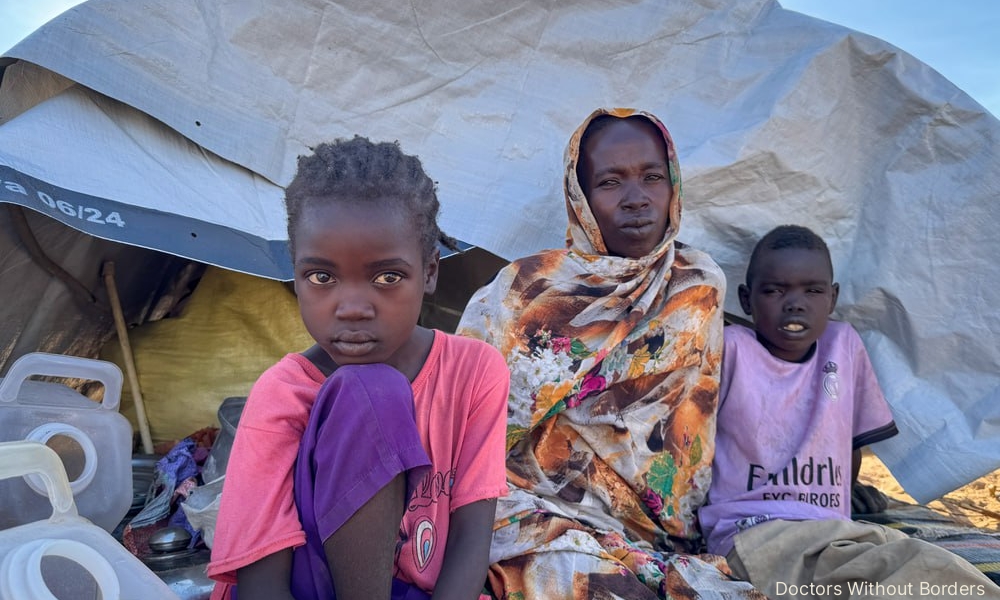
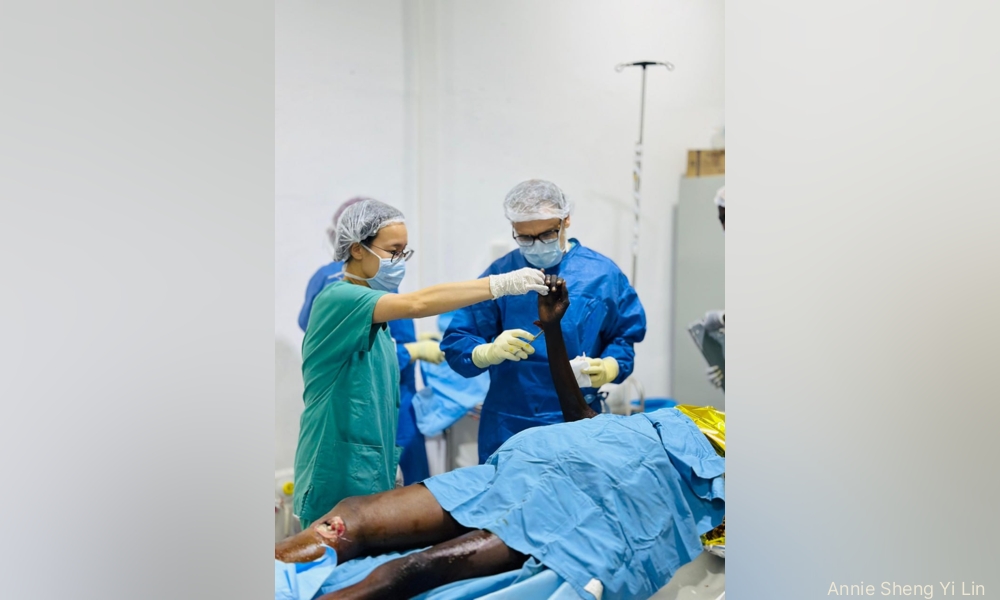
“Before the mass casualties, we had six to eight surgeries per day. But after the fall of El Fasher, the number of surgeries grew all the way up to 24 surgeries per day.
“That’s like three to four times more. And that condition continued for about two weeks,” Lin said.
The doctor said most of the displaced were severely malnourished due to the RSF’s 18-month siege of El Fasher, which cut off food, medicine, and humanitarian aid.
“The children were so malnourished that if I didn’t know their age, I would think a three- or four-year-old was one or two,” she added.
With no specialists available and no functioning referral hospitals left, Lin frequently had to perform procedures far outside her field.
She recalled having to remove a foreign object from a nine-month-old’s oesophagus after the child had been vomiting for more than a day - a procedure typically performed by an ENT specialist.
A mother’s death still haunts
Among the countless trauma cases she handled, one still weighs heavily on her.
During what was meant to be a routine C-section, the patient’s heart suddenly stopped. The team managed to revive her, but without imaging, blood tests, or advanced monitoring, they could not determine what caused the collapse.
“We didn’t even have an X-ray, so we didn’t know the reason for her sudden deterioration.
“Even though she regained her heartbeat and blood pressure after CPR, she couldn’t wake up. And after one day, we lost her.
“In Sudan, it’s quite normal that a mother would have eight to 10 kids. And that patient had 10 kids. So after that day, we lost her, and her 10 kids lost their mother,” she said.
While MSF staff fight to keep Tawila’s hospital running, a larger threat looms over Sudan’s already fragile healthcare system.
US aid cuts worsen crisis
According to MSF Asia Pacific head of communications Polly Cunanan, Sudan is experiencing one of the world’s worst and most neglected humanitarian crises.
“MSF is the only hospital at the moment run by an international NGO. There’s no other organisation providing medical care to the people, and they really need medical assistance,” she said.
But Cunanan said global humanitarian response is being severely undermined by cuts in US funding, which traditionally supported treatment for malaria, HIV, malnutrition, and key hospital services across crisis zones.
“Because of the funding cuts, we’re seeing medical facilities shutting down. That means more patients coming to MSF hospitals, because we are the ones who are left to fill in the gaps,” she added.
Meanwhile, Lin said that after the fall of El Fasher, graphic images and interviews with victims briefly drew international attention, leading to a temporary shift in behaviour by the RSF.
“After the media interviewed all those victims, more international focus went to Sudan. That made the RSF kind of stop the torturing or the genocide in El Fasher,” she said.
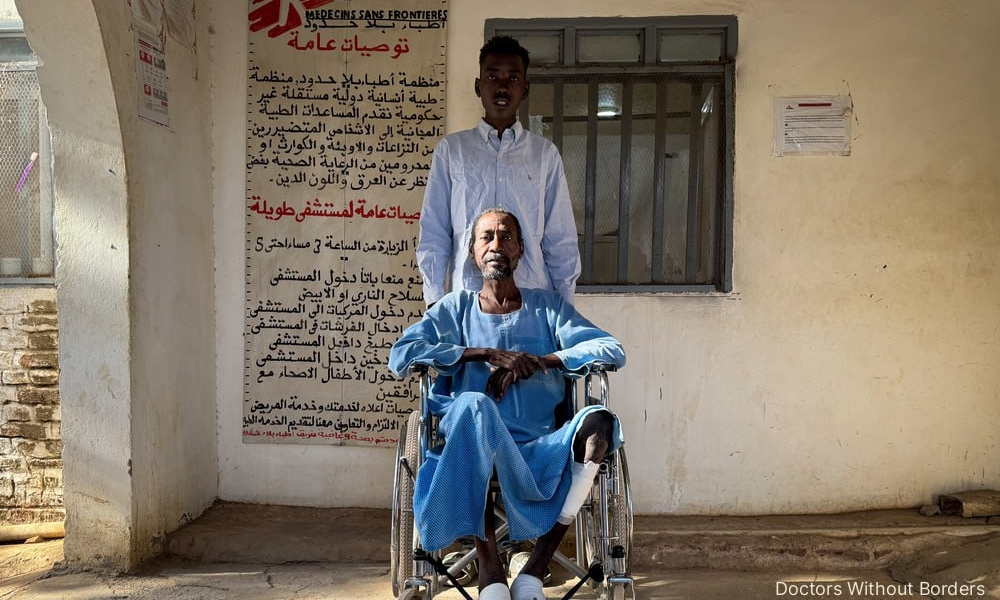
However, she said RSF subsequently restricted civilians from leaving the city.
“They didn’t allow more people to escape. Maybe they’re afraid more victims will speak out and tell the bad things about them,” she added.
Donations and awareness make a difference
Cunanan stressed that Malaysians and the global public can make a difference.
“MSF is funded mostly by individuals. Even small donations help us buy emergency supplies, fuel for generators, and essential medications.
“And spreading awareness helps restore visibility to Sudan,” she said.
For Lin, the plea is simple but urgent.
“I just want the world to pay attention. If we cannot stop the war, at least stop torturing innocent people. Stop the genocide,” she said. - Mkini

No comments:
Post a Comment
Note: Only a member of this blog may post a comment.