


I was sitting at my usual mamak the other day when my wife and children were all out having active social lives. I was watching a family sitting a few tables from me.
The parents were both deep into their phones. Their two kids, both look like under the age of twelve, were so deep into their iPads they looked like they were trying to be one with the matrix.
They were all in a full-blown digital trance. If Maya Karin had landed next to the tandoori basin in a mermaid costume and started ordering cheese naan, that entire family wouldn't have blinked at all.
Then I realised that these children are now technically “outlaws”. It’s 2026, and if you’re under 16, you’re legally not allowed to be on social media. No TikTok, no Instagram, no YouTube, etc. As of this year, we’ve essentially declared a digital curfew for anyone who hasn't hit puberty (in stages throughout the year).
Initially, I thought that it was a good move, even though it’s right out of a chapter from the “Abah knows best” book. But looking at those children at the mamak, I started to wonder if we are actually protecting them, or we're just trying to ban the rain because we’re too lazy to buy an umbrella?
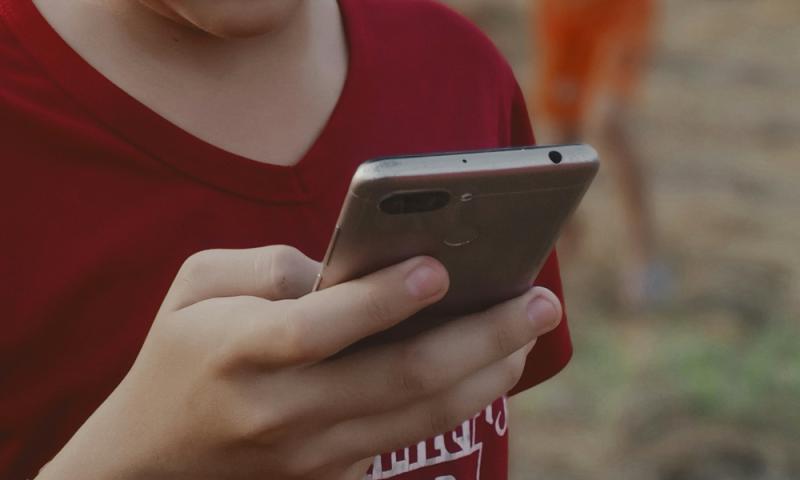
We aren't alone in this. Malaysia is just joining a slew of other nations doing it. Australia kicked things off by banning social media for under-16s late last year, and now France, Norway, and Denmark are all rushing to pass their own laws for 2026. Even in the US, states are capping screen time for their youth.
Online Safety Act
Communications Minister Fahmi Fadzil has basically become the nation’s headmaster or principal in this global crackdown. The logic is simple: the internet is a mess. We’ve got cyberbullying, scammers who could sell ice to an Eskimo, sexual predators and algorithms that turn perfectly normal teenagers into "influencers" who think the pinnacle of success is a 15-second dance in a mall.
So, the government stepped in with the Online Safety Act. They also told TikTok, Facebook, WhatsApp, Instagram, Telegram and YouTube to register with the government (automatically now). There is also talk about the eKYC, which means you might need to show your MyKad just to post a picture of your cat online.
All this does seem familiar, doesn’t it? Remember all the talk we’ve had about sex education in the country? For years, whenever someone suggests teaching kids about sex, there will be a small group of people who will loudly panic and have a mini stroke.
They think that mentioning the word sex in a classroom is like giving a child a pornographic manual and a free hotel stay for the weekend. They believe that by keeping children in the dark about sex, they’re keeping them pure and sinless. But we all really know how that ends.
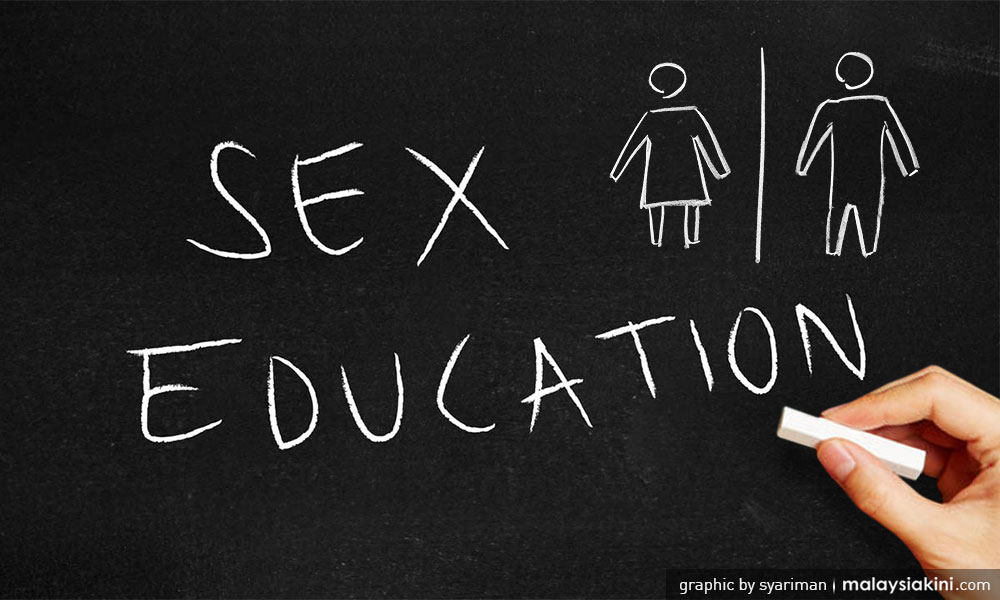
By not teaching them, we aren't preventing them from learning; we're just ensuring they learn from the worst possible sources. Instead of a teacher explaining boundaries and safety, they get a distorted, weird version from the darker corners of the internet.
From one perspective, the social media ban is the same thing. We think that by banning the apps, we’re stopping the bad influence, but in reality, we’re just making sure that when they do get on (and they will), they have absolutely no idea how to spot a scammer, a bully or a sexual predator.
Finding the balance
Now, don't get me wrong. I get it. The government has to do something. When you hear about 12-year-olds being groomed in Discord or kids falling into depression because they don't have enough followers, you need to do something. Enacting laws is understandable. In fact, it's a sign that the authorities are in touch with the times.
But the challenge is finding the balance. On one side, you have the total-control-big-brother approach, which feels safe but creates a generation of tech-illiterate outlaws. On the other hand, you have the free-for-all approach, which is basically tossing your kid into a pool and hoping they will learn to swim on their own.
The middle ground is incredibly hard to police. How do you write a law that protects a child without suffocating their curiosity? How do you mandate safety without turning the internet into a sterile, state-monitored lobby? Told you it’s tough. But we still have to try.
Being aware means knowing that something exists. It’s knowing that a like or a thumbs up is just a tiny hit of dopamine designed to keep you scrolling until your eyes turn into raisins. It’s understanding that the person shouting at you on X is probably just a bot or someone who really needs to find a girlfriend (or boyfriend).
But if we outlaw the platforms, what happens when they turn 16? Would they suddenly be culture shocked with everything that they are exposed to? We all know the dangers of jumping into something with years of suppressed curiosity. They’ll go from zero to being scammed in 10 seconds flat.
Parents’ role
Honestly, we parents are part of the problem. How many times have we just handed over the phone or the tablet the second our child starts to whine in the car or starts fighting with each other? We need to treat social media like a kettle of boiling water. You don't just tell a child not to touch it and walk away. You need to teach that it’s hot.
I’m not saying that my wife and I are perfect parents, but we try our best. When it comes to gadgets, my three children get to use them, but with limited time. We also monitor their usage at all times, and if there’s anything risky, we talk to them about it. We always try to keep the communication channel open.
It’s like how we would allow our kids to watch old Disney princess movies, but would always talk to them about it and explain how the way women are represented in the media is very important and that there must always be gender equality without discrimination and oppression.
The problem, or challenge, of raising kids today isn't going to be solved by a politician or a new age-verification algorithm alone. It’s going to be solved by all of us actually being there to bridge the gap between the law and the login screen. If we don’t like what our children are seeing, we need to change what we’re showing them.
As I finished my teh tarik, I saw the father from earlier finally put his phone in his pocket. He looked at his son and asked if Liverpool was going to win the match that night. His son laughed and said, “No way!” The mother and daughter laughed too.
That gave me some hope. At least that family still has one foot in reality. - Mkini
ZAN AZLEE is a writer, documentary filmmaker, journalist and academic. Visit fatbidin.com to view his work.
The views expressed here are those of the author/contributor and do not necessarily represent the views of MMKtT.

No comments:
Post a Comment
Note: Only a member of this blog may post a comment.