


Prime Minister Anwar Ibrahim today took to social media to explain to the public why fuel prices locally continue to rise despite being an oil-exporting nation amid rising tensions in West Asia.
Taking to Facebook, Anwar mentioned two points - the first being that Malaysia imports more crude oil than it exports.
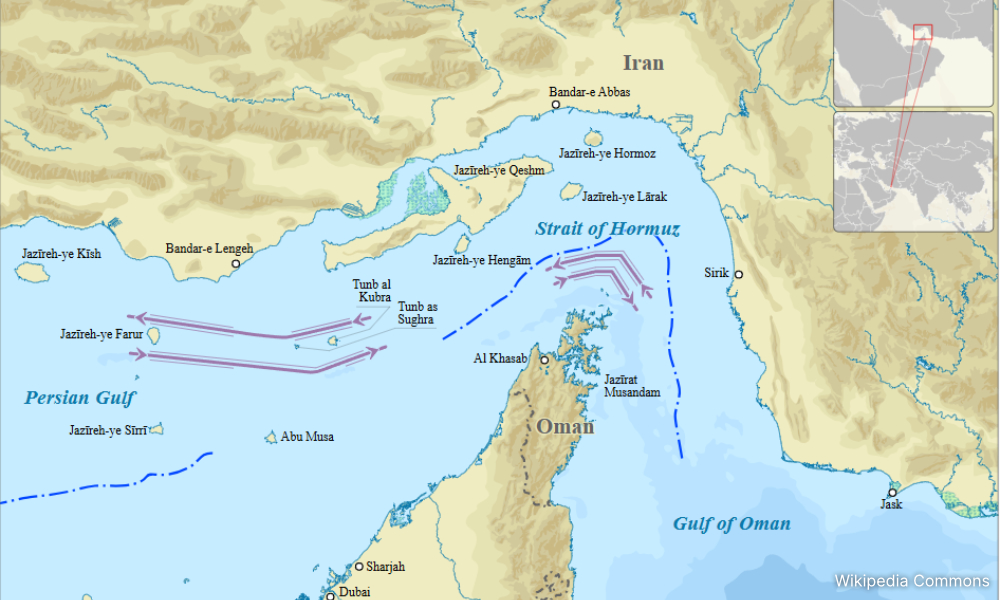
Secondly, he said Malaysia is also impacted by the closure of the Strait of Hormuz in Iran, as nearly 50 percent of the country’s oil imports pass through the waterway.
“The Strait of Hormuz, an important route for the global oil supply, is affected due to the conflict. As such, the global oil supply becomes limited, resulting in skyrocketing prices.
“To safeguard the people’s well-being, the government has increased the subsidy from RM700 million to RM3.2 billion in less than a week.
“The people and the business community at large need not pay the market price because the subsidy will be channelled through the Budi95 and Budi diesel schemes,” Anwar said on Facebook today.
A short video attached to the prime minister’s post also noted that last year, Malaysia exported crude oil worth RM5.5 billion. However, the country imported RM12.6 billion of the same commodity.
RON95 price stays while fuel costs spike abroad
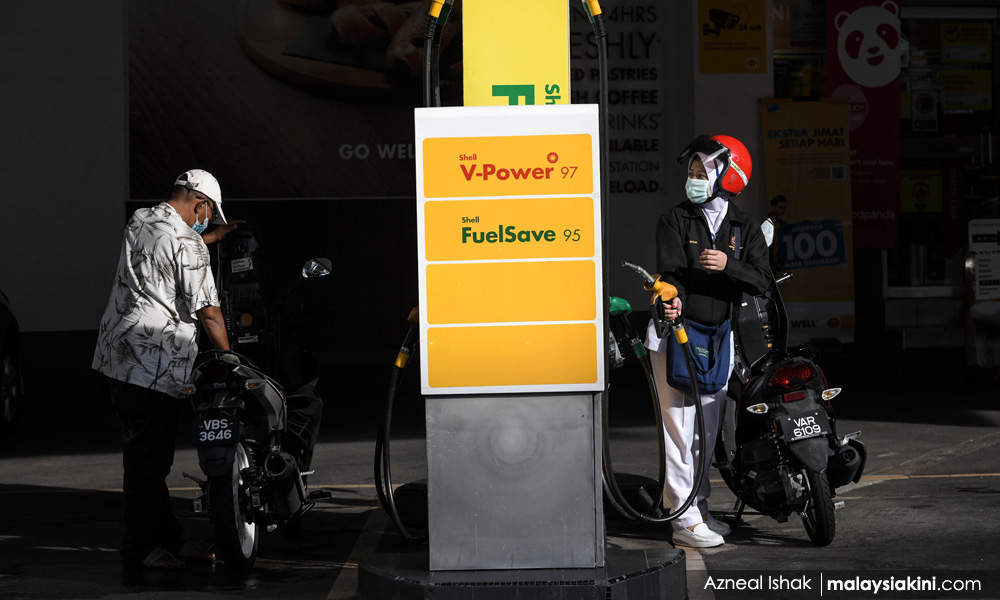
On March 19, the government announced that diesel prices are up by 80 sen to RM4.72 per litre, while RON97 prices have increased by 70 sen to RM4.55 per litre.
Unsubsidised RON95 prices remained at RM3.72 per litre.
The Finance Ministry assured that the subsidised Budi95 rate of RM1.99 per litre for RON95 will be maintained despite the jump in global oil prices.
For comparison, in Singapore, RON95 is priced at S$3.47 (RM10.64) per litre as of March 18, up from S$2.92 (RM8.92) earlier this month.
Citing the fuel price comparison portal motorist.sg, Bernama reported that diesel prices have risen steadily over the past three weeks since the Strait of Hormuz was closed, peaking at S$3.63 (RM11.10) per litre on March 18.
PN urges bipartisan stakeholder committee
Earlier today, Perikatan Nasional chairperson Ahmad Samsuri Mokhtar urged the government to establish a forum like the national consultation and intervention council, with representation from various stakeholders, to address the rising prices of fuel.
The PAS vice-president warned that Malaysia may soon feel the effects of rising oil prices and said the challenges facing the country require a non-partisan approach that prioritises national interest over party politics.
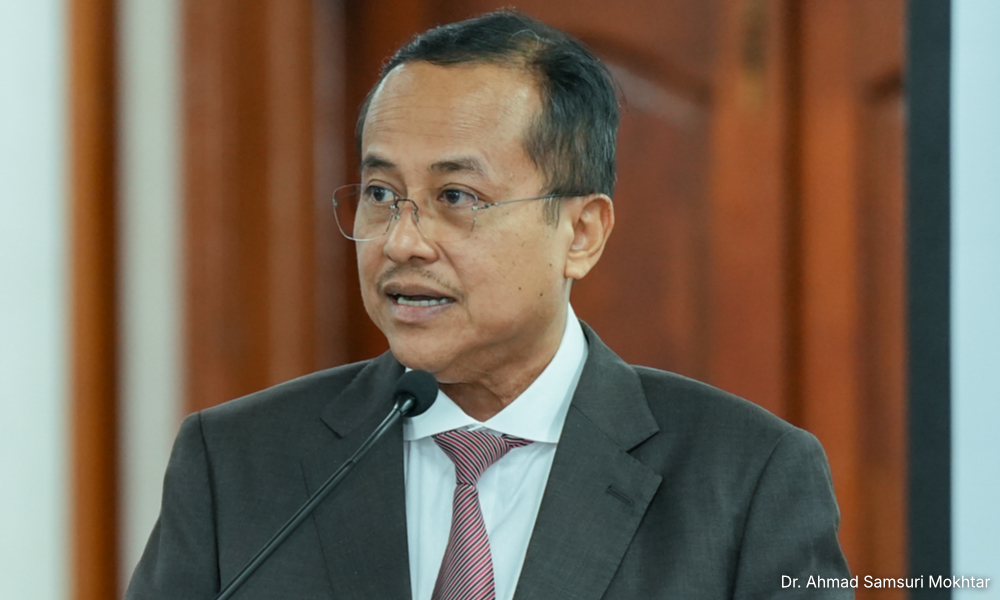
“Our response must be inclusive, unified, and driven by a commitment to collective action.
“So, I’m proposing the comprehensive involvement of all stakeholders: the government, the opposition, NGOs, academics, industry leaders, and civil society representatives to ensure that every policy decision reflects the collective will and the best interests of our nation,” he added.
Bernama reported that Iran’s parliament is preparing to pass a law imposing fees on ships for “safe passage” through the Strait of Hormuz.
Under pressure over soaring energy prices, US President Donald Trump has threatened to “obliterate” Iran’s power plants, starting with the largest, if Tehran does not open the Strait of Hormuz within 48 hours.
- Mkini

No comments:
Post a Comment
Note: Only a member of this blog may post a comment.