


Anja Juliah Abu Bakar left a high-paying corporate job with a bold, almost ridiculous joke.
“I want to become someone known in a unique way... I want to see myself go to the White House and Buckingham Palace.
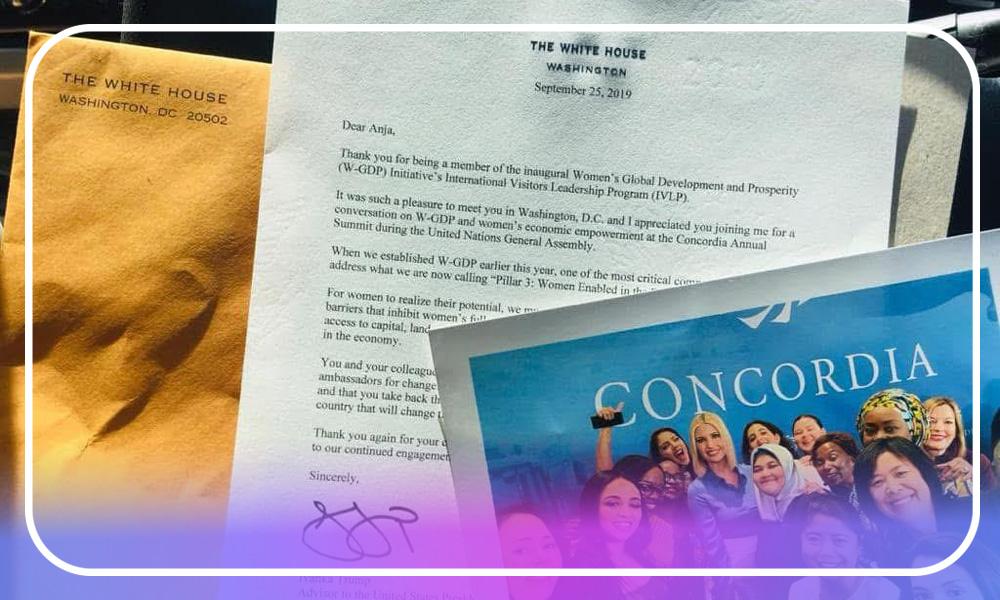
“I was just saying (kita main cakap jer), but when seven years later, I got a call from the White House, I was shocked,” Anja, 52, said, reflecting on how her life’s affirmations, though spoken in jest, became a reality in 2019.
Then, she was selected as one of only 18 women globally to attend the launch of the Women’s Global Development and Prosperity (W-GDP) initiative at the US Embassy in Kuala Lumpur.
“I was shortlisted from about 2,000 women down to 60, and then to the final list of 18.
“I felt honoured,” Anja shared, describing the moment she met the initiative’s founder, Ivanka Trump.
Anja wasn’t there as a traditional corporate leader, but as a social entrepreneur tackling period poverty by turning the “taboo” topic of menstrual hygiene into a scalable business model.
Her invitation recognised her work in rural communities, where she proved that providing sustainable cloth pads was not just about hygiene - it was also an economic tool that kept girls in school.
By solving a problem many were too shy to discuss, her social enterprise earned her a seat at one of the world’s most powerful tables.
Global recognition
Just three years after her visit to the White House, another global recognition followed.
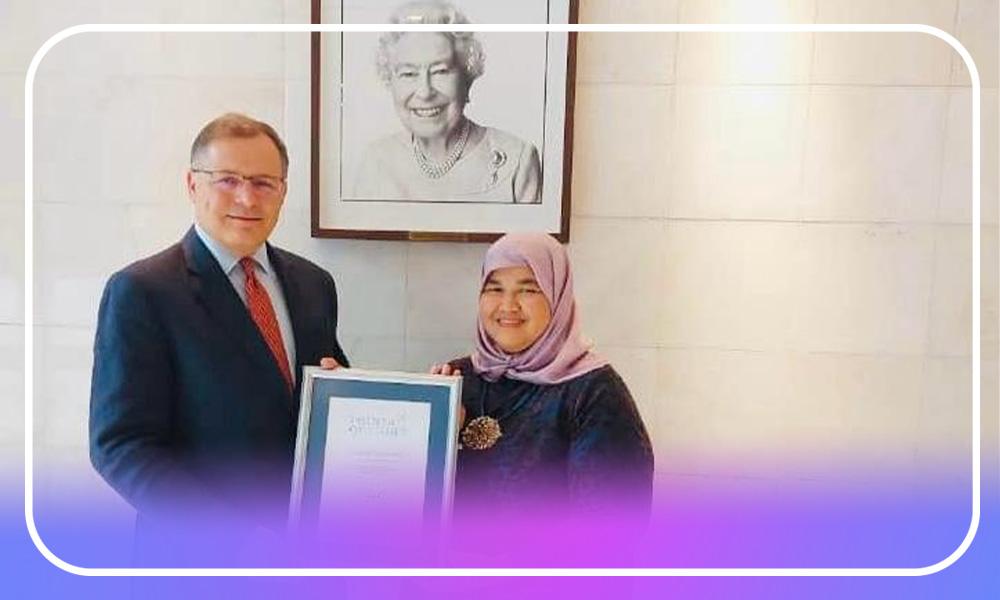
While the passing of Queen Elizabeth II in 2022 meant Anja missed the chance to walk the halls of Buckingham Palace, her exceptional service in addressing period poverty was officially immortalised.
She received the Commonwealth Points of Light award from the then British High Commissioner, Charles Hay, along with a certificate personally signed by the queen before her death.
From corporate comfort to purpose-driven path
Before becoming a social entrepreneur, Anja was firmly rooted in the corporate world, spending years meticulously climbing the ladder at Lloyd’s Register of Shipping, becoming a human resources specialist.
Her transition from corporate stability to social impact was not a snap decision, but a journey shaped by “nuggets” of wisdom from mentors that came at the right moments.
It began in university, when a lecturer challenged her to read Blue Ocean Strategy, planting the seed for a business that did not yet exist.
Years later, in early 2008, the late Cradle Fund CEO Nazrin Hassan opened an event she attended with a line that pushed her out of her comfort zone: “One of the scariest things in life is not knowing what we don’t know.”
By 2011, an organiser bluntly told her that she was not a “real entrepreneur” because she still held a full-time job.
“It was painful to hear, but it pushed me to take myself more seriously,” she said.
After six months of business coaching, she found the courage to resign in July 2012.
A chance encounter and brief conversation with Nobel Peace Prize laureate Professor Muhammad Yunus ultimately steered her toward social enterprise.

The father of microfinance from Bangladesh gave her the moral compass she needed to pivot - moving beyond a conventional for-profit mindset to focus on how a business could, and should, solve pressing social problems.
“I finally discovered the world of social enterprise through the philosophy of Prof Yunus.
“He told me that a business should not just be about making money, but about solving a problem for society.
“Meeting him changed everything for me because he helped me realise that by addressing a ‘taboo’ issue like menstrual hygiene, I wasn’t just selling a product, but I was creating social impact,” she said.
Turning a taboo into a mission
Anja’s path to innovation began as a silent observer in Yahoo chat rooms, where she followed American women discussing sustainable lifestyles and saw a mother share her homemade reusable pads.
Excited by what she saw as a “blue ocean” opportunity, she rushed out to buy fabric, only looking for a tailor after securing the materials.
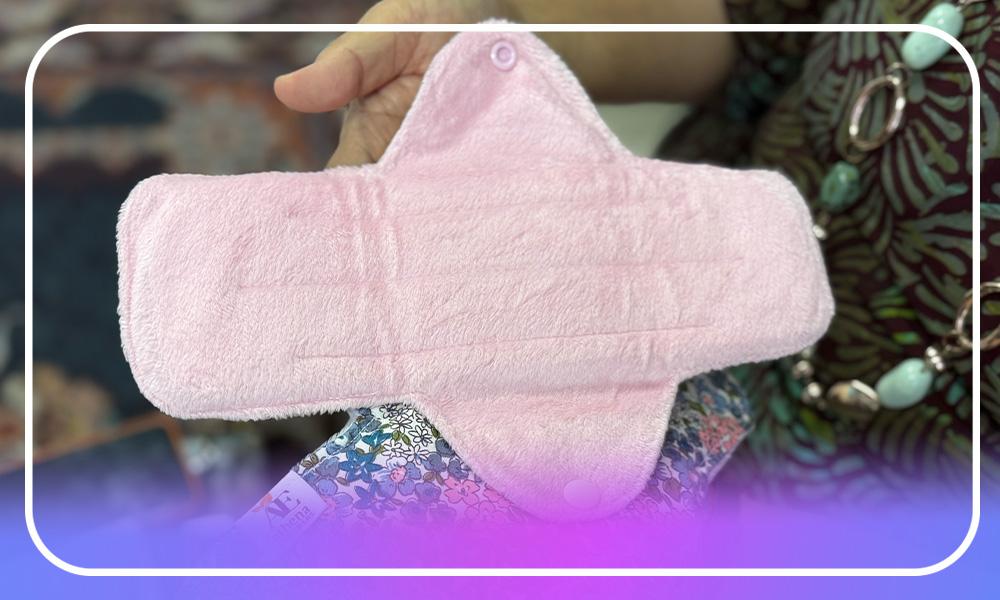
“I sourced high-quality bamboo fabric from the United States because its superior absorbency and natural antibacterial properties ensured the reusable pads were both functional and hygienic for long-term use,” she said.
She began promoting her products through word-of-mouth and a nascent Facebook page in 2009, proving that a global solution can begin with a simple, curious click.
Her once “sexy” business idea evolved into a deeper cause when she encountered the reality of period poverty in rural Sabah.
“The girls said they have RM5 a week. If they buy pads, they have to throw them away. If they buy bread or biscuits, they can eat for a week.
“Discovering that girls in Indigenous and rural communities were dropping out of school due to period poverty was a profound wake-up call for me,” Anja explained.
This realisation transformed her from a seller of colourful fabric pads into an advocate for girls’ education.
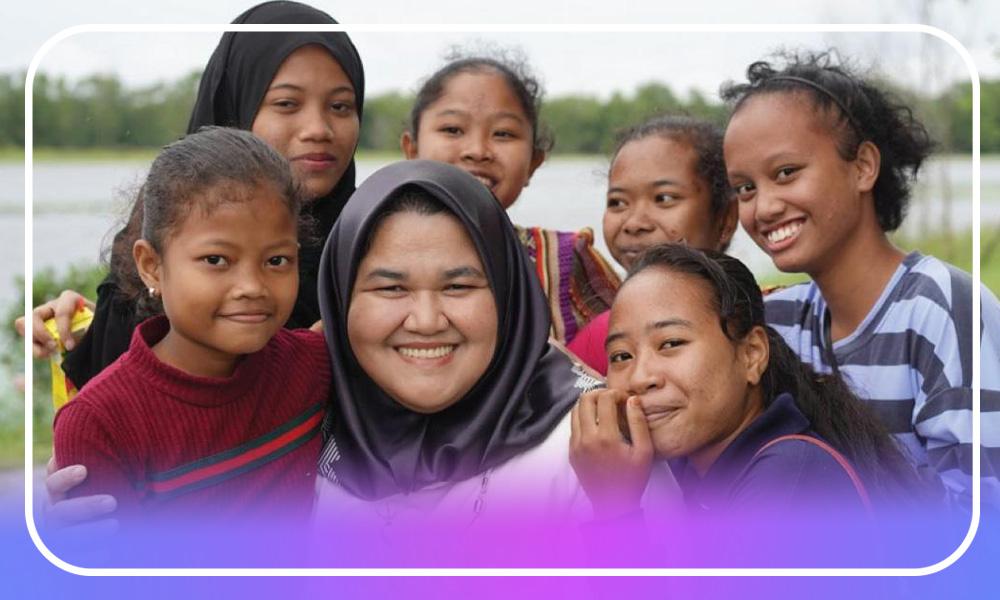
“Some also resorted to wrapping coconut husks with socks as makeshift pads,” she said, adding that she was grateful for the opportunity to help girls in rural Sabah and marginalised communities.
It made her realise that while she faced her own struggles, she still had a chance to succeed - an opportunity that many girls were denied.
This realisation drove her mission to fight period poverty. “Education changed my life, and I want to ensure every girl has the same chance to stay in school.”
Without children of her own, Anja has developed a deep, maternal connection to the thousands of girls she has helped.
“We are a childless couple, but from having no children, suddenly there are thousands of girls I am able to help,” she said, recalling a brief encounter with a university student in Sabah whom she had supported years earlier.
Reinvention through failure and resilience
Anja is a realist. She does not hide the fact that she was a “below top 10” student in a family of overachievers.
She also shared that she dropped out of a degree programme in Malaysia, and later left her studies in the UK, intimidated and afraid of “burning money” if she did not complete the course.
Yet the milestones in her life are marked by bold pivots and “accidental” successes.
Instead of returning empty-handed, she came back from Cardiff with profits earned from typing dissertations - after travelling across the UK, Ireland, and parts of Europe.
“Skill is very important, and I can type very fast. Reluctant to leave the UK after just three months, I offered my services, and many students were willing to pay.
“Even if you are educated, it was that skill that helped me survive in the UK,” said Anja, who spent a year in Wales.
In a remarkable full-circle moment, the former dropout was later invited to Oxford to speak to MBA students about her social enterprise.
Honesty in storytelling
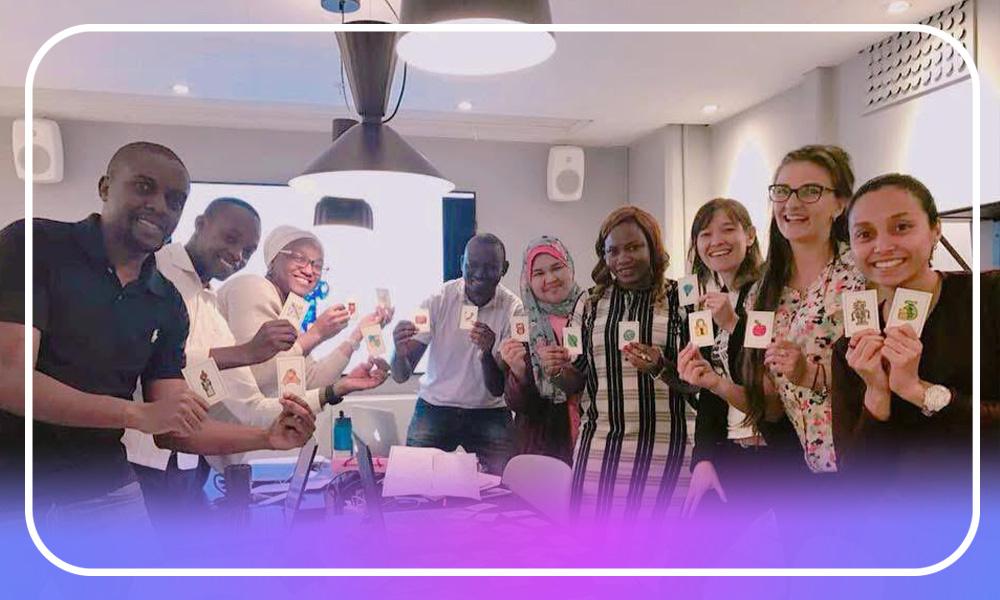
Anja’s strength lies in her candour and her ability to tell a story that has taken her from Malaysian villages to global platforms, mentoring social entrepreneurs from Sweden to Zanzibar.
She has spoken to government officials, university students, social workers, and women entrepreneurs around the world.
Two years ago, as a mature student, she earned her master’s degree and is planning to pursue a doctorate in sustainability in Sweden.
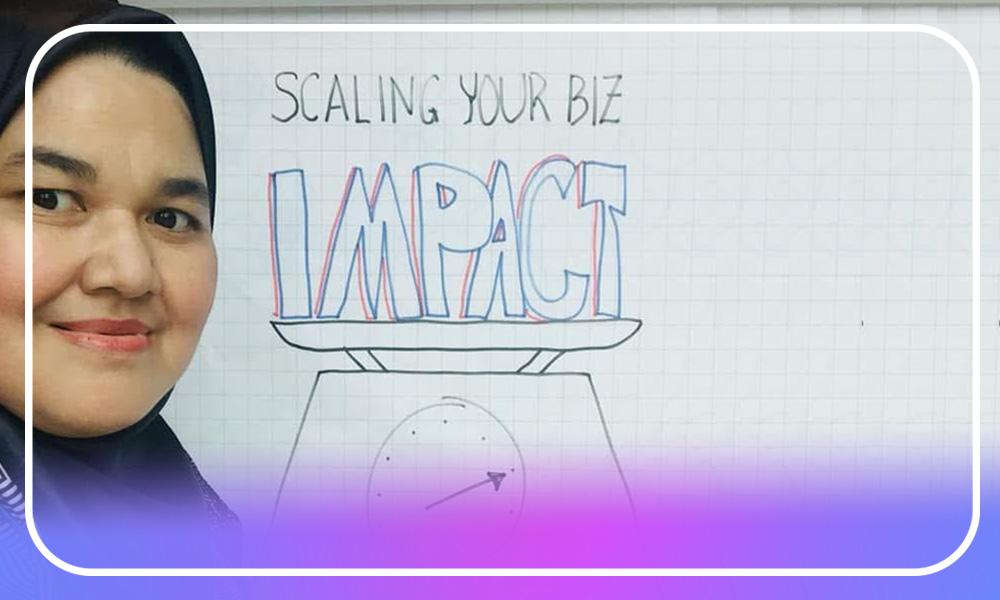
Anja attributes this achievement to her latest mentor, Dr Norsaidatul Mazelan, the founder of Thinkplus Consulting.
“I needed the weight of a certification,” said the adjunct professor at two universities - in Social Entrepreneurship at Unitar International and at DRB-Hicom University.
Next chapter
That spark to help rural girls evolved into a comprehensive product line under Athena Holdings, extending beyond period care to include solutions for urinary incontinence and adult diapers.
“The first batch of 37 pads cost RM500, and that grew into monthly orders of about 3,000 pads, with peak orders reaching up to 10,000,” she said.
As the market is now saturated with biodegradable pads and menstrual cups, Anja is now pivoting into a new, tech-based social start-up.
Sara Emas is an application that connects Malaysians to caregivers and is set to launch in May.
“It will be an all-encompassing app that connects users with various types of caregivers. They include nurses for elderly care and recuperation, and physiotherapists.
“It will be like the ‘Trivago’ for caregivers,” she explained, adding that more will be revealed during the launch.
Her journey serves as a blueprint for aspiring change-makers: “Social entrepreneurship does not always require a grand epiphany - sometimes, it simply requires the courage to act on an idea.” - Mkini

No comments:
Post a Comment
Note: Only a member of this blog may post a comment.