


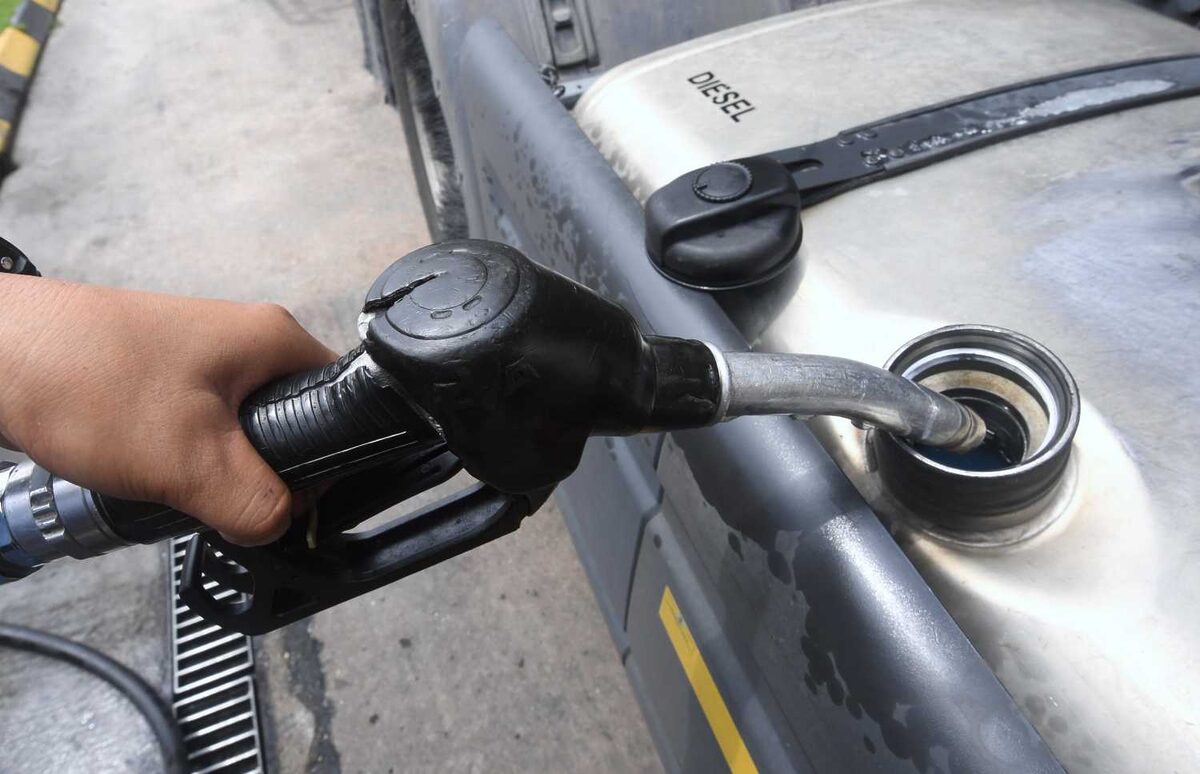
THE sharp surge in diesel prices, which has risen by a cumulative RM1.60 within just two weeks, risks pushing transportation costs into an uncontrollable state that could trigger a chain reaction across the economy.
MCA Economic & SMEs Affairs committee chairman Datuk Lawrence Low warned that the government’s failure to act swiftly could lead to an escalation into a broader inflationary crisis.
“Diesel is essential to key sectors including logistics, construction, agriculture, and the food supply chain. Once diesel prices go up, transportation costs inevitably jump and are passed along the supply chain, ultimately borne by consumers,” he stressed.
“Small and medium enterprises will be hardest hit. Many already operate with tight cash flow and thin margins, and will face the difficult choice of absorbing rising costs or passing them on to consumers. This may result in business closures or layoffs, further impacting employment.
“Simultaneously, wage growth continues to lag behind the rising cost of living, placing growing strain on households and potentially heightening social anxiety and economic instability.”
Due to the ongoing conflict in Iran, unsubsidised fuel prices saw a dramatic spike. The Finance Ministry (MOF) in a statement on Wednesday (March 18) said for the week of 19 to 25 March, diesel prices in Peninsular Malaysia rose by another 80 sen, from RM3.92 to RM4.72 per litre, while RON97 petrol climbed by 70 sen to RM4.55.
Low who is also the MCA vice president said this is not merely about higher transport costs but represents a broader escalation in the cost structure of the economy. Prices of food, daily necessities, and services will rise, with no sector spared.
“While the government has introduced measures such as encouraging working from home and promoting cost-saving practices, these remain superficial and insufficient to address the root causes of the problem,” he remarked.
“What is urgently needed is decisive policy intervention. The government should review the fuel pricing mechanism and introduce stabilisation measures such as a price ceiling or fund during periods of volatility.
“Diesel subsidies must be expanded and better targeted to support transport operators, agriculture, and SMEs, with stronger enforcement to prevent leakages.”
Low further called for a logistics cost relief package, including tax incentives or rebates, should be implemented, adding that emergency support for SMEs such as low-interest loans, repayment deferments, and tax relief, is also critical.
Authorities must strengthen price monitoring to prevent profiteering, while accelerating long-term energy reforms to reduce reliance on fuel.
“The situation brooks no delay. Only firm, targeted, and effective policies can stabilise prices, safeguard businesses, and protect livelihoods,” he reiterated. ‒ Focus Malaysia

No comments:
Post a Comment
Note: Only a member of this blog may post a comment.