


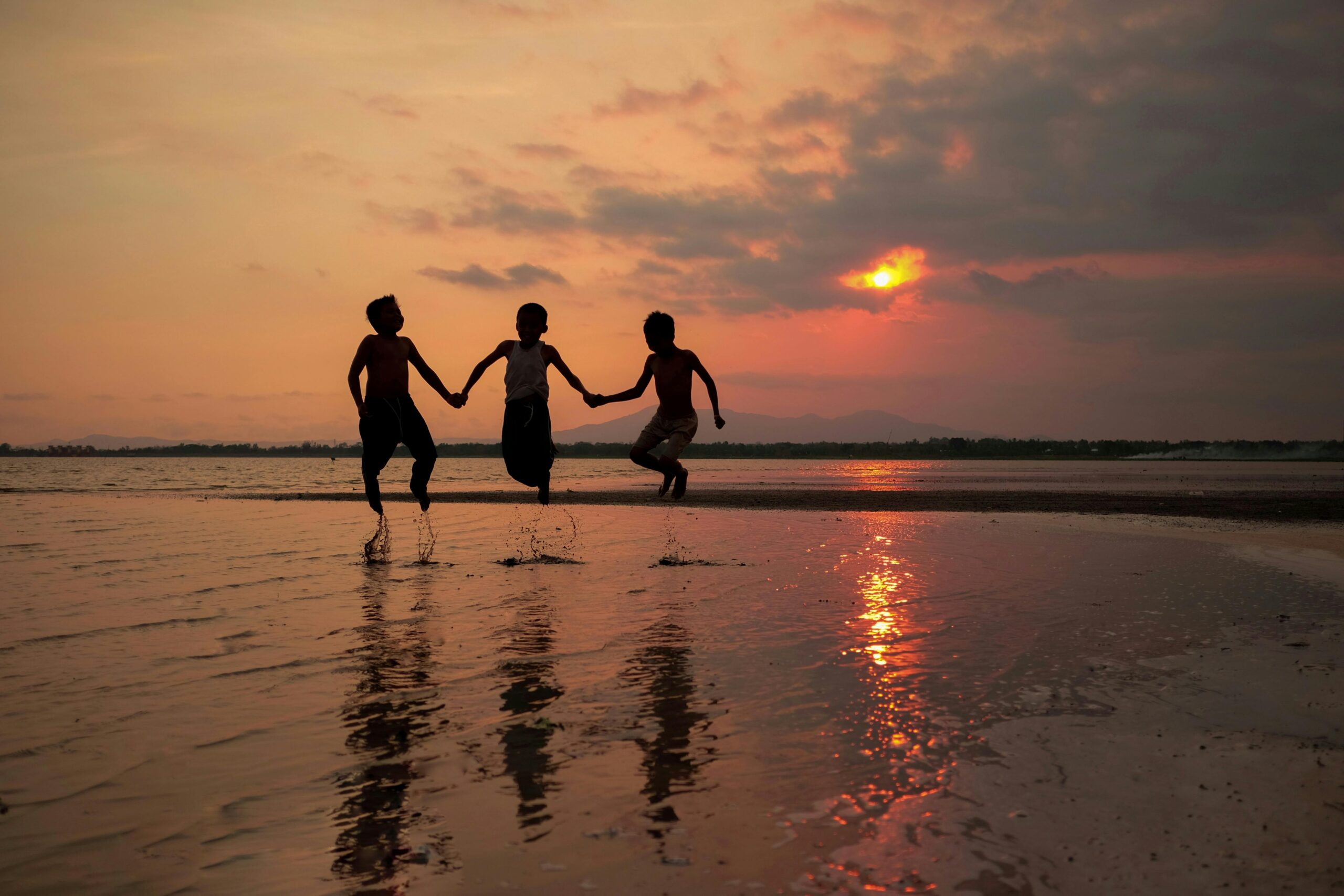
EVERY year, a report lands on our desks that tries to measure something we all instinctively understand: what it feels like to live in a good society.
The World Happiness Report’s 2026 findings are out, and once again, we see the usual suspects—Finland, Denmark, Iceland—sitting comfortably at the top.
But here’s the thing: it’s not really about their money. It’s about a feeling. When you read about these places, you don’t just see data on GDP. You get a sense of communities held together by trust, where people look out for one another and dignity isn’t a privilege but a given.
Then, at the very bottom of the list, we see countries like Afghanistan, Lebanon, and Sierra Leone. Their struggles are a powerful, painful reminder that widespread unhappiness doesn’t just happen.
It’s the slow, crushing result of things falling apart—broken systems, a loss of faith in everything, and a life that feels like a constant struggle just to survive.
For us here in Malaysia, this report isn’t just a scorecard from far away. It’s a mirror.
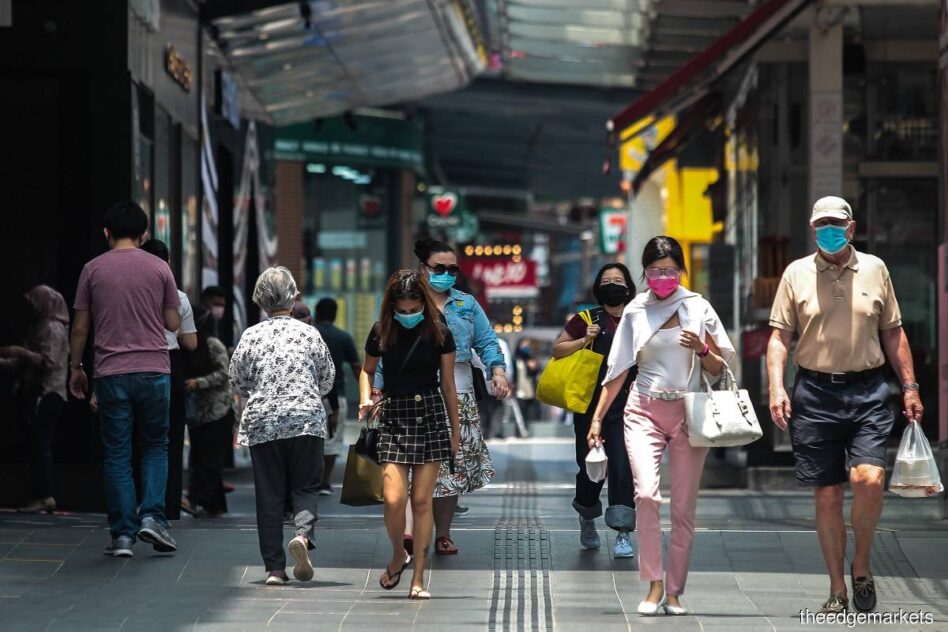
The big lesson is simple, but it hits deep: you can’t buy happiness. Not as a country. The report looks at things like whether you have someone to count on, whether you feel you can make your own choices, whether you believe in your leaders, and whether a little kindness still exists in the world.
It tells us that the real wealth of a nation isn’t in its bank account but in the strength of its relationships, the honesty of its leaders, and the simple respect it gives to every single person.
Think about those happiest nations. People there don’t just trust the government; they trust each other. There’s this quiet, unshakable belief that things will work out, that fairness will win, and that nobody gets left to fend for themselves.
That kind of trust isn’t built in a day. It’s woven into the fabric of society over generations, through leaders who are accountable and a shared sense of right and wrong.
Now, look at the other side. When you can’t trust the system, when corruption is just the way things work, and people feel abandoned, happiness shrivels up.
Life becomes about getting by, not about living well. The tragedy isn’t just economic—it’s a deep wound to the human spirit.
And where does that leave Malaysia? We’re in the middle. Not the happiest, but not the most broken. This “middle ground” isn’t a place to get comfortable. It’s a place to pause and ask ourselves some honest questions.
We have so much going for us. We are a tapestry of cultures, a nation rich with tradition, and for many of us, family is everything. Our “social support” is real—neighbours helping neighbours, families gathering for feasts, a sense of “gotong-royong” that still exists.
These are our superpowers. But these strengths are being stretched thin. The cost of living keeps climbing, our conversations get angrier and more divided, and too often, we’re left wondering about the integrity of those in charge.
So, the real question we need to sit with is this: Are we building a Malaysia where trust can actually grow?
Of course, we need a strong economy. But that can’t be the only thing we chase. What’s the point of getting richer if we just end up more anxious, more divided, and less happy?
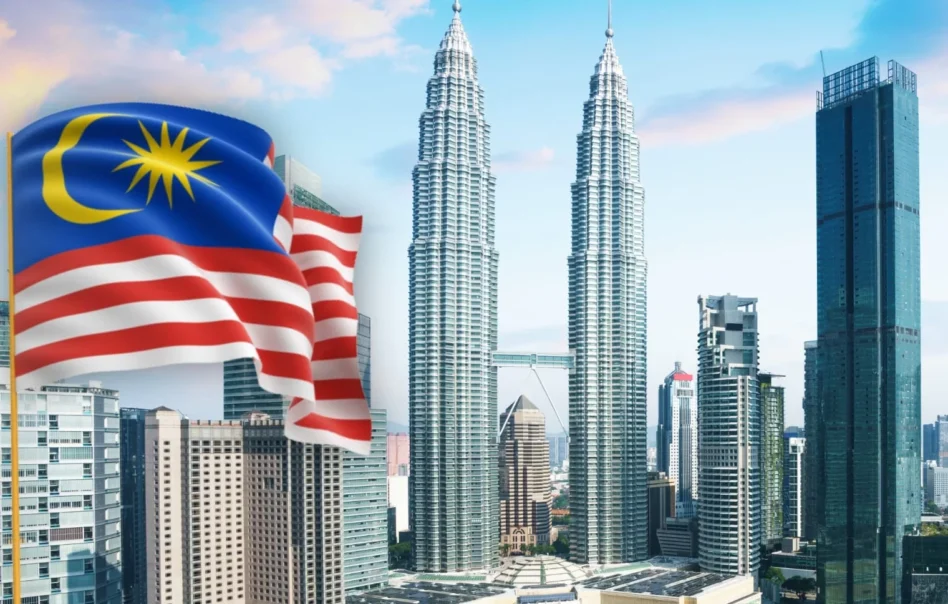
If our policies don’t feel fair, if our public talk tears each other down, and if our leaders don’t inspire confidence, then all the money in the world won’t fill that void.
That’s why we have to start seeing happiness as something we build, on purpose. It’s a result of the choices we make, together.
It means our government needs to see transparency and accountability not as boring administration work, but as a moral duty. Our institutions need to be not just efficient, but fair.
Maybe the most beautiful truth in the whole Happiness Report is this: The best places to live are the places where people feel seen, heard, and valued. That feeling of belonging can’t be forced by a law.
It has to be lived. It has to be breathed into our culture, reflected by our leaders, and shared in our everyday values.
We don’t need to become Finland. Our story, our challenges, our soul is Malaysian. But the principles are universal. Trust, fairness, compassion, doing the right thing—these aren’t Eastern or Western ideas. They’re just human.
If we want to see our nation’s name climb higher on that list, we have to start by climbing higher, together, as people. We have to rise in character. Nations don’t get happy by accident; they get happy by design.
KT Maran
Seremban, Negri Sembilan
The views expressed are solely of the author and do not necessarily reflect those of MKKtT.
- Focus Malaysia

No comments:
Post a Comment
Note: Only a member of this blog may post a comment.