


The suffering of the downtrodden workers from India brought to what was known as Malaya more than 100 years ago continues down the generations, manifesting itself in their lack of citizenship and now, the attack on their places of worship.
In the mid 1800s, the British - earlier through the East India Company and later directly by the colonial office themselves - made mutual agreements with the rulers of many states in the then Malay Archipelago, including Malaya and present Indonesia, for defence and trade matters.
The British took great interest in Malaya, as they were keen to plant rubber. Unable to get local workers, they brought in workers from India.
The British, wanting cheap labour, began engaging unscrupulous traders, almost like slave traders, to bring indentured workers.
A vast majority were from Tamil Nadu, some from the land of Telugus and a few from Orissa.
These workers were promised great things. When they came, they were cheated and dumped into jungles.
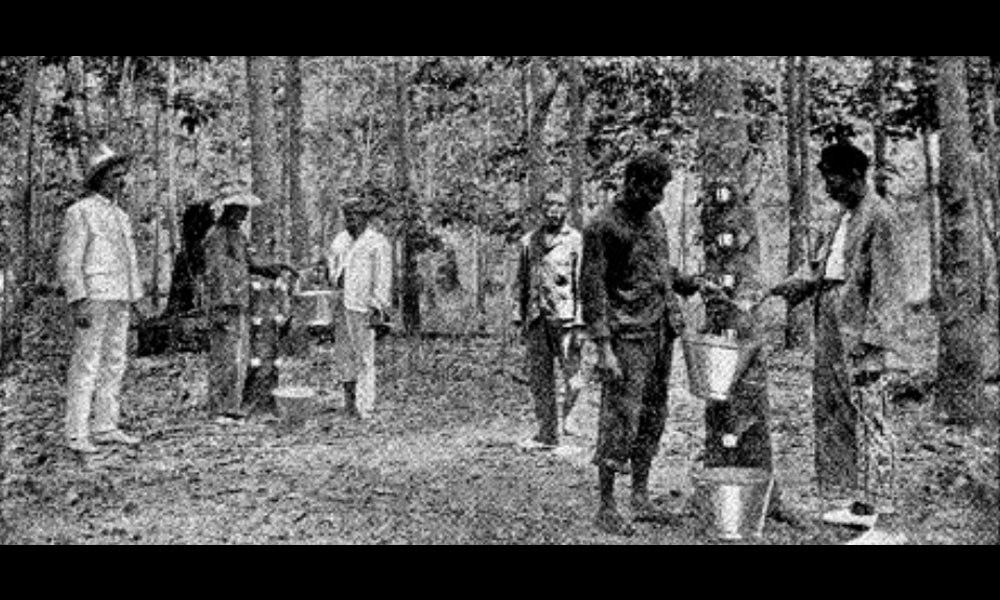
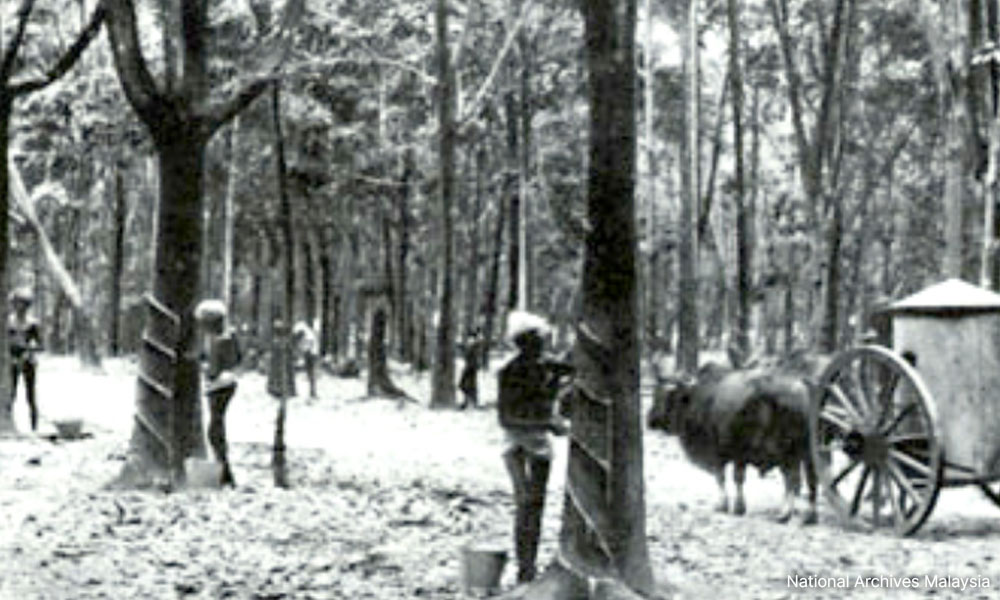
They were at the mercy of the colonial masters and were made to clear the jungle, plant rubber, build roads, dig wells for water, earth pits for toilets, cheap homes, and so on.
They had no identity documents and were completely illiterate. They did not know what registration was. There were no birth certificates, and they didn’t even know they had to register their babies with the authorities!
For a few generations, they were all controlled by the colonialists in the estates they helped create.
I still remember that in the 1960s and 1970s, as a Hindu youth organisation leader, I had to get prior permission to go into the estate. My identity card and car number had to be given to the estate security at the entrance.
During the general election, political parties, especially opposition parties, were restricted in their entry to the estates.
The colonial authorities slowly allowed the creation of Tamil schools and temples in these estate areas.
I have personally been to many of these beautiful estates and seen the way the community relied on the Tamil schools and Hindu temples as their primary communal space.
Schools were given a new life after independence with the Razak Report. However, many children still could not meaningfully get an education.
As they had no birth certificates and, therefore, no identity cards, they were not allowed to sit for any government school examinations.
During my days in Malaysia Hindu Sangam, many families of plantation workers came to us for help to get birth certificates and citizenship, having been born in Malaysia and knowing no other home.

We went to the Home Ministry, which said they needed proof of birth. We took letters from estate management or political leaders. They were not accepted. They wanted proof only from the penghulu (village chief).
But the penghulus could not help - they said they had no relationship with the estates, and indeed were barred from entering as they were considered outsiders. Therefore, they had no records whatsoever.
A few hundred thousand workers were left in limbo, with no means to obtain citizenship. Many have since passed away, but their descendants are still suffering.
In time, some parents were able to register new births. However, many of the elderly are still waiting. They have no heritage evidence, as some foreigners seem to have recently obtained so easily!

Many, having lived their whole lives in the estates, could only speak basic bazaar Malay, which was not sufficient to pass the required language tests.
This was the state of affairs of indentured workers in Malaysia and their descendants.
Places of worship in the estates
Now, we come to the places of worship of the families of indentured workers.
Outside Selangor and Kuala Lumpur, to a large extent, many have had their temples verified and were assisted by their local political and religious leaders in obtaining official recognition from the relevant authorities.
However, in the early 1970s, the Selangor government agreed to concede Kuala Lumpur to the federal government for a substantial multi-billion-ringgit grant with the then sultan’s agreement.
Parts of the Batu Tiga area of Selangor were taken to create a new capital for Selangor called Shah Alam.
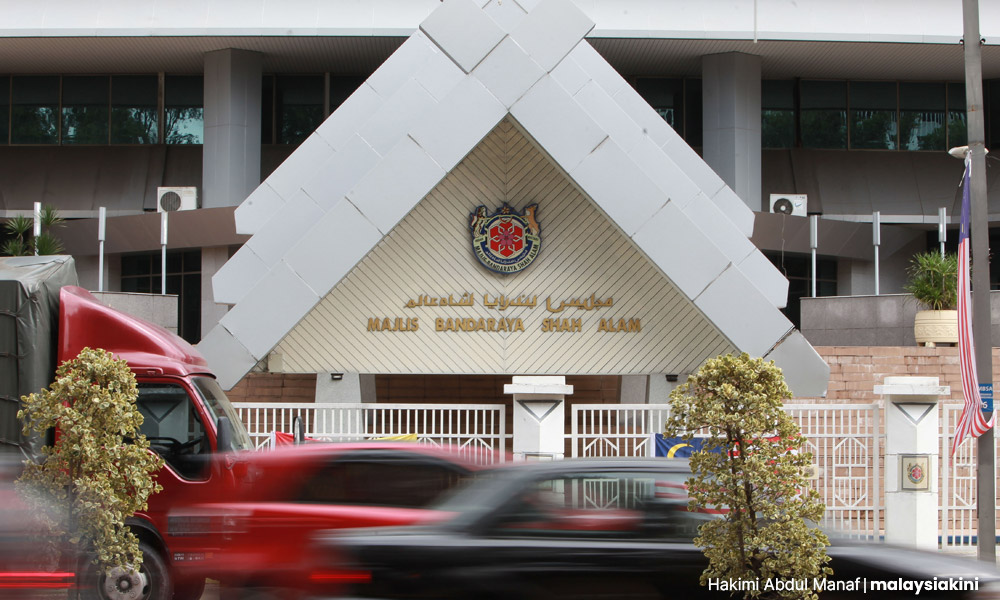
New non-Muslim places of worship were not allowed in Shah Alam, even though much of the land was formerly estate land or was surrounded by estate lands, with many small Hindu temples already built with the permission of the estate owners.
Then, we saw the federal government take over Putrajaya, create Cyberjaya, develop the Kuala Lumpur International Airport and construct many more new developments. Many of these new developments were on former estate lands.
Hundreds of thousands of these Indian families, the descendants of the indentured estate workers brought here by the British, lost their livelihood, their homes, their schools and their temples all in one go.
This was a great cultural shock.
The people were forced to go through life-altering shifts from their homes in the estate to the main towns and cities, yet again, to fulfil the dream of another set of political masters.
All this was done without proper planning to provide the necessary replacement housing and facilities, which these families had lost in the process.
But despite leaving the area, the community would return to the temples they had built with the permission of the previous colonial masters.
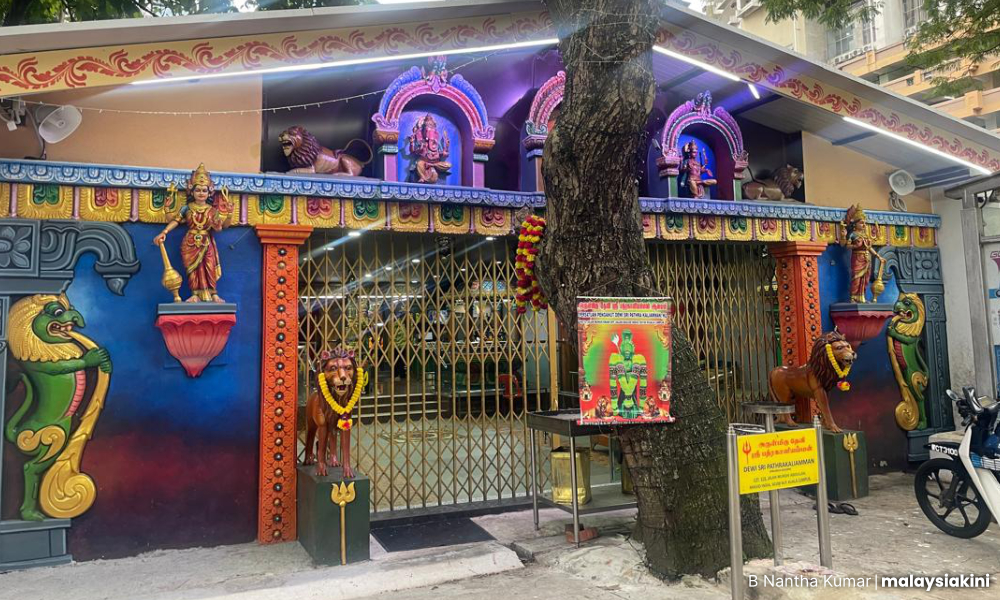
However, many did not know how to formally register the land with the temple. The local authorities in Selangor and Kuala Lumpur were also very slow to register land for these Hindu temples.
Instead of offering to alienate the parts of the lands in question to the temples, which in many cases had been there for more than 100 years, they were instead quietly transferred or sold to others.
Many of these temple lands were transferred without the temple or their followers’ knowledge. The temples were the victims of this process, and it is an act of gross cruelty to now label them as “haram” or illegal.
Show more compassion
With all due respect to our leaders, have they ever taken the trouble to meet with the relevant Hindu leaders or the umbrella body for non-Muslim religions in Malaysia - the Malaysian Consultative Council of Buddhism, Christianity, Hinduism, Sikhism and Taoism (MCCBCHST) - before making announcements or accusations about so-called “haram” temples?
Have the various NGOs protesting against so-called “haram” temples ever considered the history of the temples, the plight of the indentured workers and their descendants, and the civil and human rights of the minority communities involved?
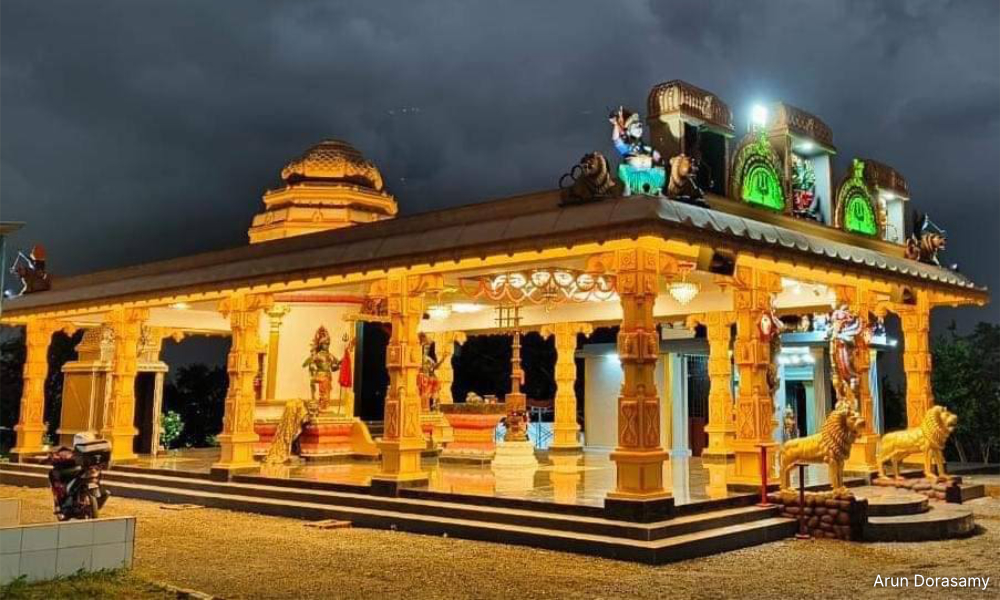
My prayers are that our rulers and political leaders will study the history of these temples, and recognise what a grave injustice it is to describe these places of worship as “haram”.
Our political leaders must meet with the community leaders of the affected temples to understand their suffering.
I call on all parties not to stir up racial and religious sentiments, but learn our history and show more compassion in dealing with the minority communities in this country. - Mkini
A VAITHILINGAM is former Malaysia Hindu Sangam president.
The views expressed here are those of the author/contributor and do not necessarily represent the views of MMKtT.

No comments:
Post a Comment
Note: Only a member of this blog may post a comment.