

Letter to Editor
MY wife and I recently decided to travel to Kuala Lumpur using the ETS Gold service to attend a seminar.
We took the train from Ipoh to KL Sentral on Friday, April 17, departing at 3.55pm and scheduled to arrive at 5.55pm.
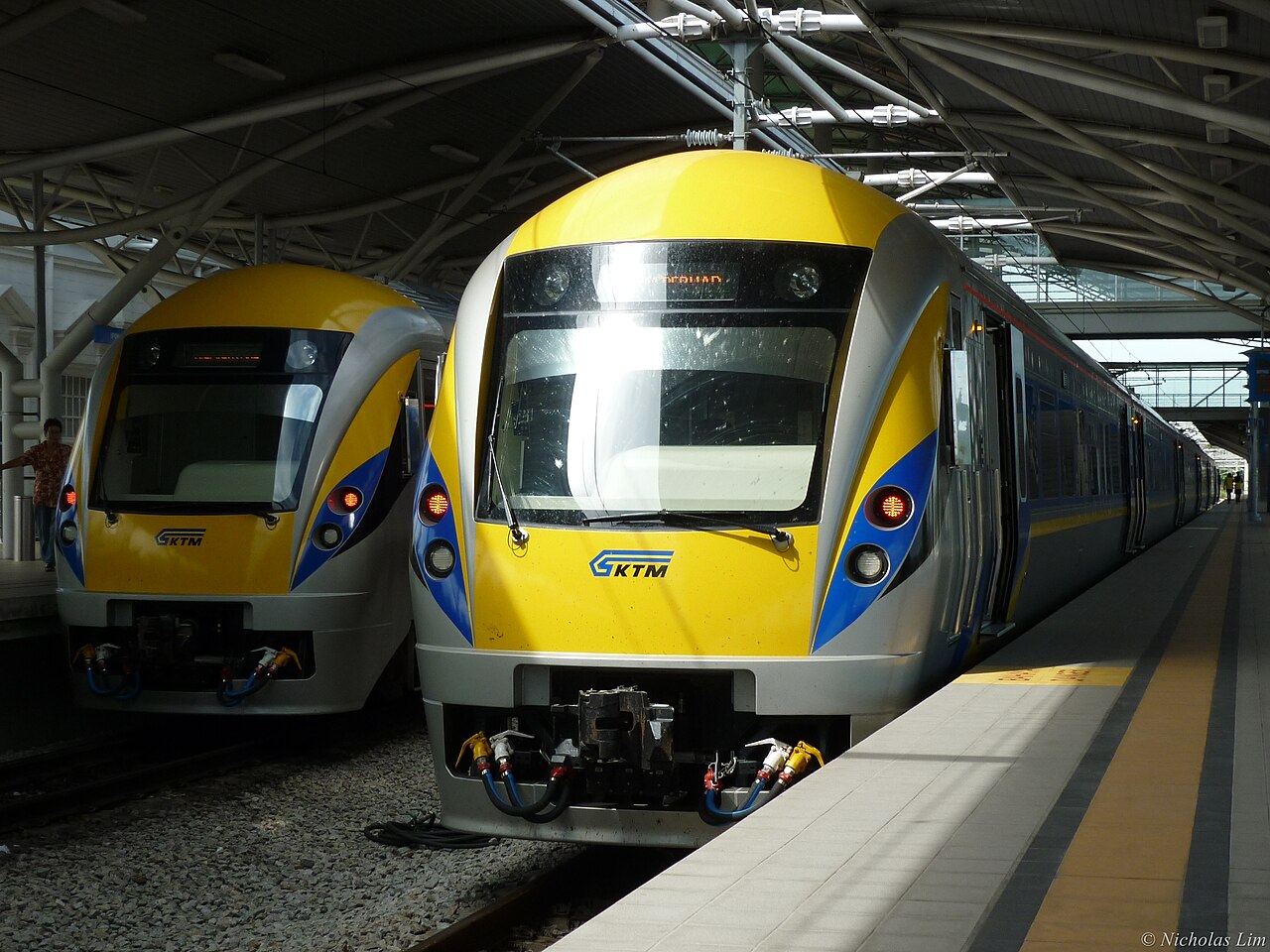
Operated by Keretapi Tanah Melayu Berhad (KTMB), ETS is Malaysia’s fastest metre-gauge intercity train, running on the electrified double-track West Coast Line between Gemas and Padang Besar.
However, the train we were on, which is supposed to be a high-speed service, stopped several times during the journey. At one point, both the lights and air conditioning went off.
Given the number of passengers on board, the least that could have been done was to provide timely updates. Unfortunately, announcements were not made promptly.
Only after several stops was it announced that the train was experiencing technical problems while heading towards Sungai Buloh and would have to reverse back to Rawang station.
Even then, the information provided was incomplete. It was only shortly before arriving at Rawang that passengers were told to disembark and proceed to Platform 2 to board another train to KL Sentral.
Passengers—including students, tourists and the elderly—were left waiting inside the train without air conditioning or lighting for about five to ten minutes before the doors were opened.
There was visible anxiety among passengers due to the delay in opening the doors, especially as people were already preparing to disembark. When the doors finally opened, there was congestion, and the crowd moved hurriedly towards Platform 2 without proper supervision.
The lifts leading to Platform 2 were overcrowded, with too many people trying to use them at the same time.
Compounding the situation was the lack of information on when the replacement train would arrive. This caused passengers to rush unnecessarily, which could have led to an incident.
After approximately 40 minutes, an alternative commuter train finally arrived. We only reached KL Sentral at around 8.45pm.
This was not my first negative experience with ETS services. I previously encountered a similar situation while travelling from KL Sentral to Ipoh, and others have shared comparable experiences.
This raises several questions. Why was the train not thoroughly checked for technical faults before departure? Is preventive maintenance carried out regularly to ensure passengers are not stranded?
Effective management should ensure that such technical failures are either prevented or, at the very least, handled professionally when they occur.
Passengers must be promptly informed of any issues and given clear guidance during delays. This would help ensure safety and reduce anxiety.
While a solution was eventually provided, the delay caused significant inconvenience and poor value for money, as passengers did not arrive at their destination on time.
It is hoped that KTMB will take steps to improve its services, strengthen preventive maintenance, and provide a level of service that reflects the fares charged and the expectations of the public.
Ronald Benjamin is a human resources practitioner based in Ipoh. He is currently secretary of the Association for Community and Dialogue.
The views expressed are solely of the author and do not necessarily reflect those of MMKtT.
- Focus Malaysia

No comments:
Post a Comment
Note: Only a member of this blog may post a comment.