


KINIGUIDE | A major royal dispute is unfolding in Negeri Sembilan after the state’s territorial chieftains invoked their authority to sack Tuanku Muhriz Tuanku Munawir as ruler.
However, while the chieftains, or undang, do have such power, the situation is complicated as one of the four - known as the Undang yang Empat - was himself sacked days earlier.
The outcome is likely to be determined by how a royal council interprets the state constitution.
Here is a breakdown of what happened.
Who are the Undang Yang Empat?
The Undang Yang Empat are the Minangkabau ruling chiefs of four luak (districts) in Negeri Sembilan - Sungai Ujong, Jelebu, Johol, and Rembau.
The four, by powers vested in them via the Negeri Sembilan Constitution, are responsible for electing the state’s ruler - the Yang di-Pertuan Besar or Yamtuan Besar - from among the descendants of Raja Radin Raja Lenggang.
The state constitution also gives them the authority to compel the ruler to abdicate the throne.
The four, together with the ruler and other nobles, are members of the Negeri Sembilan Council of the Yang di-Pertuan Besar and the Ruling Chiefs (Dewan Keadilan dan Undang), which acts as an advisory body on customary affairs and the appointment and removal of the Yang di-Pertuan Besar.
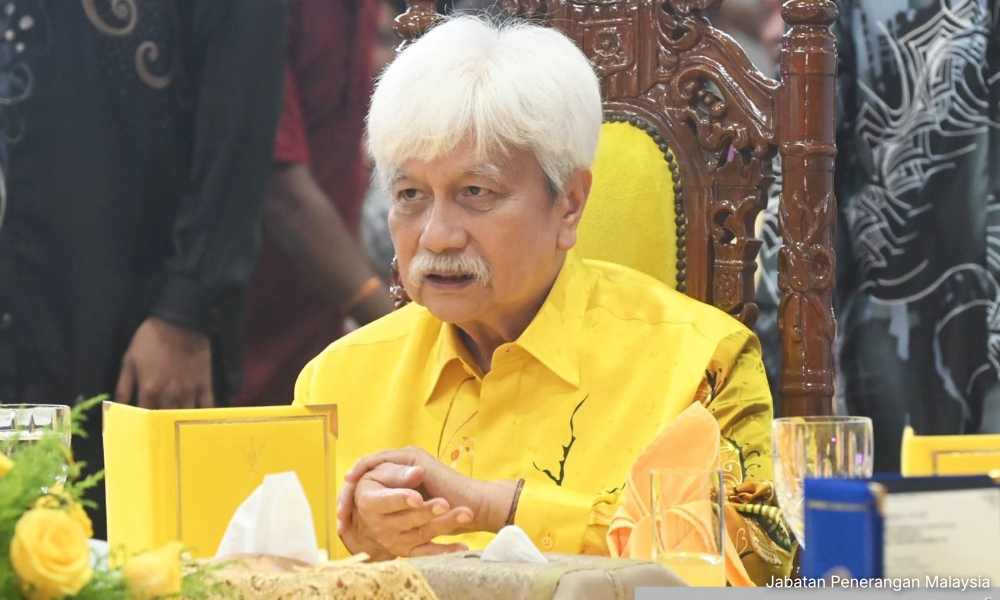
Up to April 16, the four undang were Mubarak Thahak (Sungai Ujong), Maarof Mat Rashad (Jelebu), Abdullah (Johol), and Abdul Rahim Yasin (Rembau).
How did this rumble start?
Piecing together media reports and statements, the trouble appears to have begun on May 13, 2025, when nobles in Sungai Ujong moved to remove Mubarak as the district’s undang.
There were reportedly 33 reasons for his removal, including acts which allegedly breached Islamic law and customs, with reports lodged with the police and the Negeri Sembilan Islamic Council. As of writing, the reasons have not been disclosed to the public.
The Sungai Ujong undang’s supporters claimed in a statement on Saturday that the complaints had been investigated by authorities with no wrongdoing found, and that Mubarak was the victim of negative perception.
Regardless, on April 17 this year, a special meeting of the Council of the Yang di-Pertuan Besar and the Ruling Chiefs was held, where the nobles’ charges against Mubarak were presented to Tuanku Muhriz.
Tuanku Muhriz and all other members of the council were then reported to have accepted Mubarak’s removal as Sungai Ujong undang, effective May 13 last year.
It is unclear if any of the four undang were present at the meeting.
Article 16 (3) of the state constitution states that any decision by the council regarding the election, succession, or removal of any of the undang is final and cannot be challenged in court.
How did Mubarak respond?
On the evening of April 19, Mubarak and the three other undang met and issued two proclamations.
The first is that they had unanimously agreed to remove Tuanku Muhriz as Yang di-Pertuan Besar.
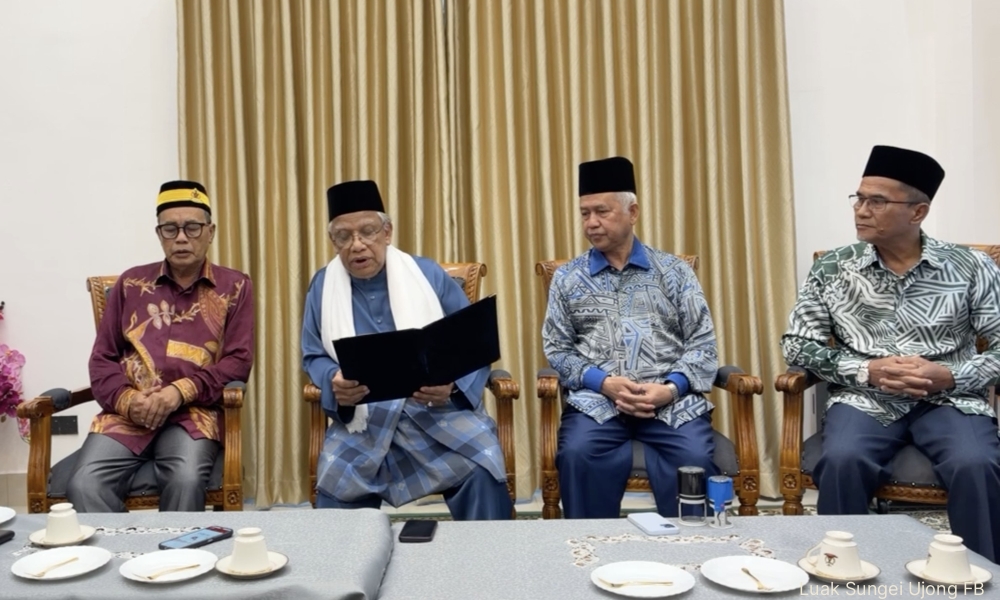
This is after they allegedly launched their own investigation into Tuanku Muhriz on March 5 for alleged transgressions in his royal duties. They deemed the unspecified transgressions to have been committed deliberately, thus besmirching the royal institution.
The second proclamation is for Tunku Nadzaruddin Tuanku Ja’afar to be installed as the next Yang di-Pertuan Besar with immediate effect.
Tunku Nadzaruddin’s late father, Tuanku Ja’afar Tuanku Abdul Rahman, was Tuanku Muhriz’s immediate predecessor.
The reading of the proclamations was livestreamed.
Can the undang make such a move?
Article 10(1) of the Negeri Sembilan Constitution states that the Undang yang Empat can remove the Yang di-Pertuan Besar if “His Highness has done any overt act detrimental to the sanctity, honour and dignity of a Yang di-Pertuan Besar”, among other reasons.
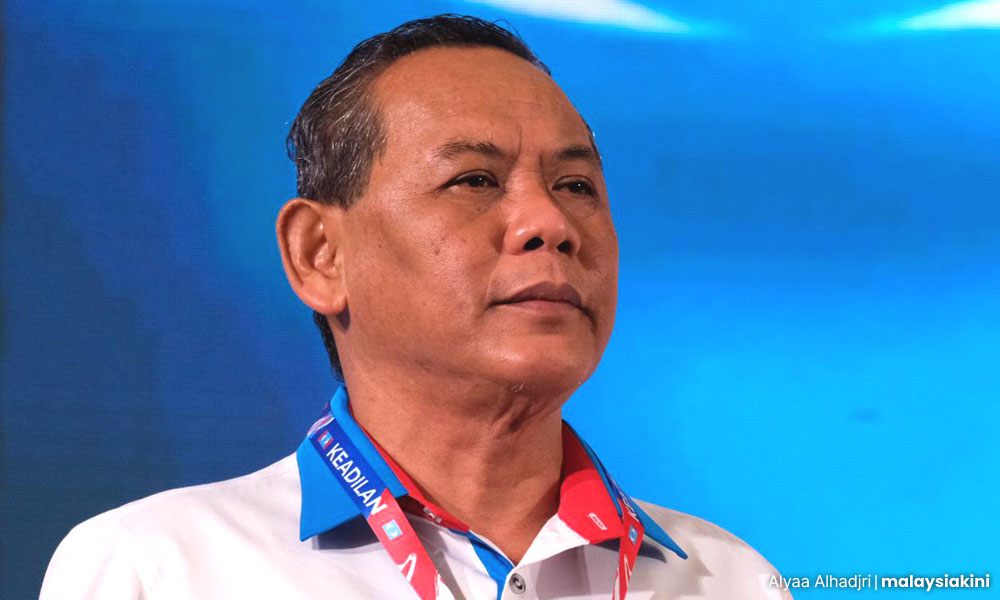
In the early hours of today, Negeri Sembilan Menteri Besar Aminuddin Harun reportedly said that the proclamations read out by Mubarak are invalid as the latter had been removed from office.
However, he did not appear to address the fact that the other three undang also agreed to remove the current Yang di-Pertuan Besar.
Article 29 of the state constitution states that the undangs’ decisions are deemed to have “been duly exercised or performed if such powers were exercised or such duties were performed by at least three undangs or by as many of them as may be living at the time of the exercise of such powers or the performance of such duties.”
This applies to the undang’s duties to appoint and remove the Yang di-Pertuan Besar.
Another possible complication, Malaysiakini was made to understand, is Rahim’s status as the Rembau undang, which allegedly may not have yet been gazetted despite him being installed two years ago.
Malaysiakini is unable to independently verify this claim as of writing.
What happens next?
The matter is likely to be referred by either Tuanku Muhriz or Aminuddin to the Council of the Yang di-Pertuan Besar and the Ruling Chiefs.
While Article 29 appears to give finality to the undangs’ decision on April 19, a key issue is likely to be how Article 16 (3) is interpreted.
Article 16 (3) states: “The advice of the Dewan on questions relating to Malay custom in any part of the state including advice on any question relation to the election or succession to or removal from or vacation of office of any of the ruling chiefs referred to in Article XIV (14) shall be final and shall not be challenged or called in question in any court on any ground.”
At a glance, this does not appear to cover the election or removal of the Yang di-Pertuan Besar.
However, Tuanku Muhriz’s proponents may argue that the appointment and removal of the ruler falls under the council’s Malay custom ambit.

No comments:
Post a Comment
Note: Only a member of this blog may post a comment.