


820,000 new cars were added to Malaysian roads last year - no wonder traffic congestion keeps getting worse. Will people have to wake up at 4am to beat the jams?
How many new tolled roads can we build? Will we have ever more highways flying past our homes, belching noise, dust, and noxious fumes?
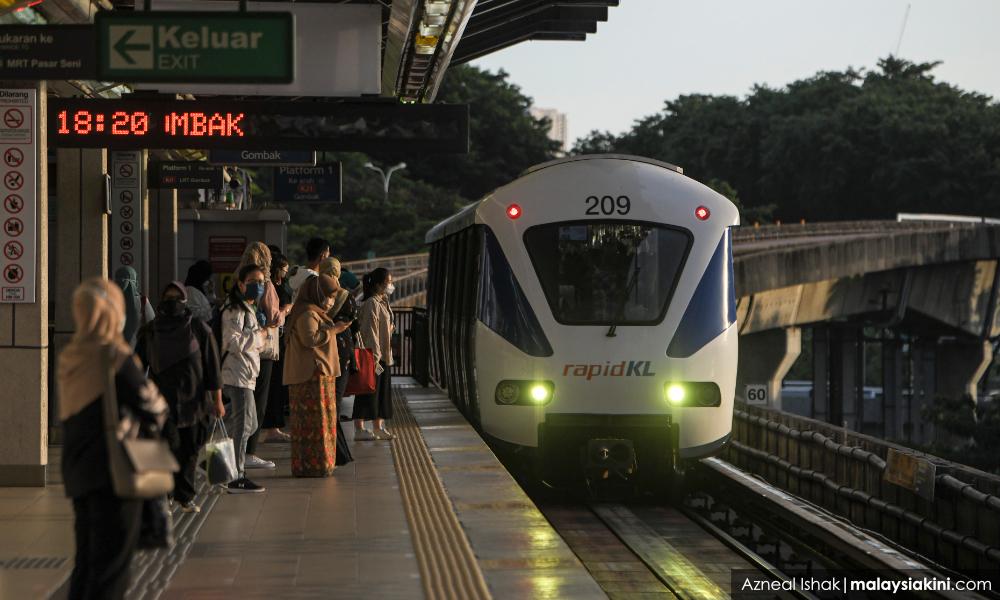
Our fixation with cars doesn’t look sustainable. Yet sadly, only 25 percent of commuters in the Klang Valley use public transport, despite the many billions spent on three LRT and two MRT lines.
This is far below the 67 percent rate in Singapore and 72 percent in Tokyo.
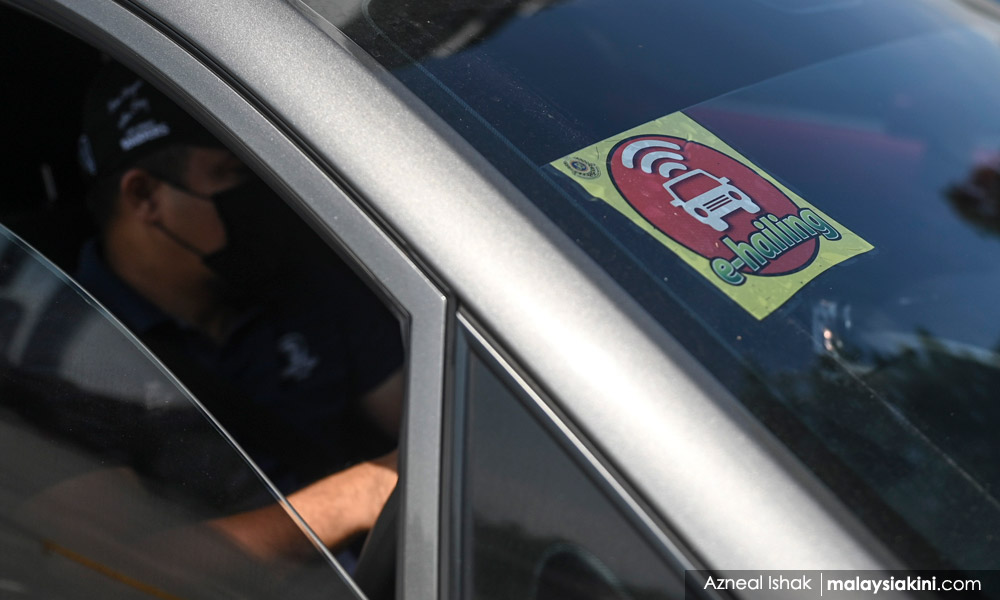
It’s often repeated that the main problem is the “first- and last-mile” connection - getting from our homes to the stations, and then to our final destinations. Not everyone is willing to pay for ever more expensive e-hailing car rides with peak hour surcharges.
Eight hundred European studies reveal there is no single “silver bullet” solution to traffic congestion; instead, what’s needed is a mix of carrots and sticks, or incentives and penalties.
Here are some suggestions.
Work from home
When Putrajaya announced a limited work-from-home (WFH) policy for civil servants, many made snide remarks about their work ethic.
Sadly, on April 15, the first day of implementation, congestion persisted on practically all highways entering Kuala Lumpur. Clearly, this needs much wider adoption to succeed.
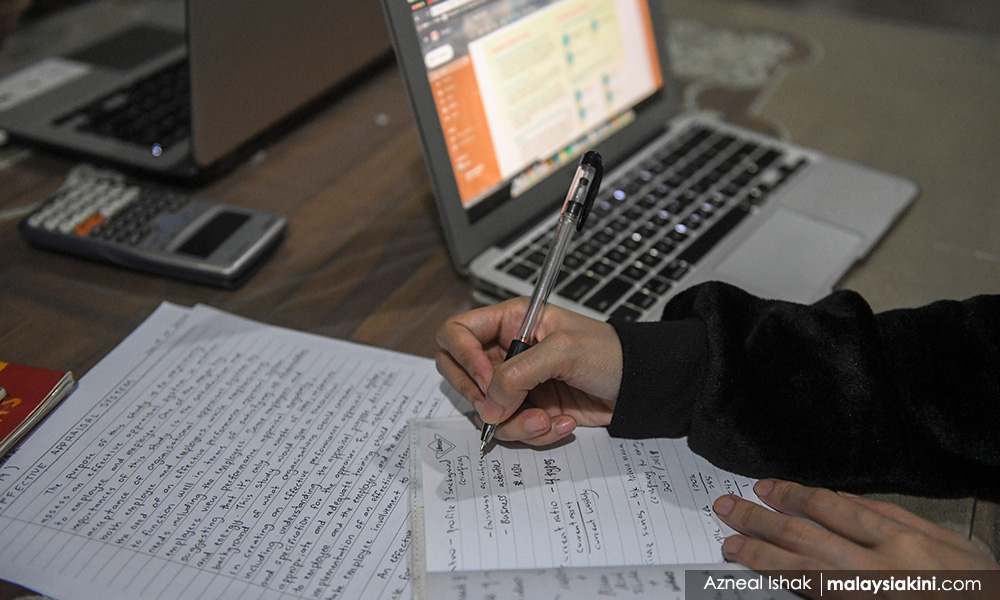
But our old management mindsets prefer face-to-face monitoring. In April, the Malaysian Employers Federation added that WFH is impractical for sectors such as manufacturing, logistics, retail, construction and hospitality. SMEs also lack the technical capacity to implement it.
Perhaps Putrajaya can reduce fuel subsidies and then offer tax incentives to encourage WFH?
Stadium, mall bus hubs
Many MRT and LRT stations lack parking. So, how about setting up Park N Ride bus hubs at stadiums? Car parks at stadiums are mostly empty anyway, except during events.
Several stadiums around Selangor can be deployed for this - Bukit Jalil, Shah Alam, UiTM, MBPJ, Ampang Jaya, Kajang, Selayang, and several smaller ones in Klang.
Apart from stadiums, shopping centres can also become bus hubs. Struggling malls can offer really cheap parking rates in exchange for shopping purchases.
Elevated walkways
We have spent billions building train lines, but neglected to spend mere millions to improve access to the stations. Is it because cronies don’t gain enough from smaller projects? Or are they not “glamorous” enough?
Developers often advertise how close their projects are to train stations. Sure, they may be physically near but “mentally far”, because people fearing snatch thieves don’t feel secure walking there.
One idea is to build elevated paths directly to train stations, preferably with CCTVs and security guards. This is best seen in Bandar Sunway PJ, where skywalks connect shopping malls, universities, and condos to BRT stations.
In contrast, pedestrians from the dense Damansara Uptown PJ area have to navigate a hodge-podge of different roads, including the LDP highway, to reach the new Kayu Ara LRT3 station 1km away. If only there were a safe skywalk to get there!
Smart access
Yet some are so attached to their cars that they have erected barriers to the MRT. For example, some residents of Taman Tun Dr Ismail, Kuala Lumpur, were vocal in opposing a proposed pedestrian bridge to the nearby Bandar Utama MRT station.
Yes, they rightly feared people would clog up parking in their housing area to ride the train. One solution is to limit access only to residents with smartcards, ie, those who have paid their security fees.
Bus Rapid Transit
BRT is a far cheaper alternative to MRT or LRT. It basically involves using buses on special lanes or overhead roads, rather than trains, which are expensive and complicated to run and maintain.
Curitiba in Brazil became famous worldwide for being the first city to implement BRT. This video explains how it works like an MRT system.
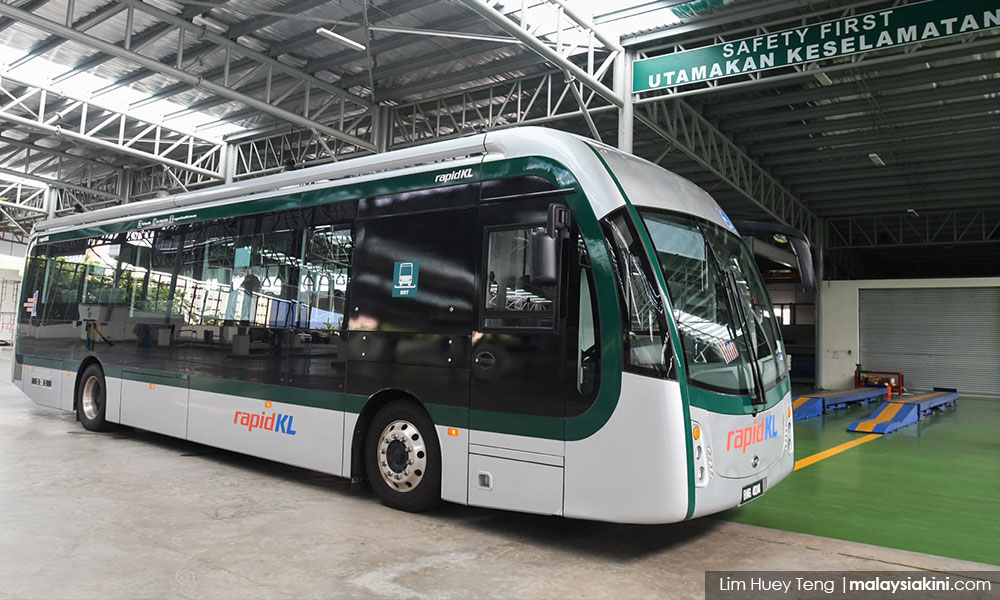
Nearly 200 cities have followed Curitiba’s example, including Guangzhou (China), Rio de Janeiro (Brazil), Istanbul, Mexico City, Bogota (Colombia), Ahmedabad (India), Indonesia’s TransJakarta and yes, Bandar Sunway, PJ.
Bike lanes, e-tuk-tuks
If car parks at, or taxis to, train stations are too expensive, there are cheaper options. For example, electric trishaws or tuk-tuks.
I’ve written that safety will be enforced by e-hailing apps that will punish or ban dangerous drivers. We won’t need to depend on officers drinking kopi-O.
I’ve also suggested using just 10 percent of the massive RM6 billion monthly fuel subsidies to build bike lanes around MRT or LRT stations. People will feel safer using bicycles or e-scooters to reach the stations, and parking is a breeze, too.
The “little red dot” called Singapore has over 730km of cycling paths connecting homes to MRT and bus stations, shopping malls, schools, and food courts. This also boosts healthy exercise.
Crunchy carrots
The Dutch city of Utrecht and private companies provide free public transport passes to employees, plus shuttle buses to connect transit stops with workplaces. This successfully reduced cars entering the city centre by a whopping 37 percent.
The northern Italian city of Bologna is famous for spaghetti Bolognese. But it also has a phone app where people are rewarded for walking and cycling. Points collected can then be redeemed at shops.
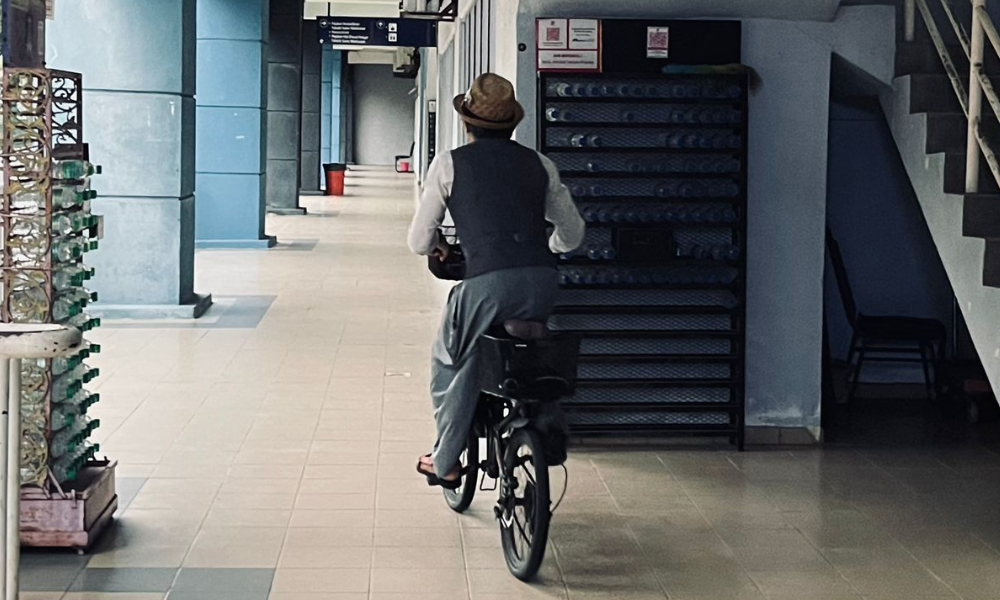
In Malaysia, we have the AIA Vitality app that rewards policyholders with reductions in premiums if they exercise more. Something similar can be done to encourage public transport, walking and cycling.
Sticks needed too
But carrots are often not enough; we need sticks, or disincentives, too. Firstly, a further reduction in Budi Madani fuel subsidies, which threatens to bust the national budget, will discourage car commuting.
Secondly, we need to think of imposing surcharges on single-driver cars entering the city at peak hours, as proposed by Universiti Putra Malaysia road safety expert Law Teik Hwa.
We need look no further than Singapore, which is well known for its ERP (Electronic Road Pricing) system. Such congestion charges have also successfully reduced the number of cars entering London, Stockholm, Milan, and Rome, which were once notorious for bad traffic.
Pushing carpools
If surcharges don’t work, we need sterner sticks. Cut 20 percent of weekday city traffic by car number plates - those ending in 1 and 2 are barred on Monday, 3 and 4 on Tuesdays, and so on.
I’m willing to bet that people will soon set up WhatsApp or Facebook groups like “Klang to KL Sentral Share Ride” or “Kongsi Kereta Kulai ke JB” to arrange car pooling. Traffic jams will be reduced by 20 percent for the remaining 80 percent of drivers.
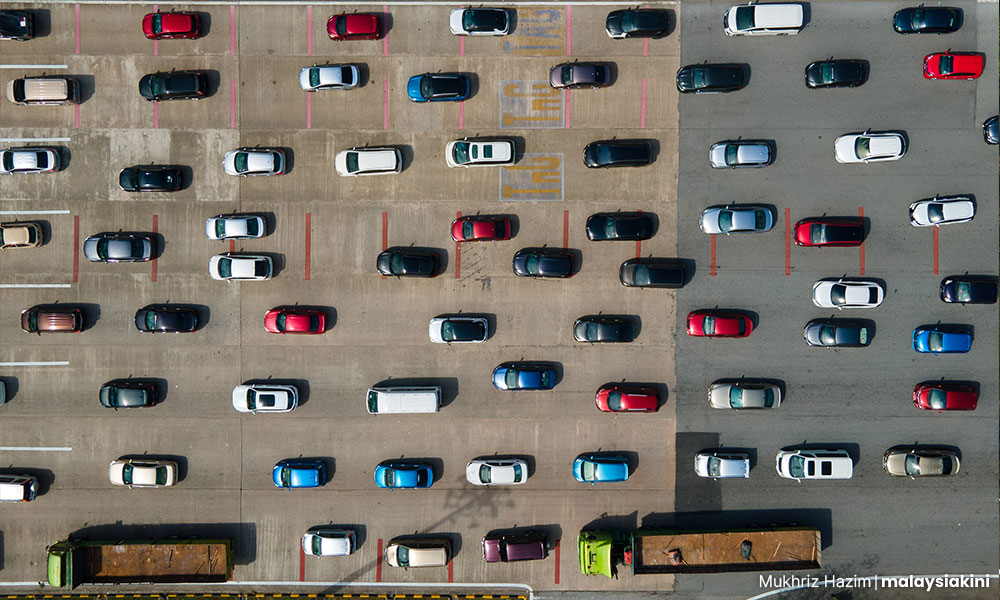
They can meet up anywhere in Klang or Kulai town, though it’s best to screen and take photos of potential ride partners first. A carpooling app can make things easier.
Mental change
Finally, any measures will need a strong public relations (PR) campaign to convince Malaysians who love to criticise and complain first before thinking deeper.
Car ownership is a status symbol in our country, while public transport, cycling, or walking is viewed as something only “smelly” foreign workers do. This combines both race and class prejudice.
To overcome that, a PR campaign should showcase stories of Malaysians who have saved time, money, or mental stress to reach their destinations.
Instead of spending hours stuck in ulcer-inducing traffic jams, they can relax and play with their phones while taking trains and buses.
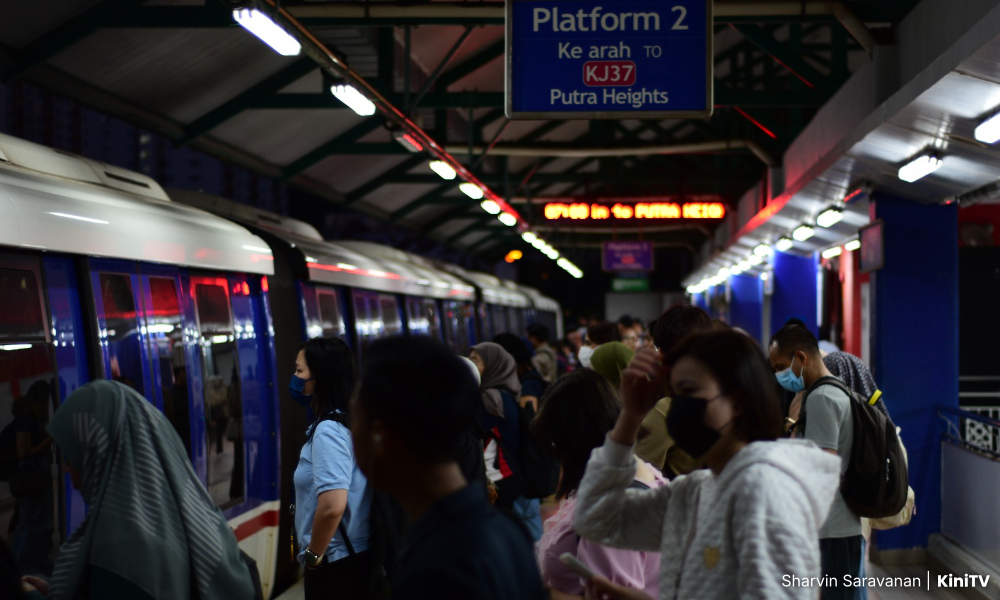
People who have improved their health or discovered new corners of their city after walking more deserve to be highlighted, too.
Cities can learn from the car advertising industry, which sells a fantasy of driving freely on open roads, while the real daily grind is turning into a glorified prison on four wheels.
In conclusion, our traffic jams are getting worse every year, and it’s time for urgent action, especially with the oil crisis. Rather than a single “magic bullet”, we need to combine several measures to solve this deep-seated physical and cultural problem.
Let’s instead look forward to thriving, liveable cities, as our transport systems move from third world to first world. - Mkini
ANDREW SIA is a veteran journalist who likes teh tarik khau kurang manis. You are welcome to give him ideas to brew at tehtarik@gmail.com.
The views expressed here are those of the author/contributor and do not necessarily represent the views of MMKtT.

No comments:
Post a Comment
Note: Only a member of this blog may post a comment.