


KINIGUIDE | The “corporate mafia” scandal burst into the spotlight after a Bloomberg report on Feb 12 commanded national attention.
Details of the accusations spawned by the report spanned both the corporate and political sectors, with claims of collusion between business figures and enforcement agencies, and allegations that national security assets were being leveraged for personal gain.
Malaysiakini explores the allegations, the parties accused of involvement, and the reactions to the controversy.
What is the ‘corporate mafia’?
Bloomberg’s report alleged that senior MACC officers had colluded with private individuals to stage corporate takeover of rivals, with the clandestine group dubbed the “corporate mafia”.
The report, which quoted commission insiders, detailed a tactic in which a select group of businesspersons would target a company, then file MACC complaints against it.
MACC would then investigate the company’s founders, exerting pressure that enabled the complainants to gain control of the firm.
Eyewitnesses, including MACC insiders, claimed that some businesspeople from the “corporate mafia” or their representatives were even present at the commission’s offices when their competitors were brought in for questioning.
This could take the form of officers suggesting that company executives sell their shares to the group at a lower price.
A more specific example Bloomberg provided was MMAG Holdings Berhad’s attempt to take over MJet Sdn Bhd from executives Gunasekar Mariappan and Philip Phang.
The report also alleged that MACC chief commissioner Azam Baki was aware of such activities and had acted in support of those perpetrating them.
What was the MACC’s reaction?
The MACC denied the claim, saying it was a “baseless recycled issue” that was deliberately revived as part of a smear campaign against the commission.
“MACC is of the view that these accusations constitute an attempt to discredit the commission’s investigations and enforcement actions within the corporate sector, especially against parties who may be affected by ongoing legal proceedings,” it said.
It said the matter is under police investigation, adding that it would extend its full cooperation to ensure that the facts and truth are established in accordance with the law.
Later, on March 25, Azam reminded his officers to remain steadfast against criticism, negative perception, and slander, as there will always be those who are “uncomfortable” with their firmness in enforcing the law.
How did political leaders react?
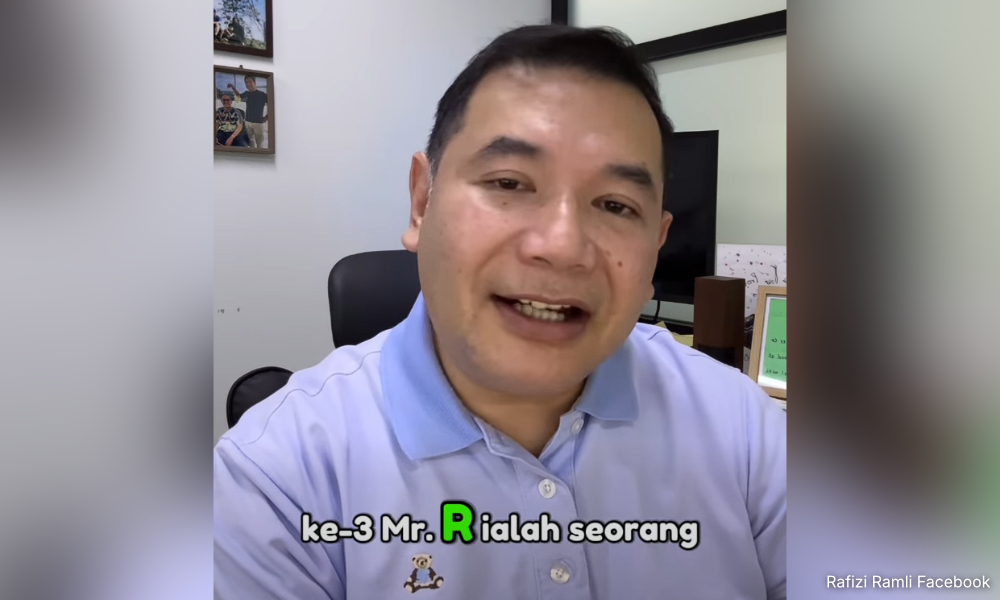
The issue caught the attention of Pandan MP Rafizi Ramli, who became one of the earliest leaders to question how the group of businesspeople could infiltrate the MACC.
The former economy minister, a staunch critic of Azam, asked how individuals linked to crime can cooperate with MACC officers, as revealed by Bloomberg.
Aside from Rafizi, politicians from both sides of the divide have urged the formation of a royal commission of inquiry (RCI) to investigate the allegations.
DAP also tried to persuade the cabinet to establish an RCI, but failed to garner the necessary support.
What was the SC’s response?
Securities Commission (SC) chairperson Faiz Azmi refused to reveal whether his agency will be investigating the “corporate mafia”.
When pressed by the media, Faiz claimed he’ll go to jail if he says anything.
“Are you aware of Section 148 (of the Securities Commission Act)? Section 148 says you go to jail if you discuss any investigations that are still ongoing. So, do you really want me to go to jail?” he was quoted as saying by The Edge.
How did the Madani cabinet react?
Government spokesperson Fahmi Fadzil said the cabinet had ordered law enforcement agencies - including the police, Inland Revenue Board, the MACC, and SC - to investigate allegations of “corporate manipulation”.
He said investigations will examine whether loopholes in existing laws enable corporate manipulation, adding that funds allegedly linked to criminal elements will be seized.
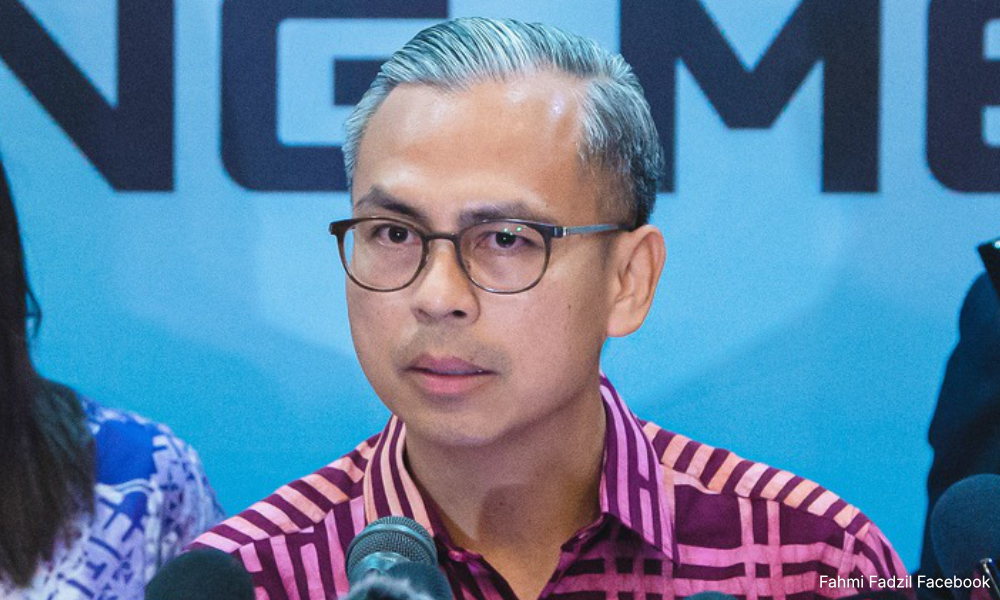
Fahmi also said that several individuals have already been on the agencies’ radar for several years.
What was the police’s reaction?
The Bukit Aman federal police headquarters opened two investigation papers on the matter under the Anti-Money Laundering, Anti-Terrorism Financing and Proceeds of Unlawful Activities Act (Amla) 2001 after a police report was filed.
The investigation also prompted authorities to raid the premises of businessperson Victor Chin, alleged to be linked to the case.
Among the items seized were two cars, luxury watches, jewellery, cash in ringgit and several foreign currencies, as well as documents believed to be related to the investigation.
Who are those in the ‘corporate mafia’?
Bloomberg had named Chin as a member of the group - allegations which the investor denied.
He questioned the raid on his premises, adding that he had been cooperating with the police since December, before Bloomberg’s report.
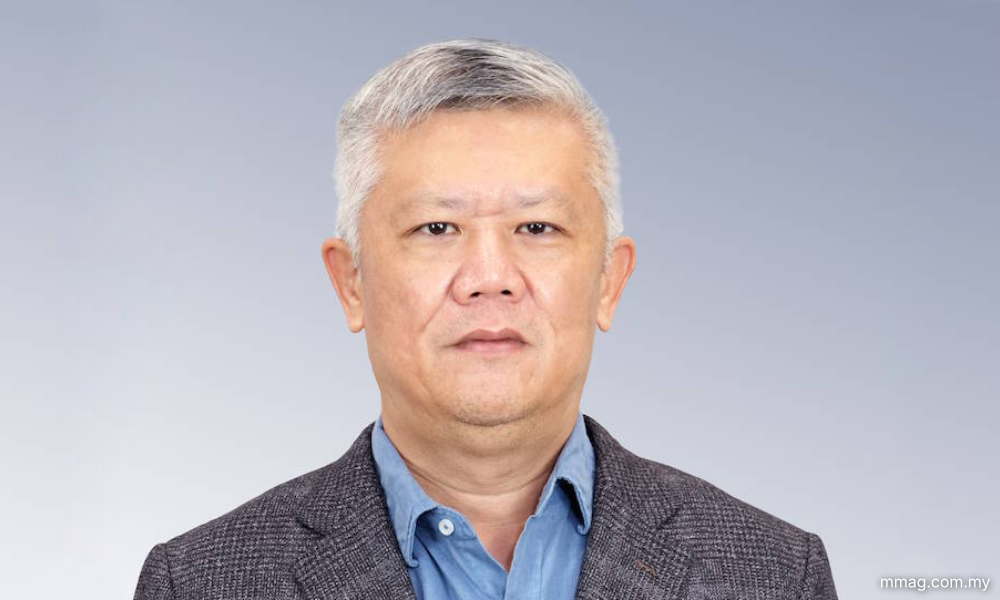
Chin, along with nine others, had been detained in December last year on suspicion of involvement in money laundering activities under Ops Viking.
Bukit Aman’s Amla investigation unit chief, Fazlisyam Abd Majid, said Chin was released on police bail but may be recalled if necessary.
Fazlisyam said the investigation, initiated on Oct 14 last year, was based on intelligence indicating money laundering activities dating back to 2018.
However, Chin said that any investigations into the money laundering allegations must cover the “roles and conduct” of the MACC and police, adding that he supports calls for an RCI.
He also argued that he has been victimised and “cornered by the mafia”, which he claimed has leveraged on government agencies.
Questioning why investigations are focused on him instead of those who deserve scrutiny, he further warned that he will not “remain silent” should pressure continue to escalate against him and his family.
Are there other corporate figures involved?
The name of Prime Minister Anwar Ibrahim’s former political secretary, Farhash Wafa Salvador Rizal Mubarak, has also been linked to the “corporate mafia”.
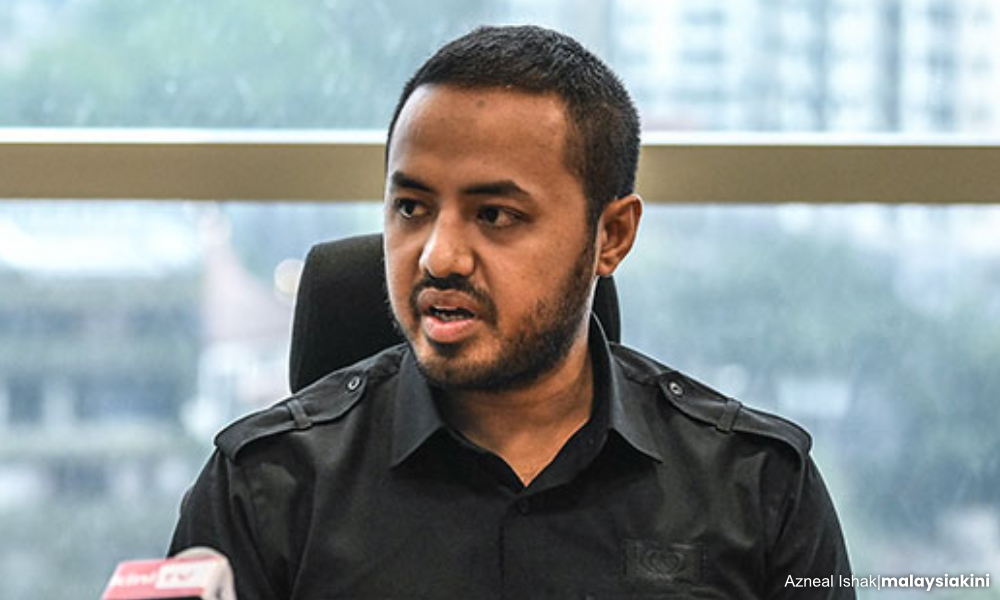
Channel News Asia reported that Farhash, now a businessperson, had allegedly attempted to “take control” of NexG Berhad, which holds billions in government contracts.
The report also claimed that Anwar “ordered” Farhash to cease attempts to take over NexG, a key technology and security solutions company for Putrajaya.
Farhash denied the allegations and issued a letter of demand against CNA.
What is Chin’s connection to NexG?
Chin claimed that he had been made into a “scapegoat” when it came to NexG, which was awarded government contracts to supply MyKads and passports.
He said he was initially tasked with formulating the company’s strategic direction and positioning it for long-term growth.

“In my view, there were attempts to hijack the company and its strategic direction, which created significant corporate tensions and manoeuvring around the company.
“It was after these developments that a series of allegations, investigations, and enforcement actions began to emerge, placing immense pressure not only on my family and me, but also on other shareholders and parties connected to the company.
“Instead of recognising the work done to stabilise and transform the company, I found myself subjected to relentless pressure and scrutiny, effectively being tortured by the continuous accusations and actions directed at me,” he said.
Unfortunately, he said, the public narrative surrounding the company centred on Chin’s involvement with the “corporate mafia” instead of NexG’s general issues.
In the case of MMAG Holdings, Chin stressed that the MACC had charged the company’s former director.
Who else is involved?
On March 24, Chin accused a PKR MP of taking RM9.5 million from him to help resolve the “corporate mafia” scandal, threatening to expose the lawmaker’s identity if the money was not returned by March 30.
In a 40-page document detailing the chronology of events, Chin said that the unnamed member of Parliament asked him to arrange RM10 million in cash to resolve his problem by speaking to the “corporate mafia gang”.
“I managed to arrange RM9.5 million initially, but the remaining RM500,000 was never passed to him, as this MP did not resolve the matter. None of the money was ever passed to the corporate mafia gang,” he said.
Following Chin’s claims, Human Resources Minister R Ramanan held a press conference to deny involvement in the matter, insisting that he does not know and has never met Chin.
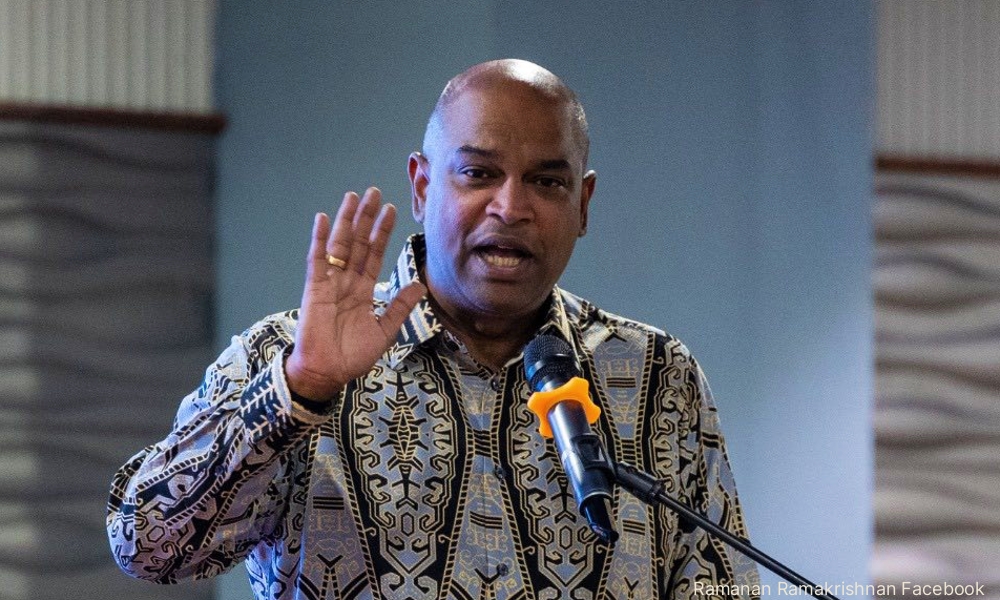
As of March 31, after Chin’s deadline for the PKR MP to return the money, the businessperson remained silent on the lawmaker’s identity.
This has sparked speculation that the matter may have been resolved, possibly through a full refund to Chin.
Chin’s chronology also touched on a person nicknamed “Mr R”, an intermediary who allegedly worked closely with the “corporate mafia”.
Chin claimed that amid repeated demands to “deliver shares” following instructions from Mr R and the “corporate mafia,” he had frequent urgent contact with Mr R while the gang allegedly exerted pressure on NexG.
Rafizi later revealed Mr R’s identity, claiming that the man reported to Anwar’s former aide, Farhash.
The former PKR deputy president also claimed that Mr R is linked to NexG and HeiTech Padu Berhad, a company involved with the development and deployment of the National Integrated Immigration System (NIISe).
What was the corporate mafia’s impact?
The controversy arrived amid intensifying scrutiny against Azam, whose tenure as the MACC chief was extended three times by Anwar.
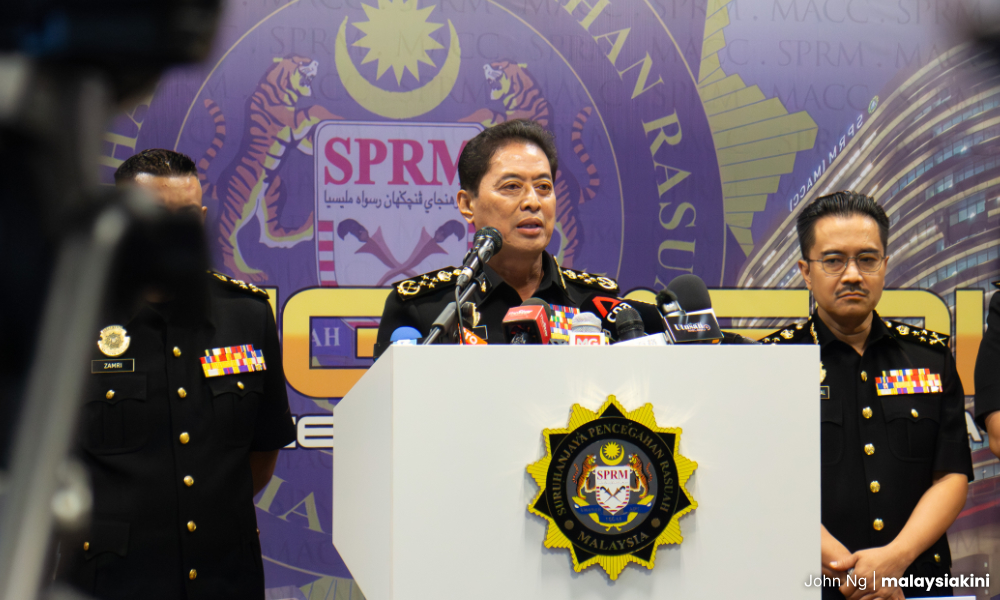
Before the scandal, Bloomberg and Malaysiakini separately reported that Azam owned significant shares in two companies, far exceeding civil service limits.
Following the allegations, anonymous high-level sources told The Straits Times that Azam’s contract will not be extended when it ends on May 12.
Besides Azam, serious concerns were raised over the MACC’s integrity in combating corruption as the allegations called its independence and transparency into question.
Critics further cited the allegations as evidence of a coordinated conspiracy to seize control of highly profitable companies, which also had potential national security risks.
This led to Rafizi urging NexG to be placed under the government’s control due to the company’s management of sensitive national security assets.
He said the responsibilities entrusted to the company are too critical to be left in private hands and, therefore, vulnerable to manipulation. - Mkini

No comments:
Post a Comment
Note: Only a member of this blog may post a comment.