


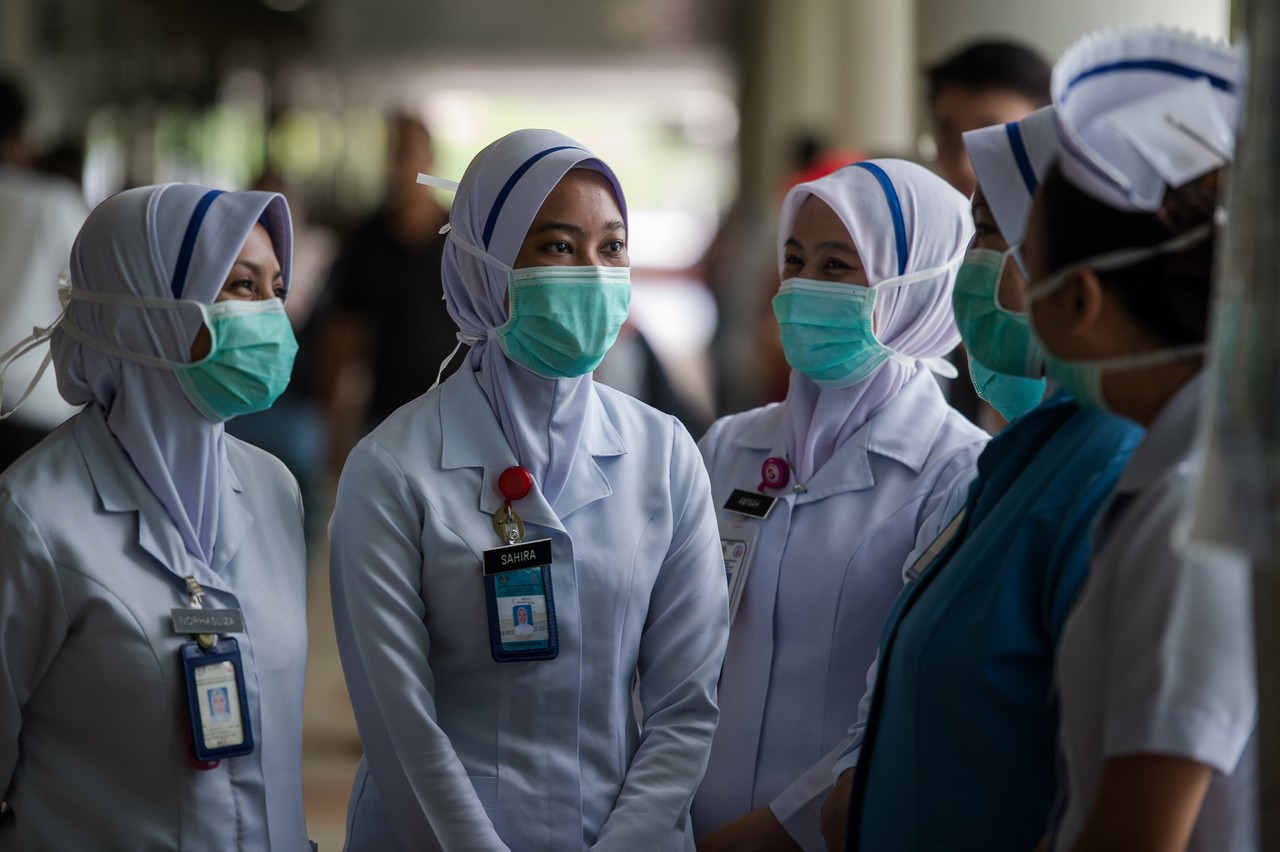
SARAWAK rights activist Peter John Jaban has criticised a reported proposal to recruit 15,000 Indonesian nurses to address staffing shortages in Malaysia’s healthcare system, arguing that the move fails to address the root causes of the country’s nursing workforce challenges.
Peter said Malaysia’s healthcare sector was facing a retention crisis rather than a shortage of trained personnel, pointing to the migration of local nurses to higher-paying positions overseas.
“Malaysia does not suffer from a shortage of talent. We suffer from a shortage of political will to address the factors driving nurses away from the public healthcare system,” he said in a statement.
According to Peter, many Malaysian nurses are leaving for opportunities in countries such as Singapore and those in the Middle East due to significantly higher salaries and better working conditions.
He argued that recruiting foreign nurses would only provide a temporary solution if underlying issues such as wages, workload and career prospects remained unresolved.
“Importing nurses may help fill vacancies in the short term, but it does not address why trained Malaysian nurses are choosing to work elsewhere,” he stressed.
Peter also questioned whether the recruitment of foreign nurses would benefit underserved areas in East Malaysia, particularly rural communities in Sarawak.
He said staffing shortages in districts such as Kapit, Baram and Lawas required long-term workforce planning and investment rather than temporary measures.
“Rural healthcare challenges in Sarawak cannot be solved solely through recruitment exercises. We need sustainable policies that encourage local healthcare professionals to serve and remain in these communities,” he elaborated.
Peter further called for greater healthcare autonomy for Sarawak, arguing that the state should be given more authority to manage healthcare resources and workforce planning if federal efforts prove insufficient.
He also proposed the introduction of additional incentives and allowances for nurses working in high-pressure public hospitals and rural healthcare facilities.
Among his recommendations were a review of nurse retention policies, enhanced incentives for local healthcare workers, and a reassessment of plans to recruit foreign nurses until a comprehensive study on workforce retention is completed.
“If Malaysian nurses are valued by healthcare systems abroad, we should ensure they are equally valued and adequately rewarded at home,” he said.
The Health Ministry (MOH) has previously acknowledged staffing challenges within the public healthcare system and has explored various measures to address workforce shortages, including recruitment and retention initiatives.
On Wednesday (June 10), NST reported Indonesian Ambassador to Malaysia Datuk Raden Mohammad Iman Hascarya Kusumo as saying that Indonesia is prepared to supply up to 15,000 nurses to Malaysia to help address a critical shortage of healthcare workers.
The envoy said Indonesia currently produces about 65,000 nurses annually, providing sufficient manpower to meet Malaysia’s needs.
MOH is currently facing a shortage of nearly 15,000 nurses, with a vacancy rate of about 18% driven by migration, workload pressures and an ageing population. ‒ Focus Malaysia

No comments:
Post a Comment
Note: Only a member of this blog may post a comment.